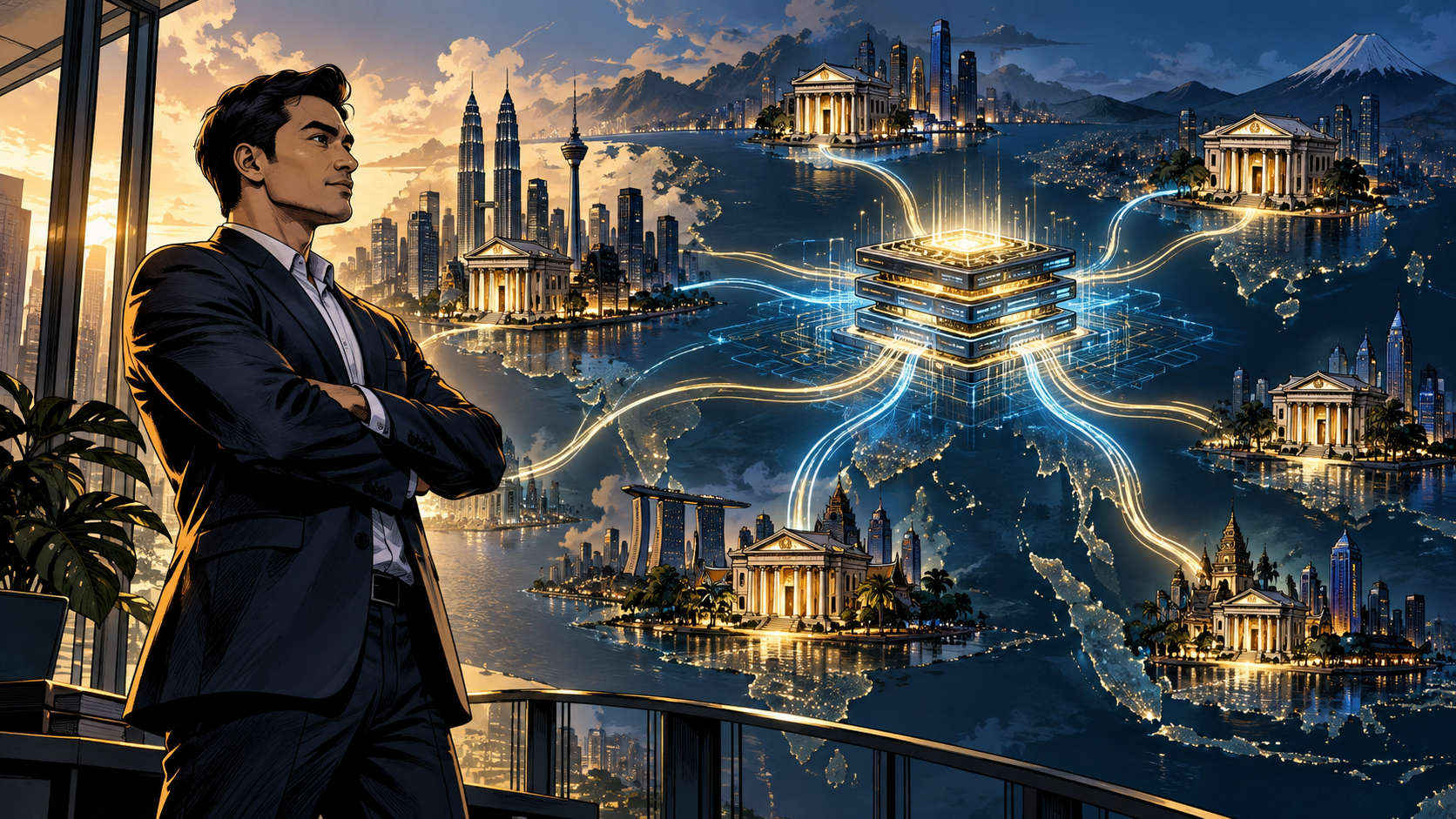
Ren Zhengfei: Huawei's Survival Strategy Under Relentless Global Pressure
Ren Zhengfei built Huawei into a telecom giant, but his defining achievement may be how the company learned to survive when geopolitics, sanctions, and supply-chain pressure all hit at once.

View all stories about this mogul
Ren Zhengfei did not build Huawei into a global force by assuming the world would stay open. He built it as if strategic dependence would eventually become a liability. That instinct became far more important than outsiders first realized. For years, Huawei could be read as a classic scale story: strong engineering, aggressive telecom expansion, low-cost execution, and relentless ambition. Then geopolitics hardened, sanctions hit, and the real nature of the company became clearer.
This is why Ren belongs in Empires. Huawei was never just a business. It was an industrial system designed to compete in infrastructure, devices, software, and national capability all at once. When pressure intensified, the question stopped being whether Huawei could grow faster than rivals. The question became whether it could keep functioning at all.
Ren’s answer was not panic. It was adaptation.
Chapter 1: He Built Huawei From Scarcity, Not Comfort
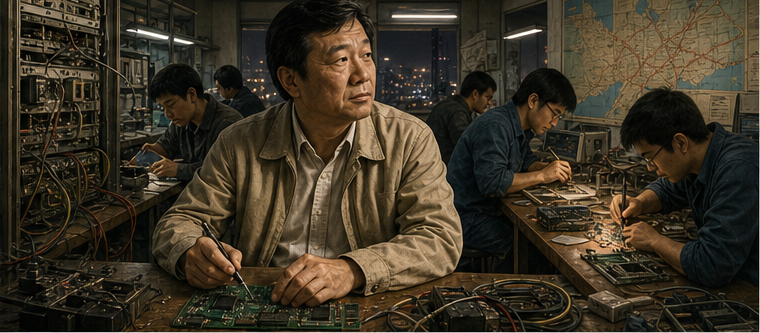
Huawei’s official biography of Ren Zhengfei points out that he founded the company in 1987 with just CNY21,000 in capital. That matters because firms born under constraint often develop a different strategic metabolism. They do not assume abundance. They assume every layer of capability must eventually justify itself.
Ren’s background is often summarized through his engineering training and early military-linked experience, but the more important point is psychological. He came from a generation that saw technology, industry, and national development as existential projects, not merely market opportunities. Huawei therefore did not begin as a lifestyle startup or a narrow consumer brand. It began as a capability machine.
That machine would become enormous, but it kept some of the survival reflexes of a smaller company for a very long time.
Chapter 2: Huawei Was Built as Infrastructure First, Glamour Later
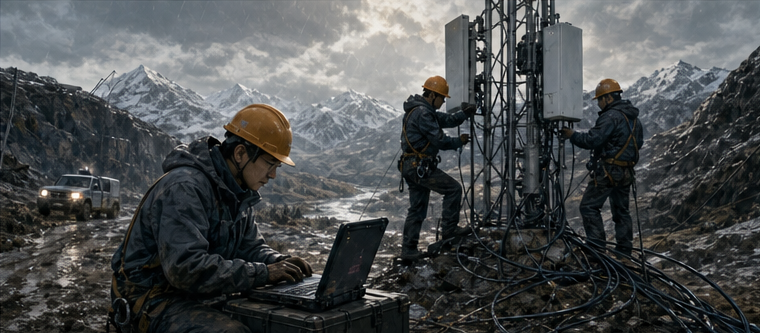
Many global tech stories are told through glossy consumer devices. Huawei’s real power base came earlier and deeper than that. The company built telecom equipment, carrier relationships, and large-scale engineering credibility before its consumer electronics business became globally famous.
That distinction matters because infrastructure businesses shape dependence differently. If you become important to the physical and digital wiring of communications, you stop being a mere brand and start becoming a strategic concern. Governments notice. Rivals notice. Allies notice. The company is no longer competing only on product quality or price. It is competing on trust, sovereignty, and leverage.
Ren helped build Huawei in exactly that dangerous zone.
Chapter 3: The Empire Logic Was Always Vertical

Huawei’s rise makes more sense when you stop looking at its businesses as isolated categories. Telecom equipment, chips, enterprise systems, consumer devices, operating layers, and software initiatives all fit a larger pattern: reduce dependence, deepen technical competence, and keep as much strategic control in-house as possible.
That kind of vertical ambition is expensive. It can also look excessive in good times. Why push so hard into internal capability when global supply chains are efficient and partnership seems easier?
Because empire logic is not optimized for easy quarters. It is optimized for hard ones. Ren’s worldview appears to have treated dependence not as a permanent efficiency but as a future vulnerability.
Chapter 4: Sanctions Exposed the Difference Between Growth and Durability
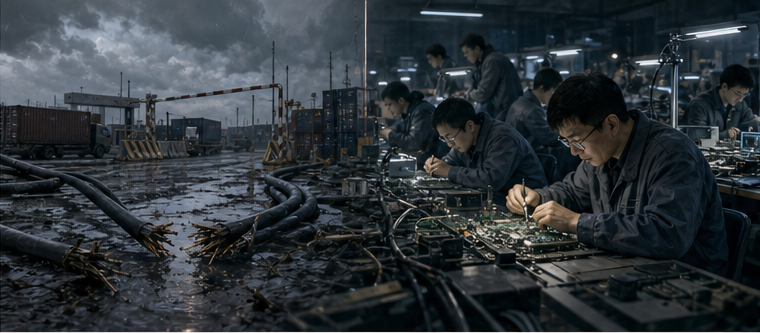
When U.S. restrictions tightened, Huawei’s story changed overnight in the public mind. What had looked like an unstoppable expansion machine suddenly had to answer a brutal question: how much of its strength depended on access controlled by others?
Reuters reported in 2021 that Ren was urging a push into software to counter U.S. sanctions. That detail captures the deeper reality. Huawei was not facing a simple demand slowdown. It was facing a strategic choke point. Access to chips, software ecosystems, and related technical support had become a power struggle rather than a neutral commercial arrangement.
Many firms would have treated that as a devastating external shock. Ren treated it as a systems problem to be worked around.
Chapter 5: Consumer Setbacks Hurt, But the Organization Did Not Collapse

One easy mistake is to reduce Huawei’s sanctions-era story to smartphones alone. The handset blow was highly visible and symbolically important, especially because consumer businesses create global brand recognition. But Huawei was much bigger than its phone line.
That breadth mattered. A narrower company might have cracked under the same pressure. Huawei instead absorbed damage and kept redirecting energy. Enterprise work, telecom systems, software, and adjacent capabilities gave it room to endure while certain businesses became harder to sustain.
That is a classic empire trait: resilience through diversified strategic depth, not through simplicity.
Chapter 6: Ren’s Leadership Style Was More Stoic Than Theatrical
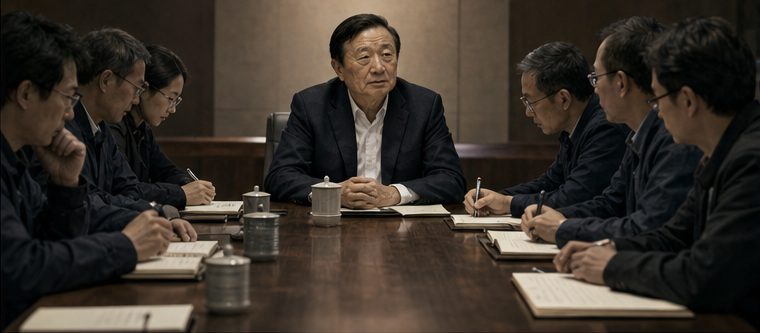
Some moguls turn crisis into performance. Ren generally projects something colder and more institutional. Even in public commentary, the tone tends to feel less like startup evangelism and more like endurance management. That matters inside a pressured organization.
When a company is under persistent external attack, employees start taking emotional cues from leadership. If the top acts shocked, the whole institution can become brittle. If the top acts as though hardship is now the permanent condition, people begin organizing around stamina instead of nostalgia.
Ren’s value in this phase was not just decision-making. It was psychological framing.
Chapter 7: Software Was Not a Side Bet. It Was a Survival Layer

The Reuters reporting on Ren’s software push under sanctions is revealing because it shows how Huawei tried to reallocate strategic weight. Software is not identical to semiconductors, but it can change where leverage sits. If external actors can constrain one layer of your stack, strengthening another layer can preserve room to maneuver.
This is one of the most interesting parts of Huawei’s story. Under pressure, the company was not merely defending legacy lines. It was trying to redesign its operating center of gravity. That is much harder than maintaining momentum in normal times.
It suggests that Ren understood survival not as a pause before business returns to normal, but as a redesign exercise inside a harsher world.
Chapter 8: Geopolitical Pressure Turned Huawei Into a Symbol

Once governments began treating Huawei as more than a commercial actor, the company entered a different historical category. It became a symbol in arguments about technological sovereignty, supply-chain risk, and the relationship between private firms and state power.
That symbolism cut both ways. It increased suspicion abroad, but it also strengthened Huawei’s significance within broader Chinese industrial narratives. A company under strategic pressure can lose market access while gaining mythic importance.
Ren therefore had to manage two realities simultaneously: the operational reality of lost access and the symbolic reality of representing technological endurance under pressure.
Chapter 9: Survival Can Be More Revealing Than Expansion
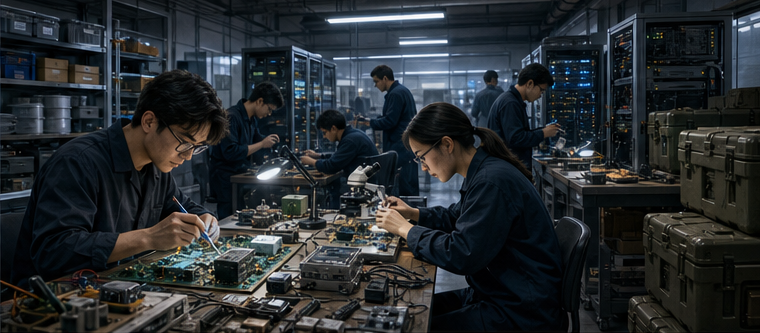
A lot of mogul profiles focus on the years when everything compounds. Those are often the least revealing years. Expansion can flatter almost any narrative. Survival reveals architecture.
Huawei’s sanctions-era persistence showed that the company had been built with more institutional depth than many outsiders assumed. It also showed the limits of even a very strong private empire once it collides with state-level conflict. Ren’s achievement was not that he escaped those limits. It was that he kept the organization adaptive inside them.
That is a narrower form of greatness than total victory, but often a more credible one.
Chapter 10: Ren Zhengfei’s Legacy Is About Institutional Endurance
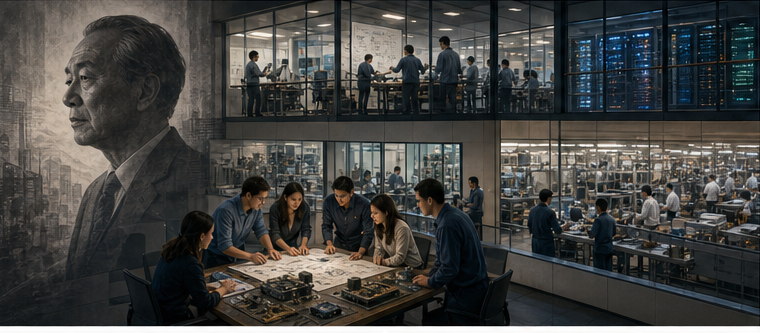
Ren Zhengfei matters because he built one of the clearest examples of a modern technology empire that had to prove itself under sustained geopolitical stress. Plenty of executives can manage scale in a favorable market. Far fewer can preserve strategic coherence when supply chains, diplomacy, software access, and public legitimacy all become battlefields at once.
That is why his story belongs here. He built Huawei into a giant, yes. But his defining test was not simple empire creation. It was empire preservation under siege.
Ren did not make pressure disappear. He made Huawei harder to kill. In the history of moguls, that is a serious kind of power.
💡 Key Insights
- ▸ Ren Zhengfei's real advantage was not charisma in the Western founder sense. It was building an organization willing to trade comfort for endurance over very long cycles.
- ▸ Huawei's survival story is less about one miracle product than about institutional stamina: vertical ambition, disciplined reinvestment, and a culture that assumes pressure is permanent.
- ▸ Ren became most revealing as a mogul when growth stopped being the only question and resilience became the whole game.