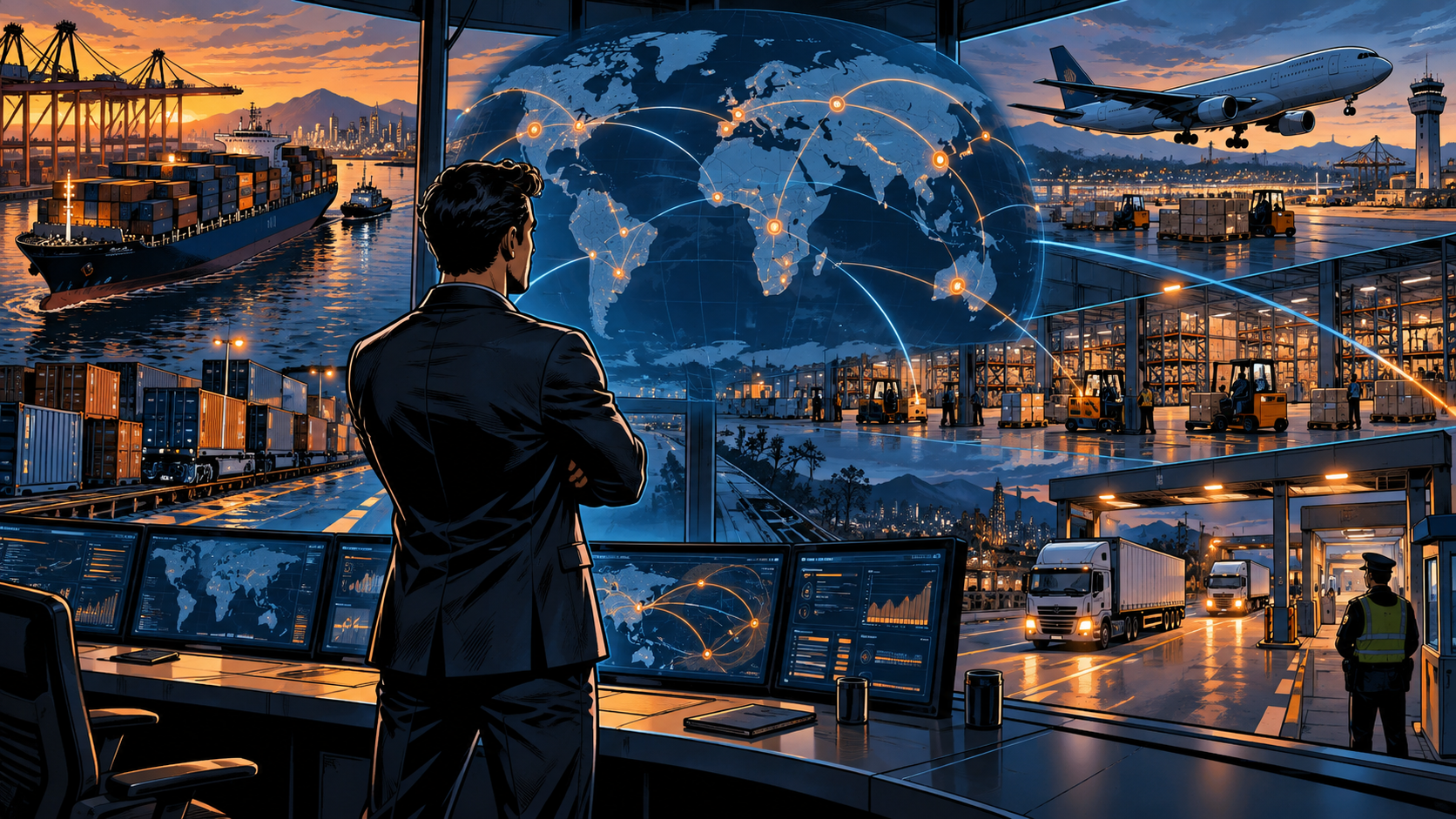
Jeff Bezos: How a Wall Street Quant Built the Everything Store and Reshaped Modern Life
He quit the most lucrative hedge fund on Wall Street, drove cross-country with a business plan typed on a laptop, and started selling books out of a garage. Three decades later, Jeff Bezos had built the most dominant company on Earth — and launched himself into space.
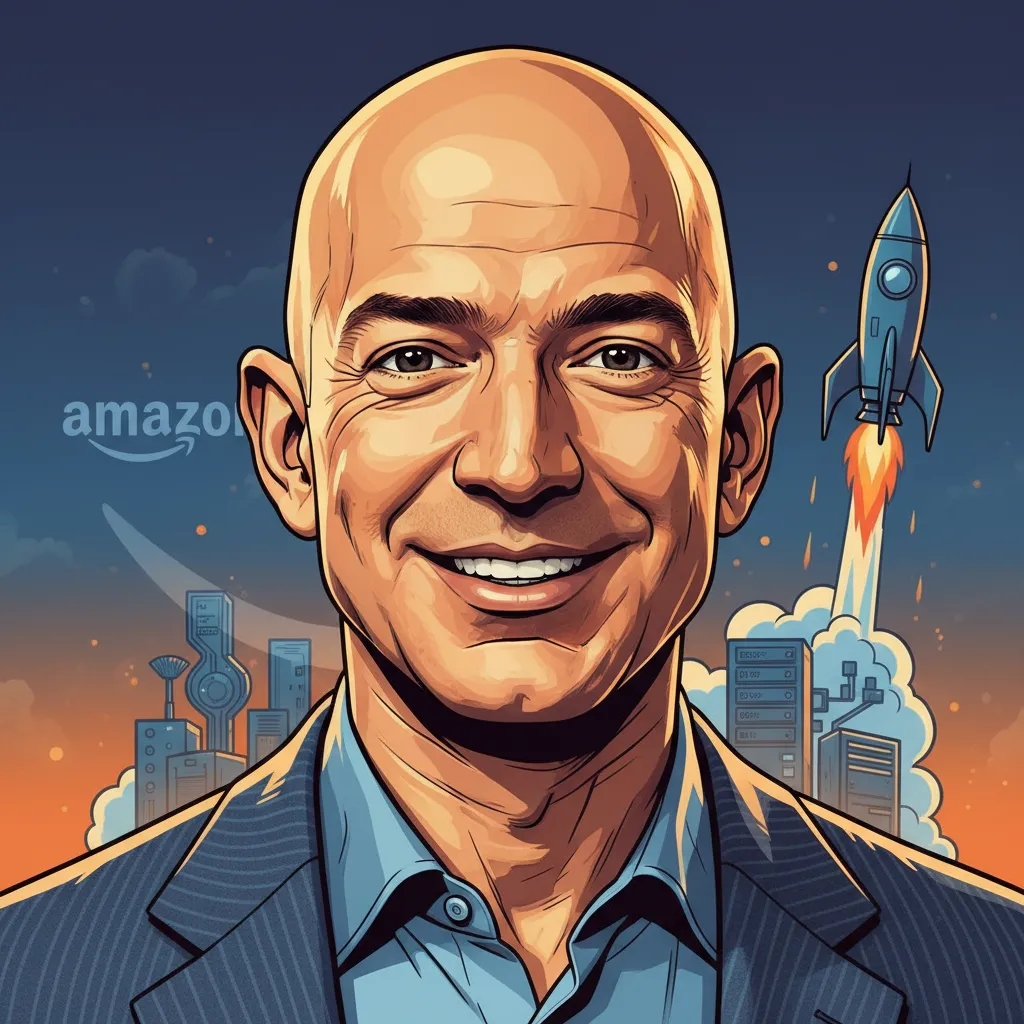
View all stories about this mogul
In 2018, Amazon warehouse workers were reportedly urinating in bottles because they were too pressed by algorithmically enforced rate targets to take bathroom breaks, according to multiple news investigations by The Verge, Vice, and the New York Times. That same year, their boss became the richest human being who has ever lived. If you want to understand the twenty-first century — the glory and the grotesqueness of it — you could do worse than study Jeff Bezos.
This is a guy who started selling books out of his garage in 1994 and built a company so dominant that you probably can’t go a single day without using it. He didn’t invent online shopping. He didn’t invent cloud computing. He didn’t invent same-day delivery. What he did was stitch all of those things into a single machine so vast and self-reinforcing that, once it got spinning, nothing on Earth could stop it.
This is the story of how he did it — what it took, who it crushed, and what it says about the world we live in now.
🌱 Chapter 1: Albuquerque — A Gifted Kid With a Screwdriver (1964–1982)
Jeffrey Preston Jorgensen was born on January 12, 1964, in Albuquerque, New Mexico, to a seventeen-year-old mother. His biological father, Ted Jorgensen, was a bike shop owner and part-time circus performer who basically vanished from Jeff’s life. Decades later, a journalist tracked Jorgensen down. He had no idea his son had become Jeff Bezos. Let that sink in — one of the most famous people on the planet, and his own father didn’t know.
When Jeff was four, his mother married Miguel “Mike” Bezos, a Cuban immigrant who had arrived in America at sixteen as part of Operation Pedro Pan — a program that airlifted over 14,000 unaccompanied Cuban children to the U.S. between 1960 and 1962. Mike showed up in Miami alone, barely speaking English, got placed in a group home, worked his way through college, became a petroleum engineer at Exxon, and adopted Jeff as his own son. Jeff has always considered Mike his real father. Honestly, what a story that is on its own.
The Garage Inventor
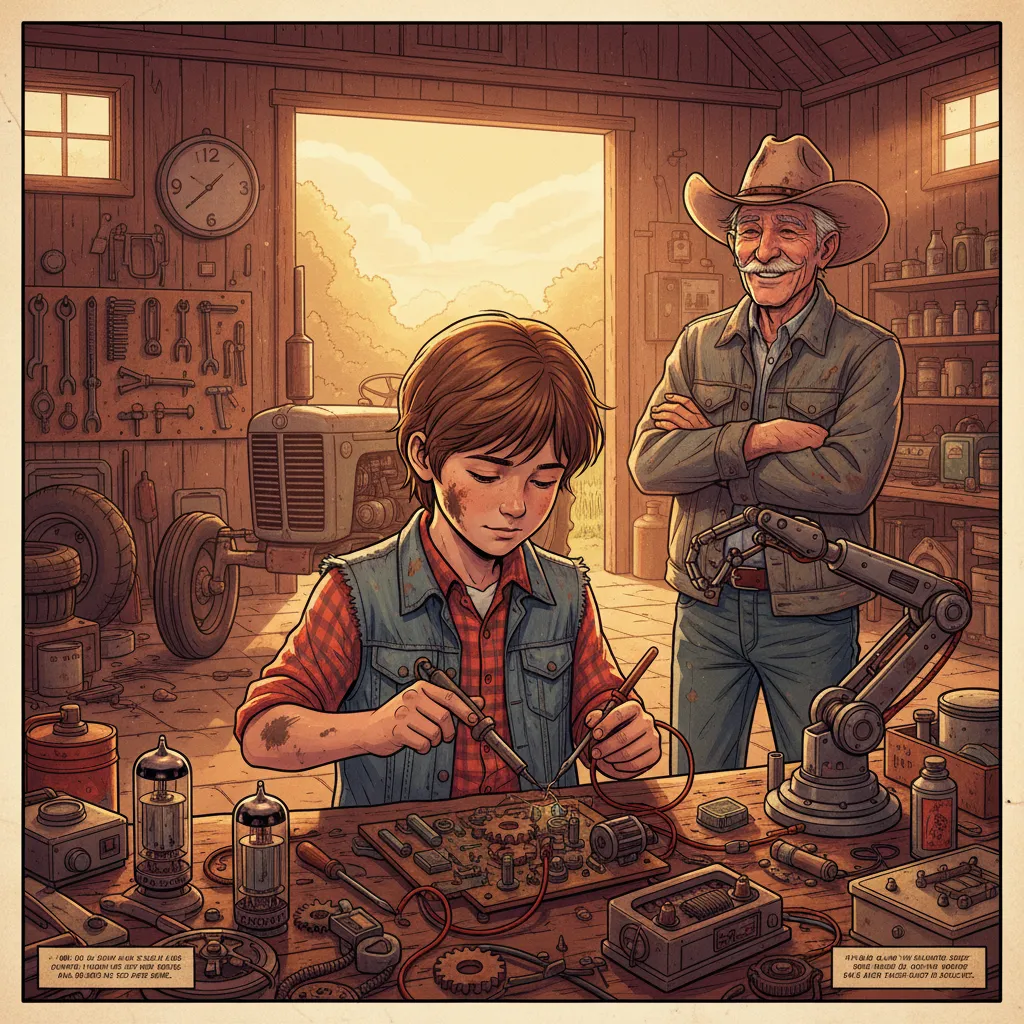
From the jump, this kid was wired differently. He rigged an electric alarm to his bedroom door to keep his younger siblings out. He dismantled his own crib with a screwdriver because he decided he wanted a real bed. He was a toddler. His mother later said he was “always tinkering — always taking things apart to see how they worked.”
His maternal grandfather, Lawrence Preston Gise — “Pop” — was a retired regional director of the U.S. Atomic Energy Commission who owned a sprawling cattle ranch in Cotulla, Texas. Jeff spent every summer there from age four to sixteen. On that ranch, Pop taught Jeff to fix windmills, castrate bulls, lay pipe, and repair broken-down tractors. There was no calling a repairman. You figured it out or it stayed broken.
That self-reliance, forged on a cattle ranch in south Texas, became the DNA of the company he’d eventually build. Amazon’s whole culture of “bias for action” — the idea that you solve problems yourself instead of waiting for someone else — traces straight back to those summers in Cotulla.
The Valedictorian
Jeff’s family moved to Miami when he was a teenager, and he tore through Palmetto Senior High School like a comet. Valedictorian. Silver Knight Award winner — one of the most prestigious academic honors in South Florida. And his valedictory speech? It wasn’t about following your dreams or being kind to one another. It was about colonizing space — building massive orbiting space stations where millions of people could live and work. He was eighteen years old, and he was already thinking about getting humanity off this planet.

The broad strokes of his entire worldview were already visible at eighteen: technology as a lever for expanding human capability, space as humanity’s next frontier, and an almost unsettling confidence that one sufficiently determined person could bend reality.
“When you are eighty years old, and in a quiet moment of reflection narrating for only yourself the most personal version of your life story, the telling that will be most compact and meaningful will be the series of choices you have made.” — Jeff Bezos
🎓 Chapter 2: Princeton and the Quant Factory (1982–1994)

Bezos arrived at Princeton in 1982 planning to become a theoretical physicist. That dream lasted about two semesters. When he encountered classmates who were simply, undeniably more gifted at abstract physics than he was — particularly a Sri Lankan student named Yasantha — Bezos did something that tells you everything about him. He didn’t grind harder. He didn’t lie to himself. He switched to computer science and electrical engineering.
Think about that for a second. Most ambitious people would have dug in, refused to accept they weren’t the best, and wasted years proving themselves. Bezos looked at the situation, realized he wasn’t going to be the best physicist in the room, and pivoted to where he could win. Relentless ambition paired with ruthless honesty about his own limitations. That combination is rare, and it’s arguably his superpower.
He graduated summa cum laude and Phi Beta Kappa in 1986.
D.E. Shaw: The Most Important Job He Ever Had
After Princeton, Bezos bounced through several Wall Street gigs — Fitel (a fintech startup), Bankers Trust — before landing at D.E. Shaw & Co., one of the most secretive and brilliant quantitative hedge funds in the world.
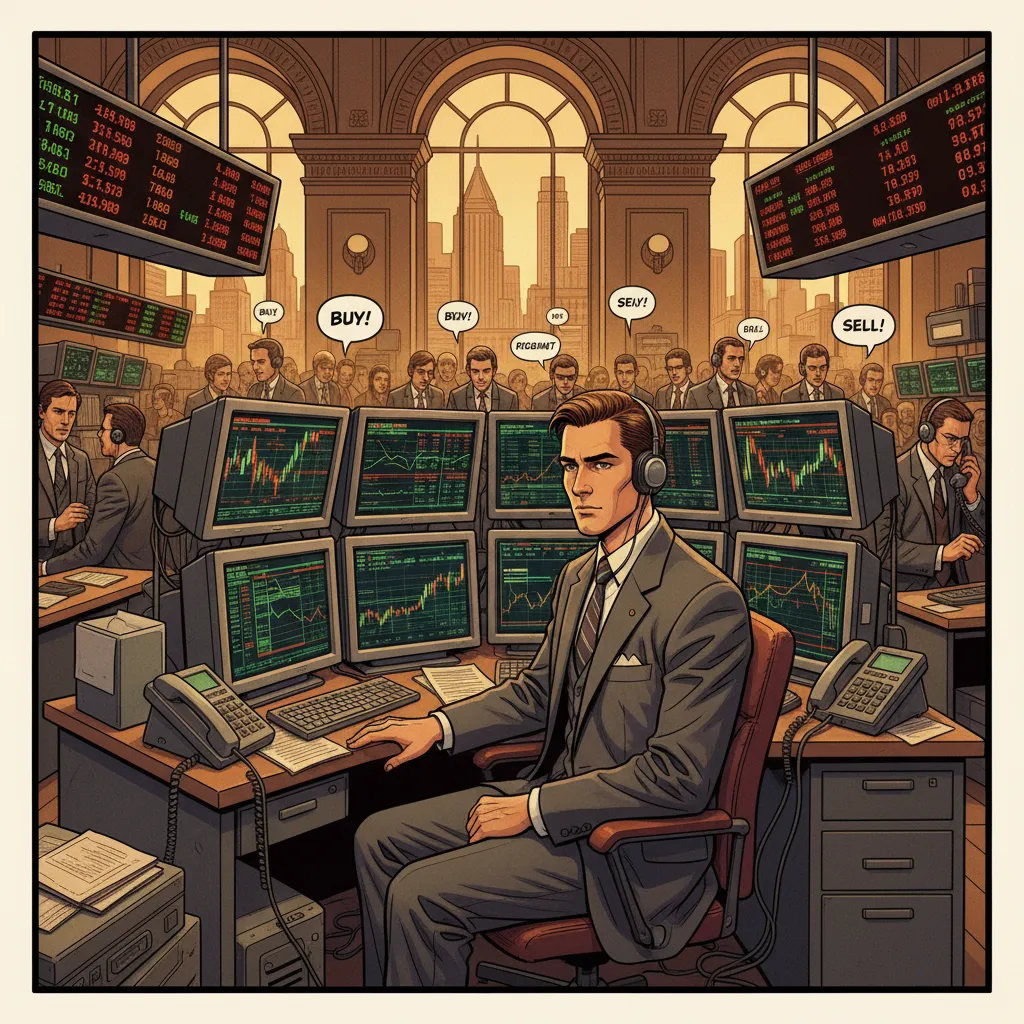
D.E. Shaw was not a normal hedge fund. Founded by computer scientist David Shaw, it used algorithms and computational models to exploit market inefficiencies while most of Wall Street was still doing trades by shouting on exchange floors. The firm hired physicists, mathematicians, and computer scientists instead of finance bros. Bezos fit like a glove.
By 1990, at twenty-six, he became D.E. Shaw’s youngest-ever senior vice president. He was pulling in well into the hundreds of thousands a year, on a trajectory toward millions. He was comfortable. He was respected. He was, by every normal measure, completely set for life.
The Number That Changed Everything
Then, in the spring of 1994, Bezos stumbled across a statistic that lit his brain on fire: web usage was growing at 2,300% per year.
He read it again. Two thousand three hundred percent. Nothing — not railroads, not television, not the telephone — had ever grown that fast. Bezos understood instantly that anything on that trajectory was a once-in-a-civilization opportunity. The kind of moment where the people who move fast get rich and the people who hesitate write case studies about it later.
He started researching what products could be sold online. Made a list of twenty categories: CDs, computer hardware, clothing, software, and others. Books shot to the top for one beautiful, elegant reason: there were over three million individual book titles in print — more than any other product category on Earth. No physical bookstore could stock more than a tiny fraction. But an online store, with no shelf space constraints, could offer every book ever published.
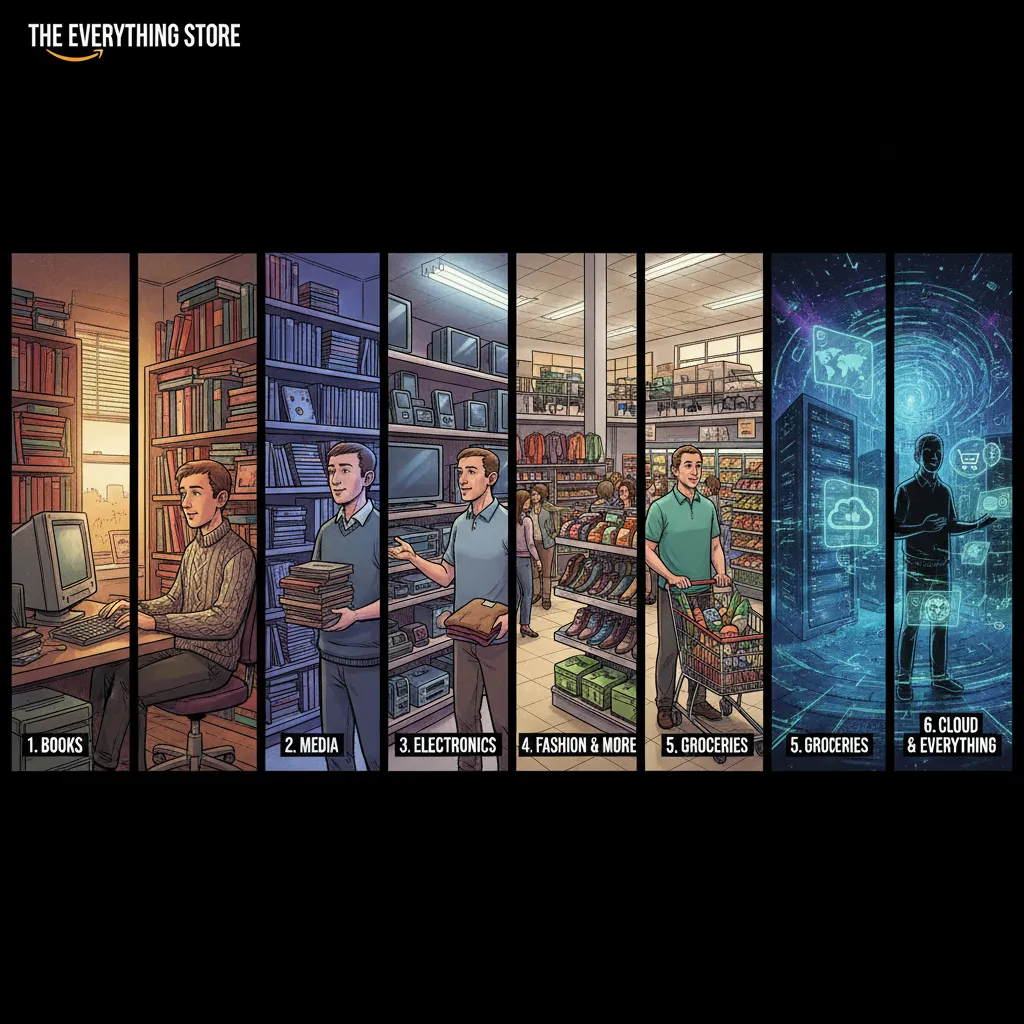
The idea snapped into focus: an online bookstore with unlimited selection, killer prices, and the convenience of shopping in your underwear at 2 a.m.
One problem. He had to quit the best job he’d ever had to do it.
The Regret Minimization Framework
Bezos went to David Shaw and told him he was thinking about leaving to sell books on the internet. Shaw — a genuinely brilliant guy who understood the internet better than most people on the planet — told him it was actually a really good idea. But, he added, it was a better idea for someone who didn’t already have a great job. He told Bezos to take two days to think it over.
Bezos took a walk through Central Park with his wife, MacKenzie. And on that walk, he came up with what he’d later call the “regret minimization framework.”
Dead simple. He imagined himself at eighty years old. Would eighty-year-old Jeff regret leaving a cushy Wall Street job to chase this internet thing? Nah. Would eighty-year-old Jeff regret not trying — sitting on the sidelines while the internet reshaped the world because he was too comfortable? Absolutely. That answer would haunt him forever.
“I knew that when I was eighty, I was not going to regret having tried this. I was not going to regret trying to participate in this thing called the internet that I thought was going to be a really big deal. I knew that if I failed, I wouldn’t regret that. But I knew the one thing I might regret is not ever having tried.” — Jeff Bezos
He quit the next week.
📦 Chapter 3: The Garage — Building the Everything Store (1994–1997)
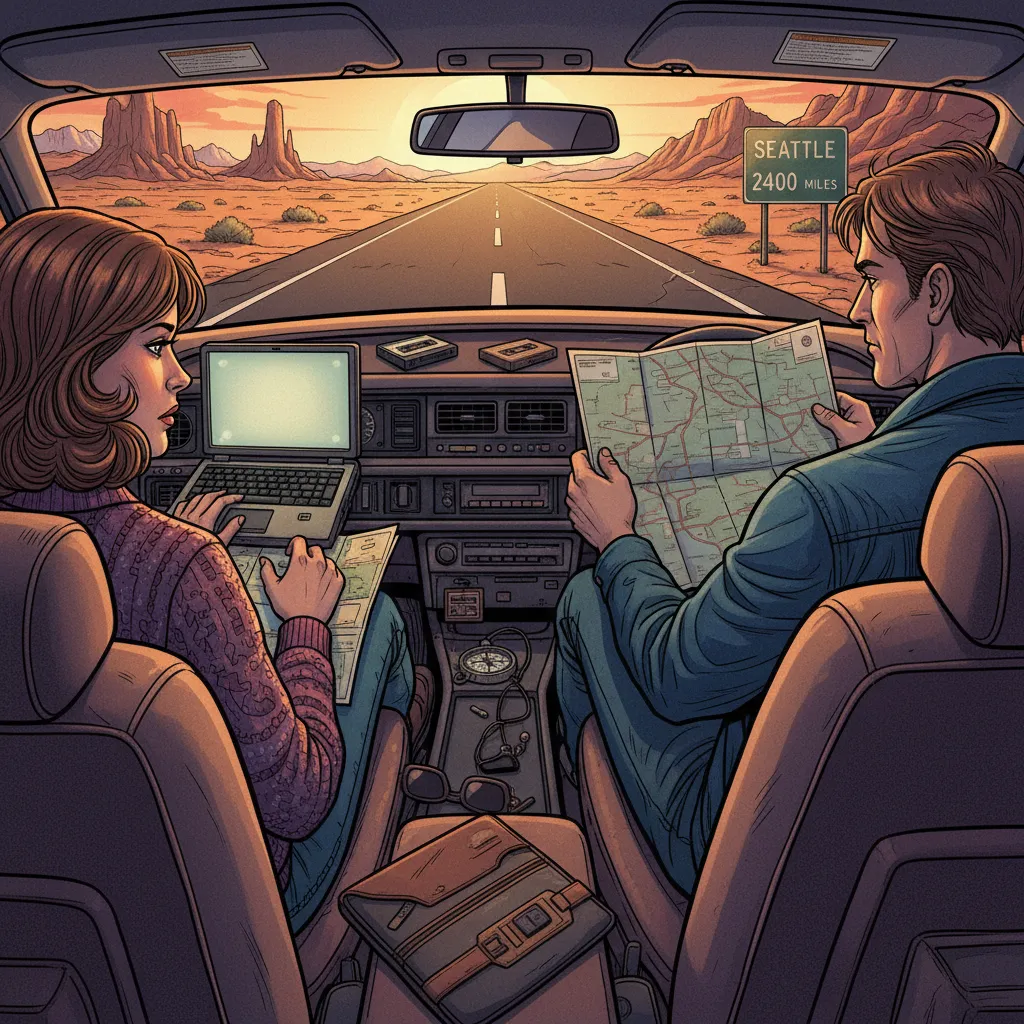
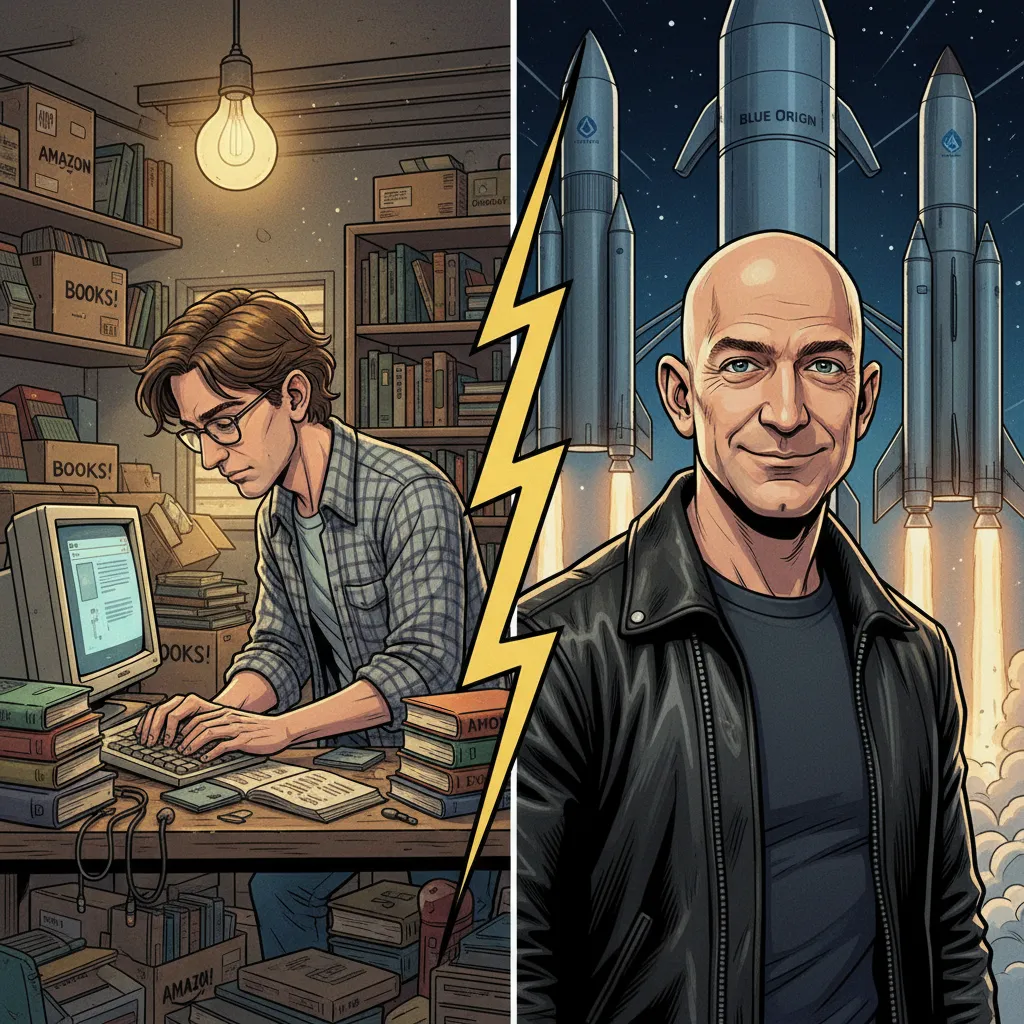
In the summer of 1994, Jeff and MacKenzie Bezos packed up their New York apartment and drove west. Jeff picked Seattle for two hilariously pragmatic reasons: it was close to a major book distribution warehouse in Roseburg, Oregon, and Washington State’s small population meant Amazon would have to collect sales tax from fewer customers. Not exactly a romantic origin story, but that’s Bezos for you — optimizing before the company even existed.
MacKenzie drove the Chevy Blazer. Jeff rode shotgun, typing the business plan on a laptop. He was literally writing the blueprint for what would become the most valuable company on Earth while barreling down the interstate at seventy miles an hour. If that’s not a power move, nothing is.
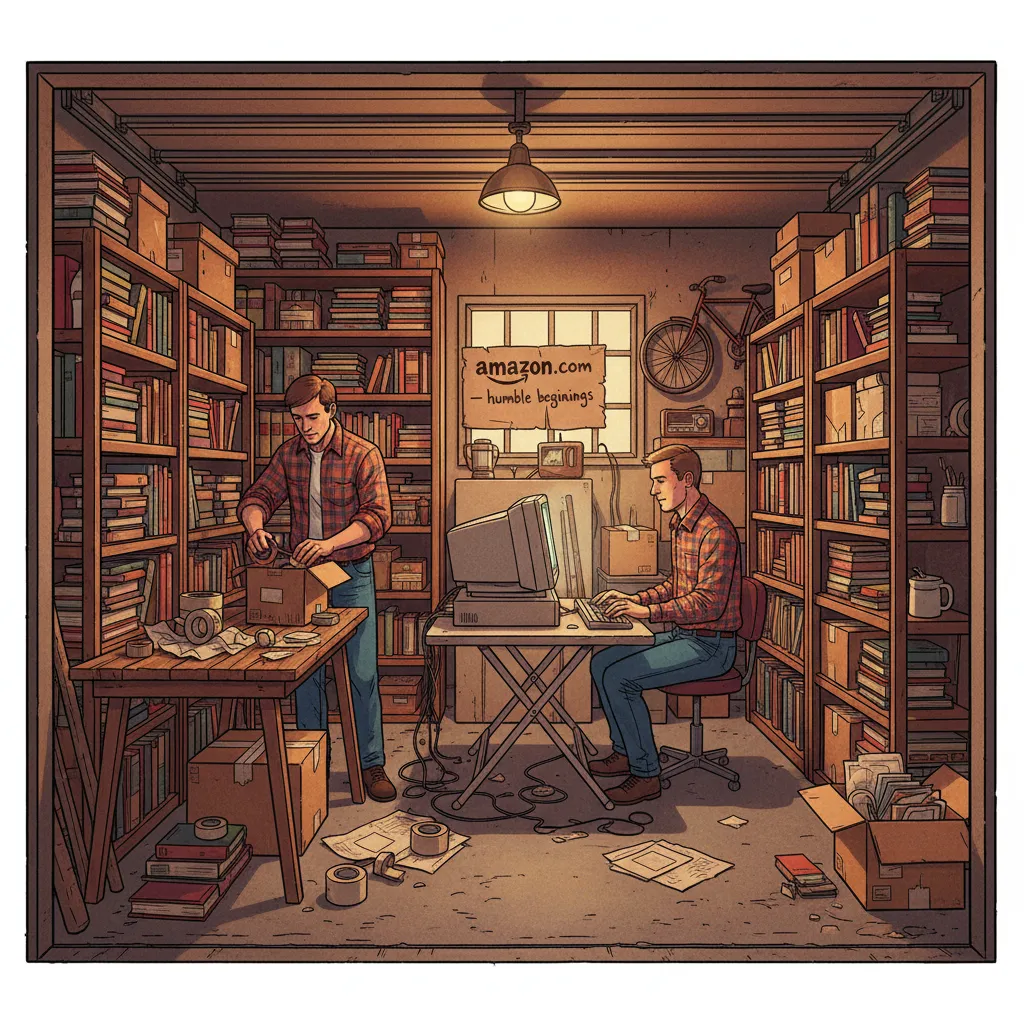
They rented a house in suburban Bellevue. Bezos set up shop in the garage.
The Door Desk
One of the first things Bezos did was build a desk. Not buy one — build one. He went to Home Depot, grabbed a solid-core door, and bolted four-by-four wooden legs onto it. Total cost: about sixty bucks.
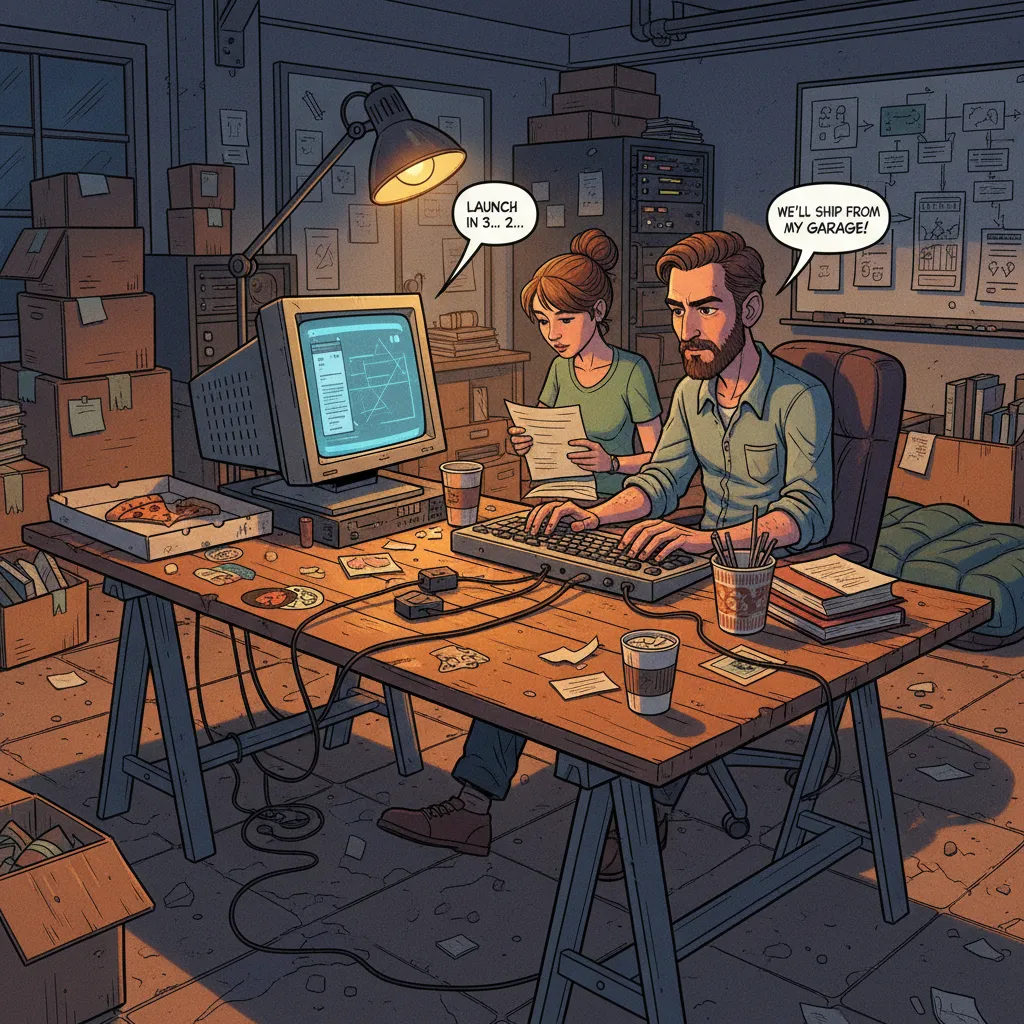
This wasn’t some cute startup affectation. It was a declaration of war on unnecessary spending. Why blow money on furniture when you could spend it on customers? The door-desk became an Amazon institution. For years, employees across the company worked on door-desks. Amazon even created an internal award — the “Door Desk Award” — for employees who found clever ways to save money. The message from Day 1: frugality isn’t a phase. It’s the religion.
Launch Day
Amazon.com went live on July 16, 1995. Bezos and his tiny crew — a handful of people crammed into a garage — built the site on Sun Microsystems workstations. The selection was modest by later standards, but compared to any physical bookstore on the planet, it was enormous.
In the first week, orders rolled in from all fifty states and forty-five countries. Bezos and his team packed and shipped every single order themselves, hauling boxes to the post office in their own cars. They set up a bell that rang every time someone made a purchase. Within weeks, the bell was ringing so constantly they had to kill it.

By September 1995, without spending a dime on advertising, the company was pulling in $20,000 per week in sales. Word of mouth alone was doing it. People were telling their friends about this wild new thing where you could buy any book ever printed without leaving your couch.
Early Investors
Bezos scraped together about $1 million from roughly twenty angel investors, mostly friends and family. His parents, Mike and Jackie Bezos, kicked in $245,573 — a huge chunk of their life savings. Bezos straight-up told them there was a 70% chance they’d lose every penny.
They didn’t lose every penny. That $245,573 eventually became worth tens of billions of dollars. Mike and Jackie Bezos became some of the richest people in the world because they bet on their kid. Sometimes the best investment thesis in the world is just: “I know my son.”
🚀 Chapter 4: Get Big Fast — The Dot-Com Era (1997–2001)
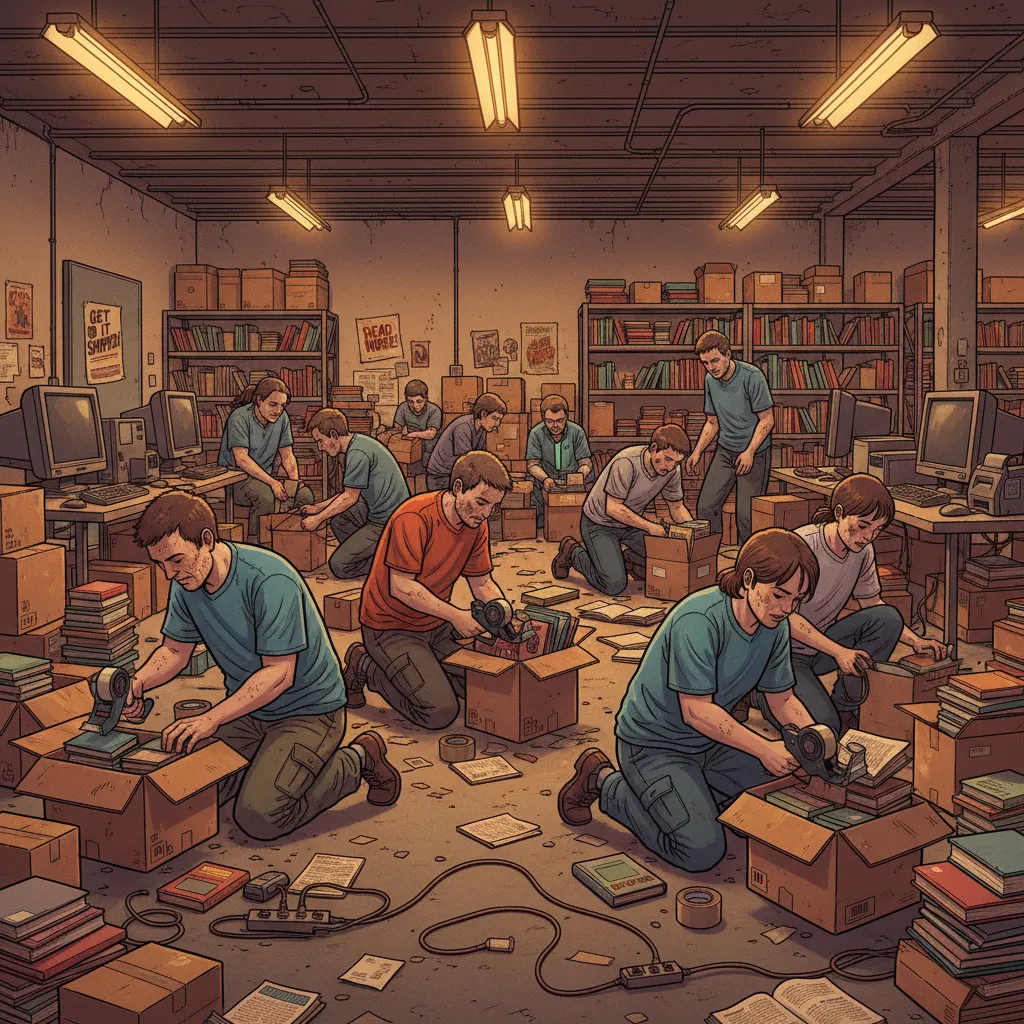
Amazon went public on May 15, 1997, at $18 per share, valued at around $438 million. That same year, Bezos dropped his first annual letter to shareholders — a document that would eventually become the most-cited CEO letter in business history.
That first letter laid down principles he’d follow with almost fanatical consistency for the next two decades:
- It’s all about the long term. Amazon would prioritize long-term market leadership over short-term profitability.
- We will make bold bets. Some would pay off. Many would blow up. That was fine.
- We will focus relentlessly on customers. Not competitors. Not analysts. Not Wall Street. Customers.
He ended the letter with a phrase he’d repeat every single year after: “It’s still Day 1.”
The Day 1 Philosophy
“Day 1” became the central religion of Amazon’s culture. To Bezos, Day 1 meant operating with the urgency, hunger, and scrappiness of a startup — no matter how massive the company got. Day 2? Day 2 was death.
“Day 2 is stasis. Followed by irrelevance. Followed by excruciating, painful decline. Followed by death. And that is why it is always Day 1.” — Jeff Bezos, 2016 shareholder letter
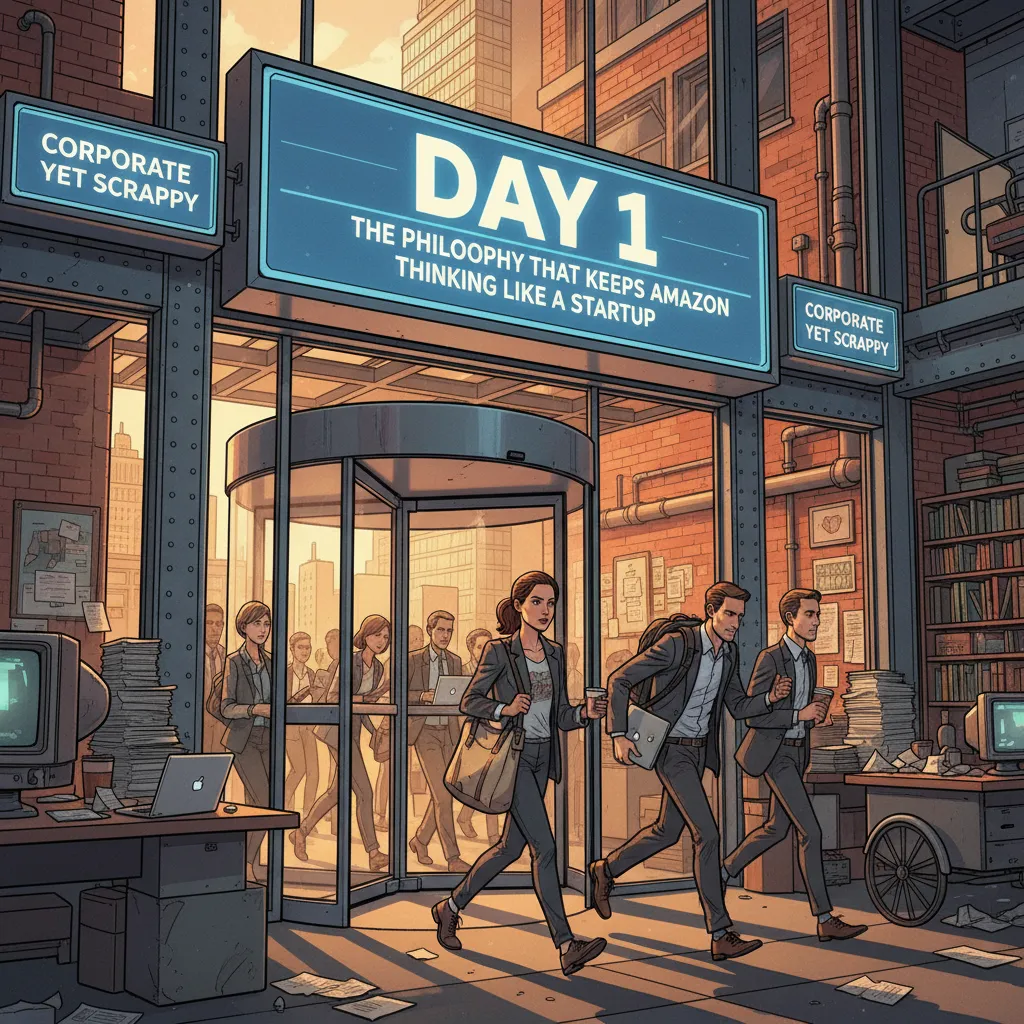
He literally named his office building “Day 1.” When he moved offices, the name moved with him. The building didn’t matter. The paranoia did.
Get Big Fast
Amazon’s strategy in the late ’90s boiled down to three words: Get Big Fast. This wasn’t just a motto — it was literally printed on employee T-shirts. Bezos believed that in the internet economy, scale was destiny. Get biggest first, and you build a moat nobody can cross.
Amazon ripped outward from books into music, DVDs, electronics, toys, and tools. Revenue exploded from $15.7 million in 1996 to $610 million in 1998 to $1.64 billion in 1999. Losses exploded even faster. Amazon hemorrhaged $719 million in 1999 alone.
Wall Street loved it — and then absolutely hated it. The stock rocketed from $18 to over $100 in 1999, making Bezos Time magazine’s Person of the Year. Then the dot-com bubble popped like a water balloon full of delusion.
The Crash
Between 1999 and 2001, Amazon’s stock cratered from over $100 to below $6. The company was sitting on $2.1 billion in debt. Analysts were writing eulogies. A Lehman Brothers analyst published a research note literally titled “Amazon.bomb” arguing the company was circling the drain toward bankruptcy. (Lehman Brothers, of course, would later go bankrupt itself, which is just chef’s kiss.)
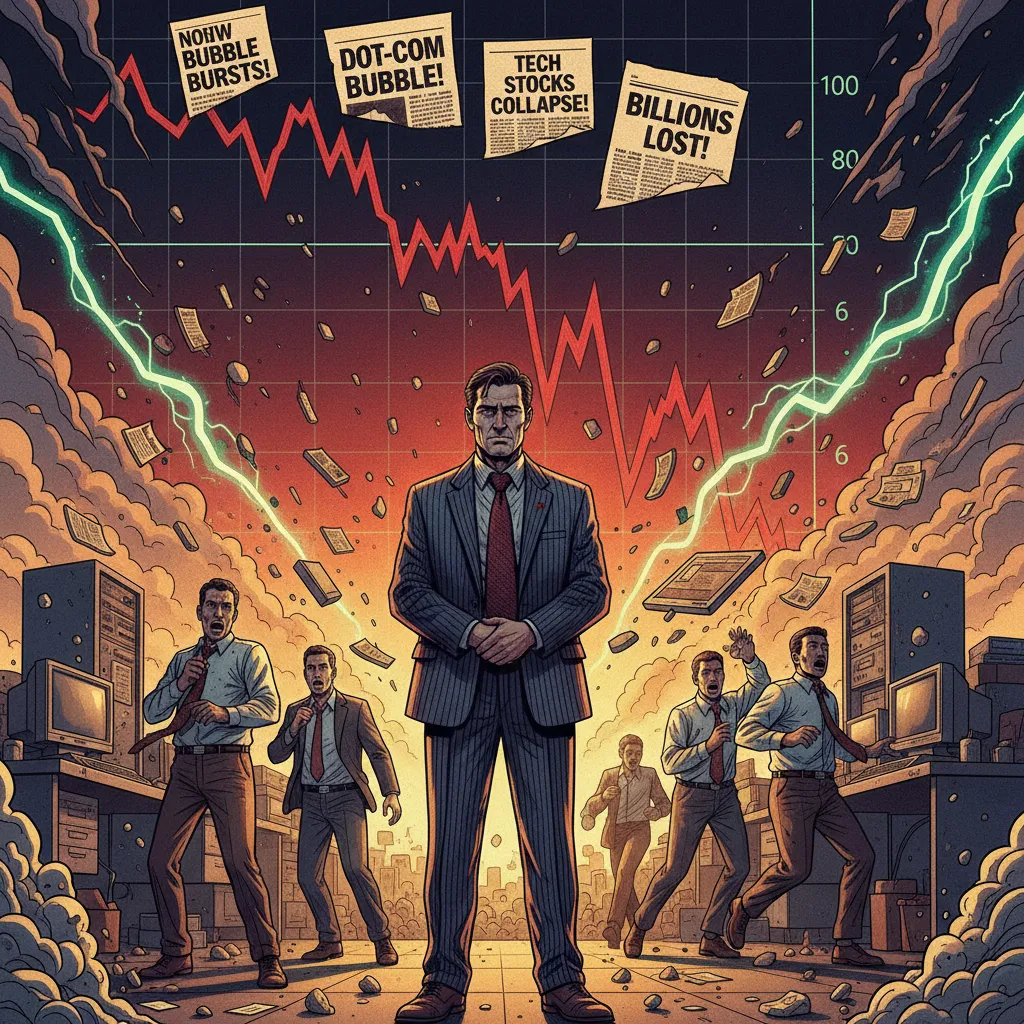
Bezos didn’t flinch. He cut costs — axed 15% of the workforce — but kept pouring money into infrastructure, logistics, and technology. His logic was blunt: the internet isn’t going away. The company that builds the best customer experience wins. He just had to not die first.
He didn’t die. Pets.com did. Webvan did. Kozmo.com did. Amazon survived.
In Q4 2001, Amazon posted its first-ever quarterly profit: $5 million on $1.12 billion in revenue. A razor-thin margin, but it shut up everyone who said this thing was a charity. Amazon hadn’t been burning money for fun. It had been reinvesting every dollar into building something no competitor could replicate. Now the world was about to find out what that actually looked like.
🏗️ Chapter 5: The Flywheel — Marketplace, Prime, and AWS (2002–2010)
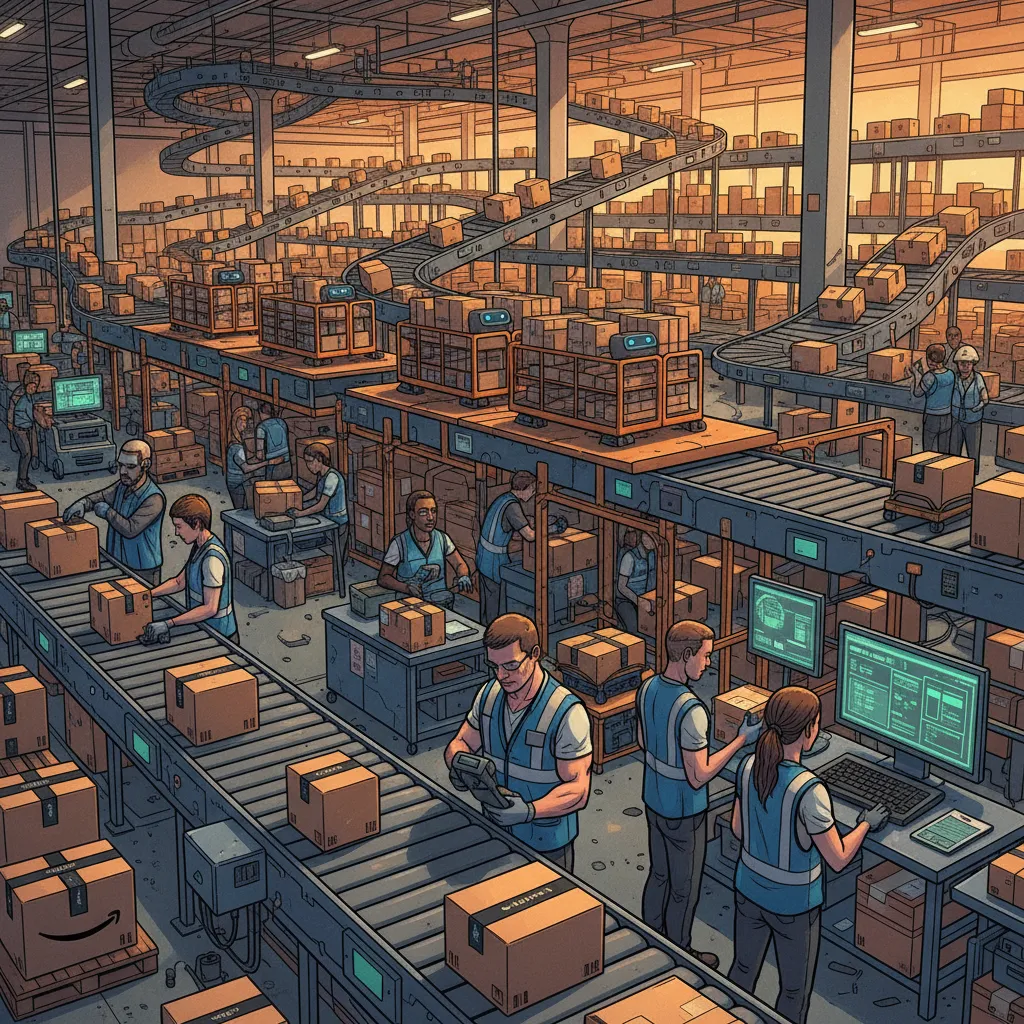
The early 2000s were when Amazon morphed from “online bookstore that also sells other stuff” into something the world had never seen before: a platform, an infrastructure provider, and an entirely new species of company.
The Flywheel
Around 2001, Bezos sketched a diagram on a napkin that would essentially become the operating system for a trillion-dollar empire:
Lower prices attract more customers. More customers attract more third-party sellers. More sellers means more selection. More selection improves customer experience. Better experience drives more traffic. More traffic attracts more sellers. The increased volume lets Amazon lower its costs, which enables even lower prices.
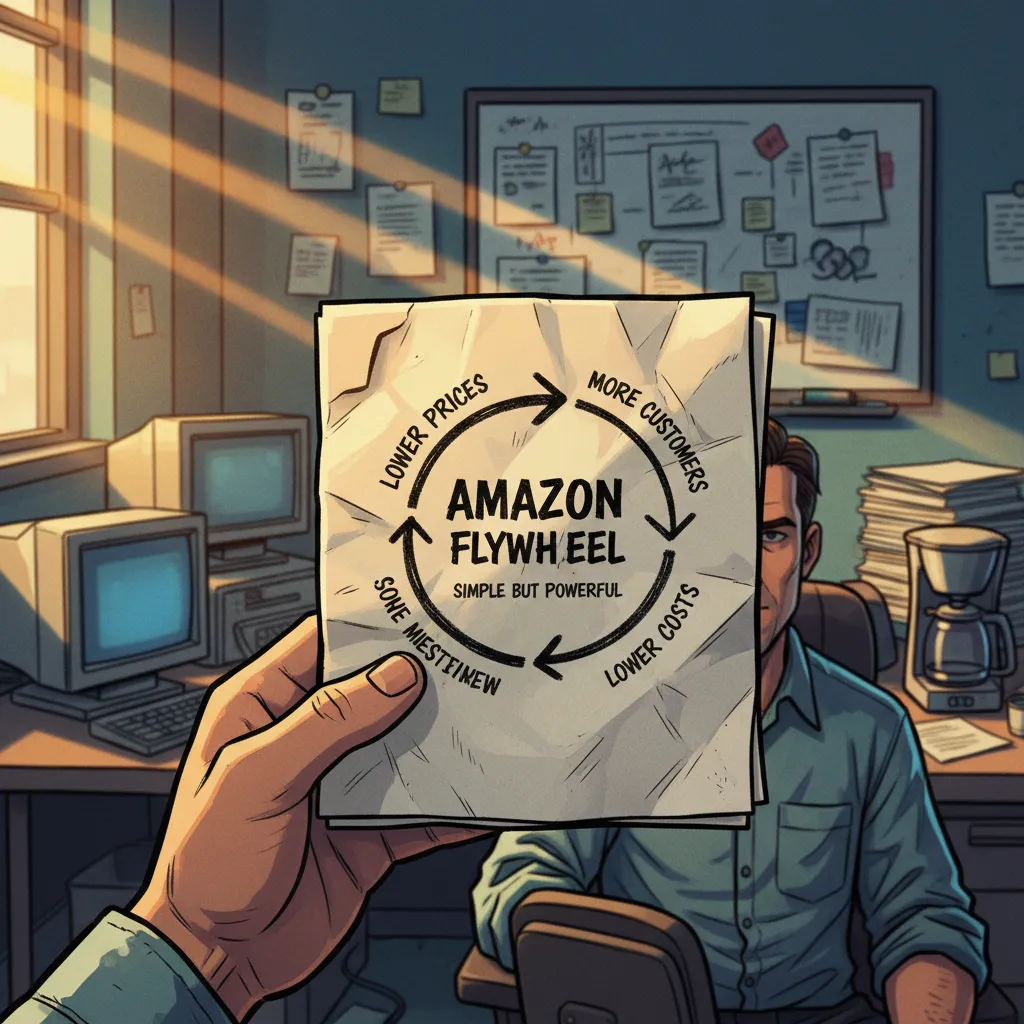
Each piece feeds the others. Once the flywheel starts spinning, it accelerates under its own momentum. Borrowed from Jim Collins’s Good to Great, this concept became the strategic backbone of everything Amazon did for the next two decades. It’s deceptively simple on a napkin. In practice, it’s a machine for eating the entire economy.
The Marketplace
In 2000, Amazon did something that seemed completely insane: it opened its platform to third-party sellers, inviting anyone to sell products right alongside Amazon’s own inventory. Why would you let competitors set up shop in your own store?
Bezos’s answer was pure customer obsession: customers want selection. If some random third-party seller has a product Amazon doesn’t carry, or can beat Amazon’s price, the customer should have access to it. Period. Restricting selection to protect Amazon’s own margins would be a Day 2 move.
By 2025, third-party sellers account for more than 60% of all units sold on Amazon. The marketplace turned Amazon from a retailer into a platform — and that distinction is worth hundreds of billions of dollars.
Amazon Prime
In February 2005, Amazon launched Prime — unlimited free two-day shipping for $79 per year. Inside the company, people thought Bezos had lost his mind. The math was brutal. Free two-day shipping on a $10 book would cost Amazon more than the book’s entire profit margin.
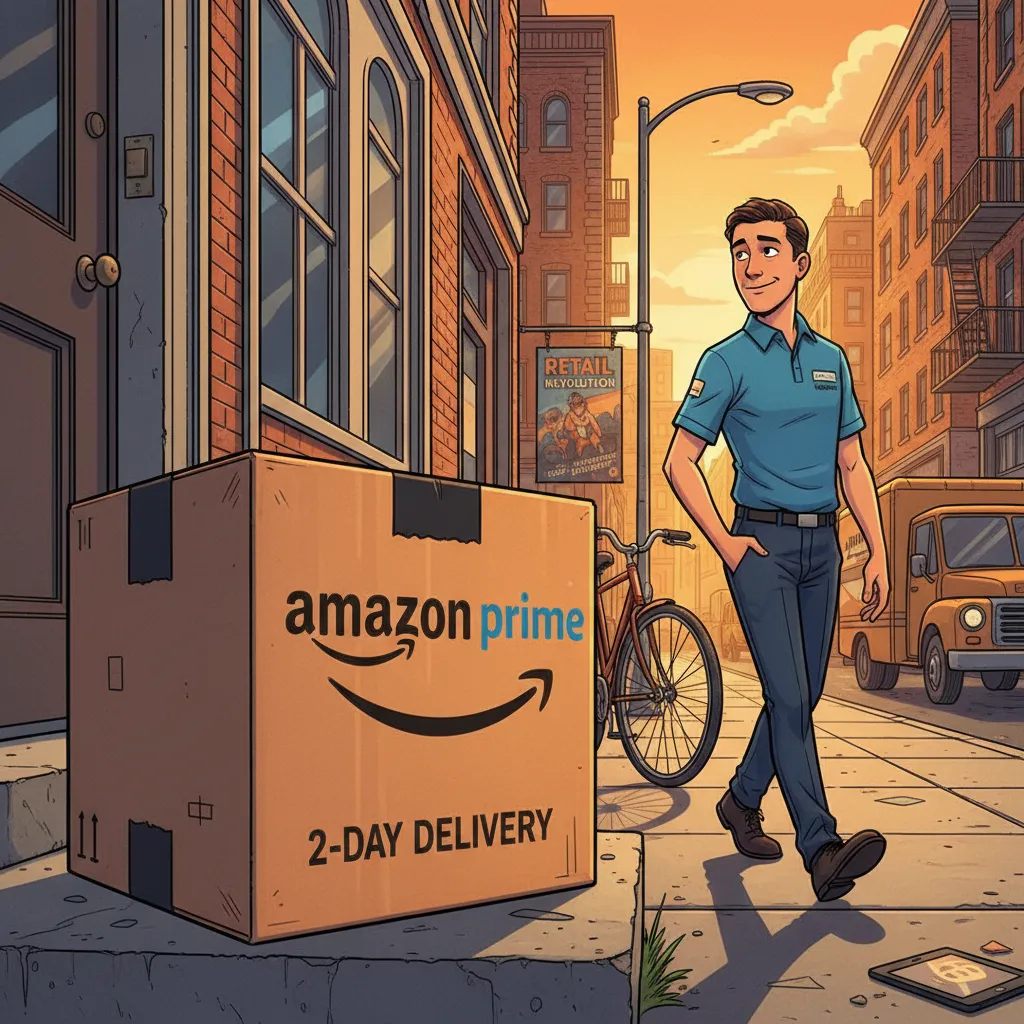
Bezos didn’t care about the per-unit math. He cared about rewiring your brain. His bet: if customers pre-paid for shipping, they’d shift a massive share of their total spending to Amazon. That annual fee would create a psychological trap — a sunk cost that makes you think, “Well, I already paid for shipping, so I might as well buy everything here.”
He was so right it’s almost scary. Prime members spend roughly two to three times more than non-members. By 2025, Prime has over 200 million members worldwide, and the program has metastasized to include streaming video, music, gaming, grocery delivery, pharmacy, and more. Every new perk makes it stickier. Every new member makes the flywheel spin faster. Good luck canceling.
AWS: The Accident That Built the Cloud
Here’s the wildest thing about Amazon: its most important product was basically an accident.
By the early 2000s, Amazon’s engineering teams were burning too much time on boring infrastructure work — setting up servers, managing databases, configuring storage — instead of building the stuff customers actually see. Bezos and his technical leaders, including Andy Jassy and Werner Vogels, decided to standardize all that infrastructure into internal services any team at Amazon could use on demand.
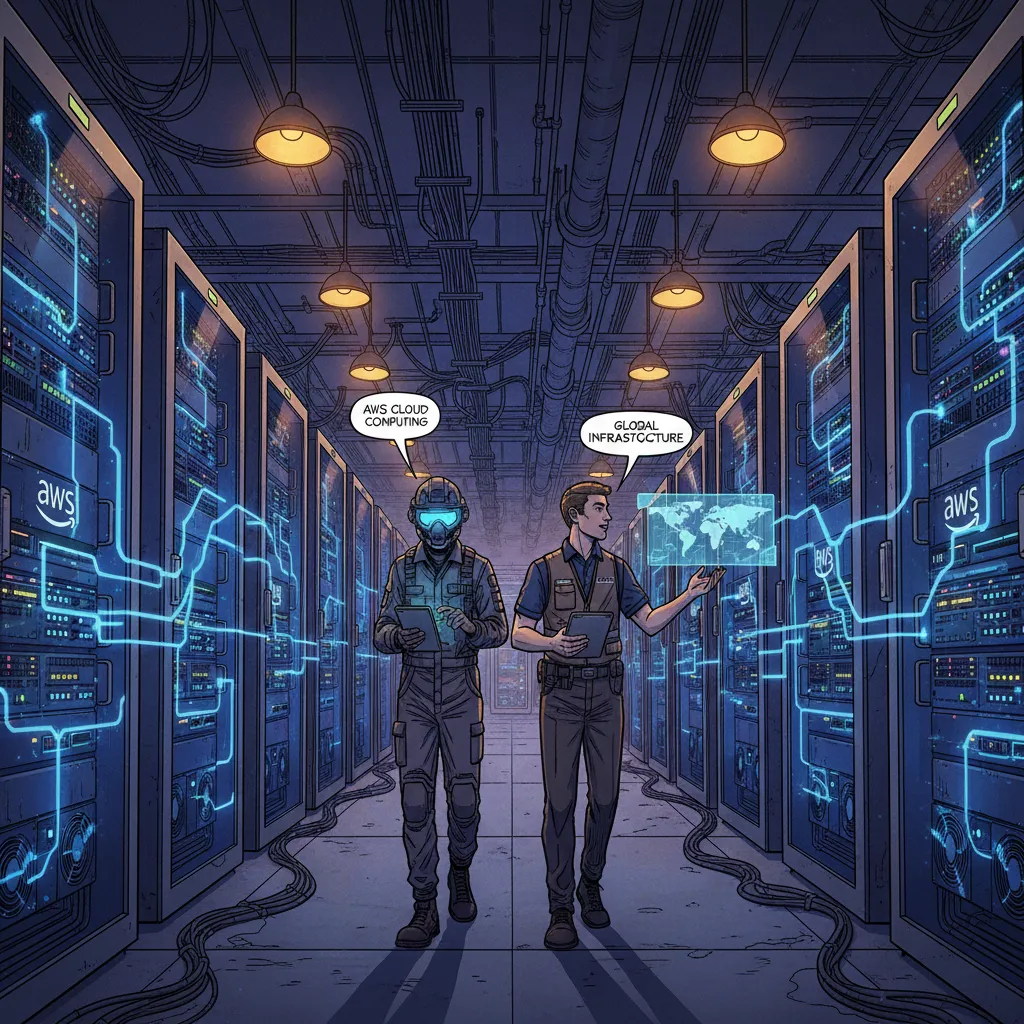
Then someone asked the obvious question: if we already built this for ourselves, why not sell it to everybody?
Amazon Web Services launched in 2006 with three products: S3 (storage), EC2 (computing), and SQS (messaging). Pay-as-you-go, no upfront commitment. Suddenly, two engineers with a laptop and a credit card could access the same computing power that used to require millions in hardware. AWS democratized the cloud before most people even knew what “the cloud” meant.
The timing was obscenely good. The smartphone era was about to detonate, spawning an explosion of apps and services that all needed cloud infrastructure. Netflix, Airbnb, Slack, and thousands of other companies built their entire businesses on AWS.
By 2025, AWS generates over $100 billion in annual revenue and is the real profit engine of Amazon. It’s the invisible layer beneath a terrifying percentage of the internet. When AWS has an outage, half the web goes dark. That’s not a tech company — that’s a utility.
“We were a large company, and I wanted us to have the nimbleness and the heart and the spirit of a small one.” — Jeff Bezos, on why he organized Amazon into small, autonomous teams
📖 Chapter 6: The Kindle and the Content Wars (2007–2013)
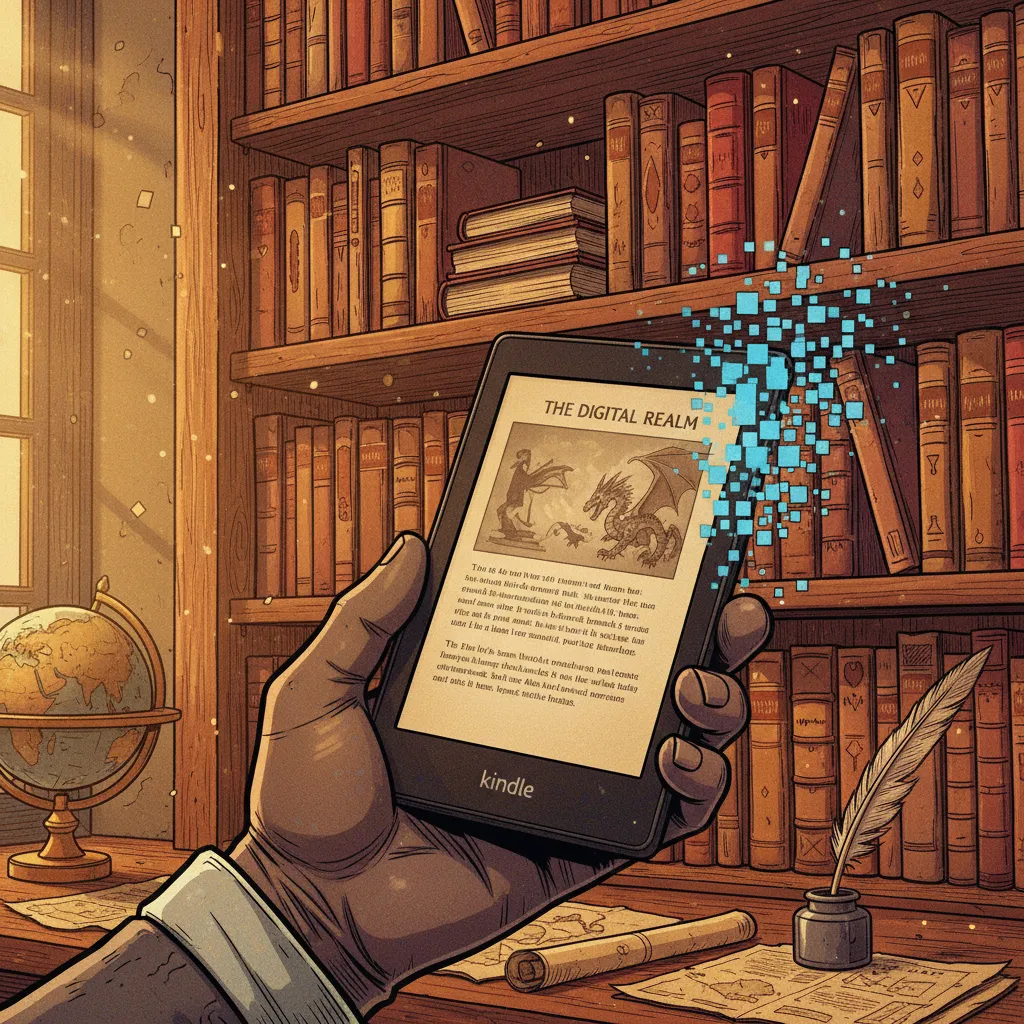
In November 2007, Amazon dropped the Kindle — a dedicated e-reader that could download a book wirelessly in under sixty seconds. It sold out in five and a half hours. It stayed out of stock for five months.
The Kindle wasn’t just a gadget. It represented a fundamental shift in Bezos’s ambition: Amazon would no longer just sell other companies’ products. It would make its own.
The $9.99 Problem
Amazon priced most Kindle bestsellers at $9.99 — well below what publishers charged wholesale. Amazon was losing money on every bestselling e-book. Publishers were livid. They saw the $9.99 price point for exactly what it was: a deliberate attempt to permanently train customers to expect books to cost less than a sandwich.
And they were right. That’s exactly what Bezos was doing. He just didn’t care that they were mad about it.
The resulting war — especially the 2014 battle with publisher Hachette, during which Amazon deliberately slowed delivery of Hachette titles and yanked pre-order buttons — became one of the ugliest fights in publishing history. Stephen King, James Patterson, and thousands of other authors signed open letters blasting Amazon’s tactics.
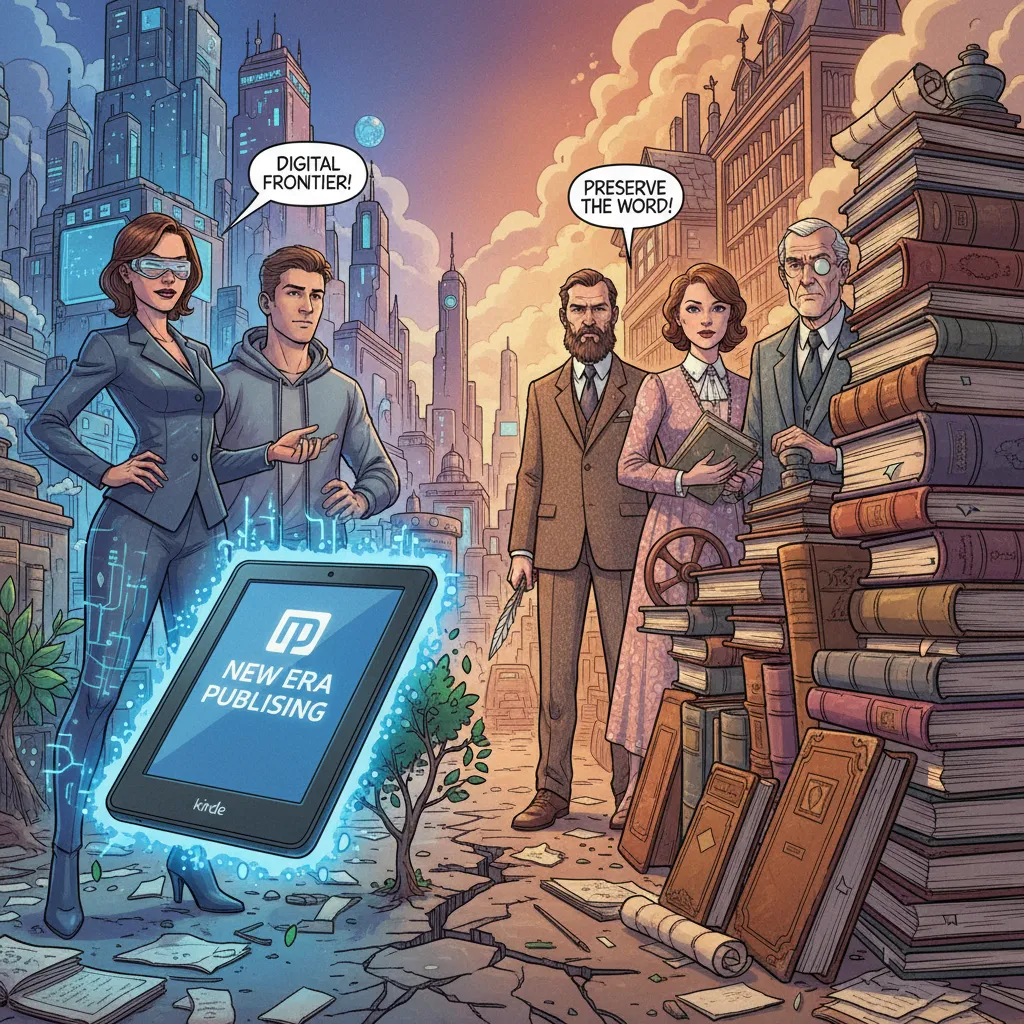
Bezos’s position never wavered: lower prices benefit customers, and any industry that fights lower prices is just protecting its own fat margins. Critics shot back that Bezos was wielding monopoly power to suffocate an industry vital to culture and democracy. Both sides had a point. Bezos had more leverage.
Disrupting Himself
The Kindle also showed Bezos’s willingness to cannibalize his own business — something most CEOs talk about but almost none actually do. Amazon was the world’s largest online bookseller. The Kindle threatened to nuke the physical book market that Amazon dominated. Bezos launched it anyway.
“If you’re going to invent, you’re going to disrupt. Companies that refuse to disrupt themselves get disrupted by someone else.” — Jeff Bezos
This philosophy — eat your own lunch before someone else does — later drove Amazon into streaming video (torching its own DVD sales), grocery delivery (competing with the Whole Foods stores it had just bought), and AI services (potentially disrupting its own AWS customers). Bezos would rather destroy his own revenue stream than let a competitor do it.
🌍 Chapter 7: The Empire Expands (2013–2019)
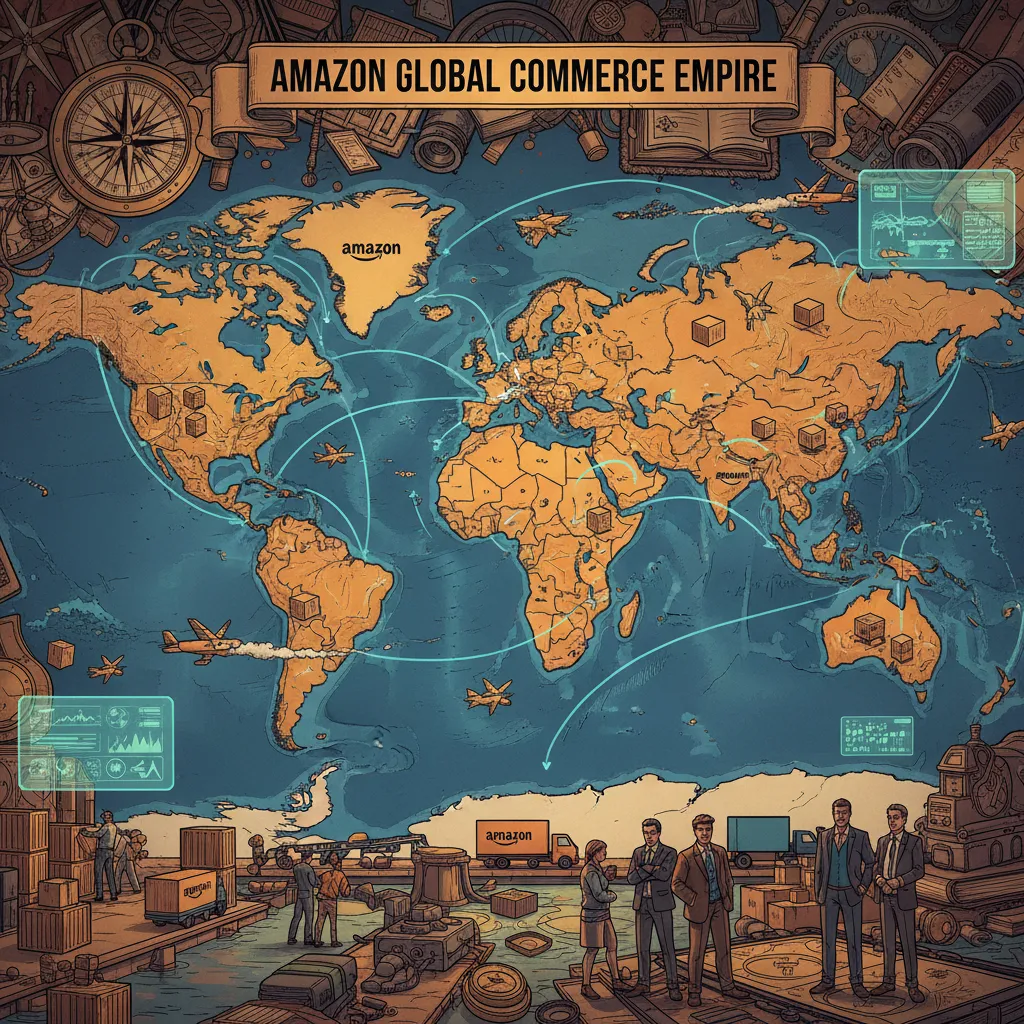
By the mid-2010s, Amazon had become something that defied easy labeling. It was a retailer, a tech platform, a logistics company, a movie studio, a grocery chain, a hardware manufacturer, a publishing house, and the backbone of the internet — all at once. Trying to categorize Amazon was like trying to describe a creature that’s part octopus, part tank, and part bank.
The Washington Post
In August 2013, Bezos personally bought The Washington Post for $250 million in cash. Not Amazon — Bezos himself. He bought one of America’s most important newspapers the way you’d buy a used car: personal funds, no corporate structure, done.
The Post had been owned by the Graham family for eighty years and was hemorrhaging money. Bezos saw a broken business model that technology could fix.
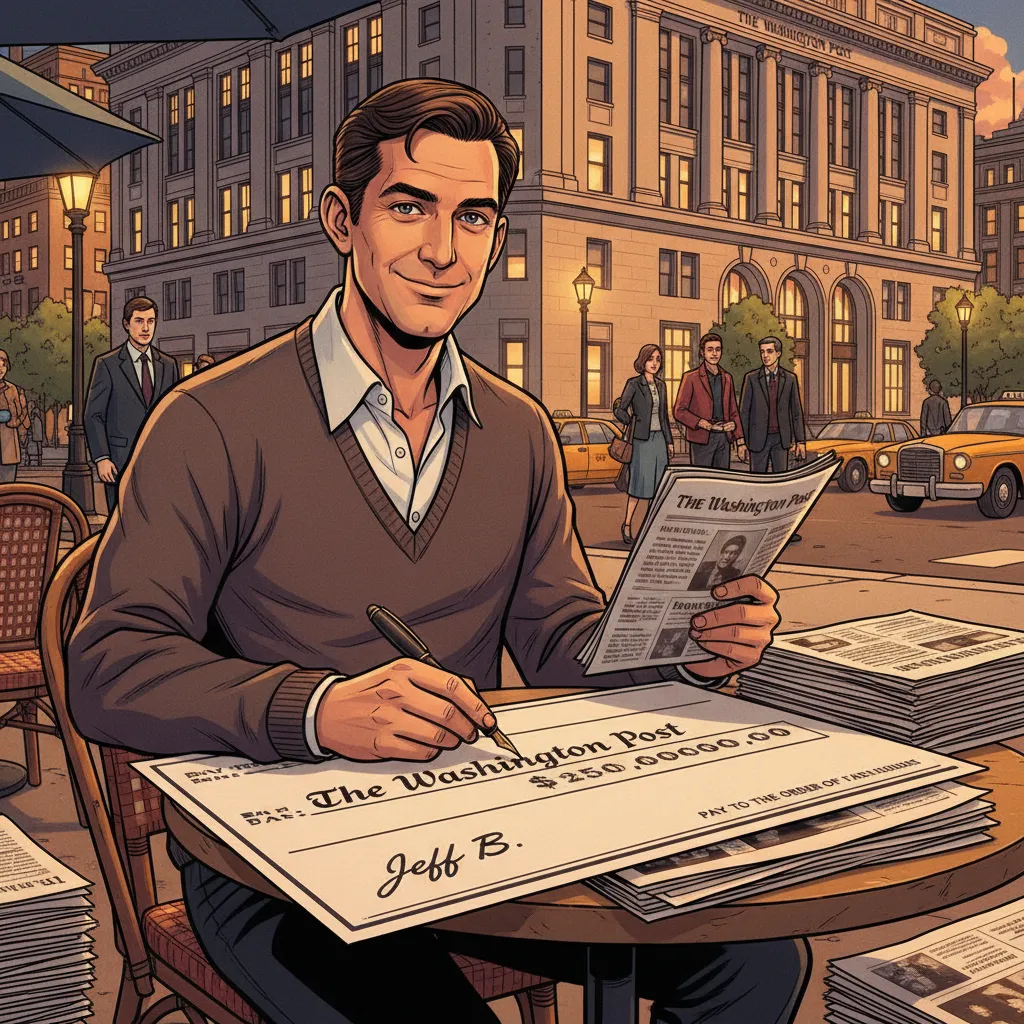
Under his ownership, the Post went heavy on digital, hired engineers alongside journalists, and grew traffic dramatically. The paper went from bleeding red to turning a profit. Bezos stayed largely hands-off on what the reporters actually wrote but was deeply involved in product and tech strategy.
The Post’s coverage would later collide with Bezos’s personal life in ways nobody saw coming — but we’ll get to that.
Alexa and Echo
In November 2014, Amazon shipped the Echo — a cylindrical speaker powered by Alexa, its voice AI. It created an entirely new product category overnight. Within a few years, Alexa was living in tens of millions of homes, controlling lights, playing music, answering dumb questions at 3 a.m., and — most importantly — making it even easier to give Amazon your money.
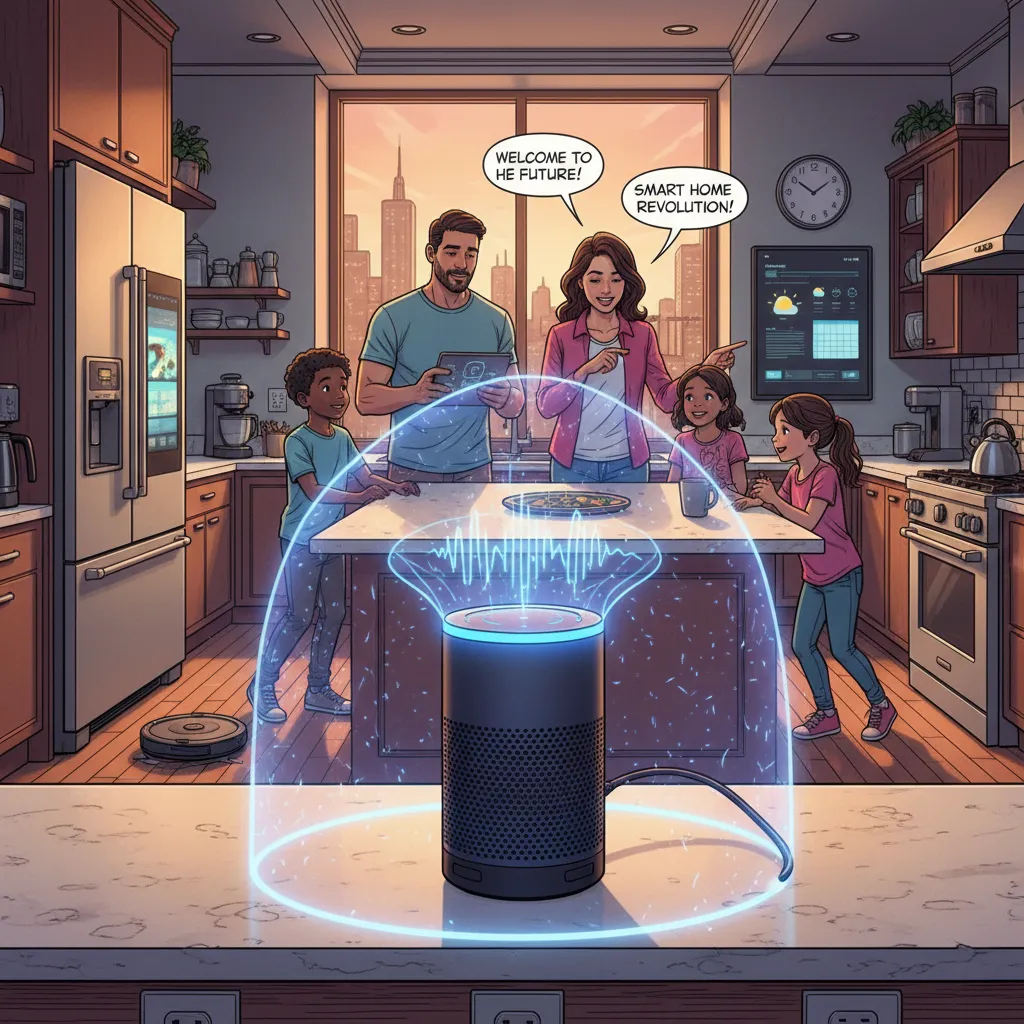
Classic Bezos playbook: use hardware as a Trojan horse for Amazon services, price it aggressively (sometimes at or below cost), and build an ecosystem so convenient that leaving feels like moving to a cabin with no electricity.
Whole Foods
In June 2017, Amazon dropped $13.7 billion to buy Whole Foods Market — its biggest acquisition at the time. The deal gave Amazon instant access to over 450 physical stores, a premium brand, and the most complex supply chain problem in retail: perishable food.
On closing day, Amazon immediately slashed prices on staple items at Whole Foods by up to 43%. The message to every other grocery chain in America: we’re here, and we’re going to compete on price. Sleep well.
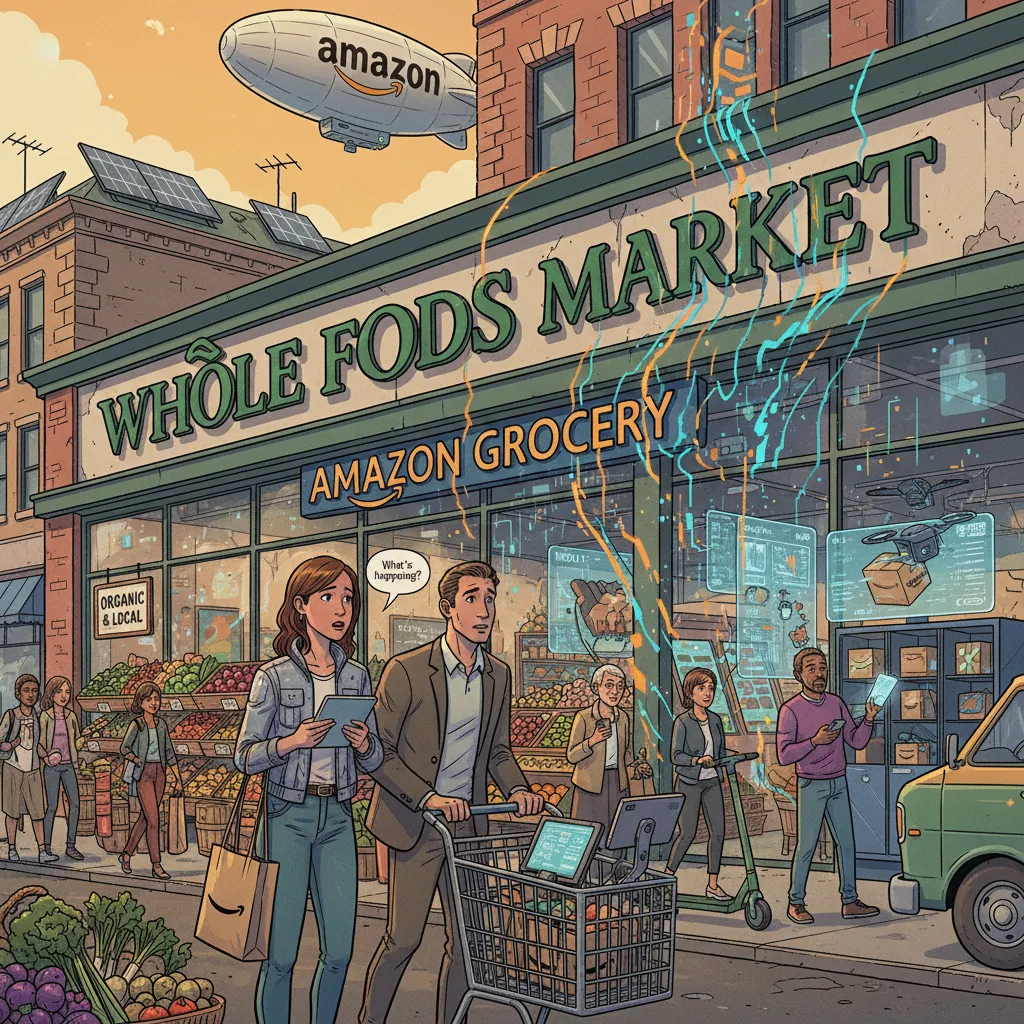
The acquisition was also a rare admission from Bezos that some things are just really hard to build from scratch. Amazon had been trying to crack grocery delivery for years and kept face-planting. Buying Whole Foods gave them physical infrastructure that would have taken a decade to build. Sometimes even Bezos has to admit that writing a very large check is faster than being clever.
MGM and Content
In 2021, Amazon scooped up MGM Studios for $8.45 billion, getting its hands on over 4,000 films and 17,000 TV episodes, including James Bond, Rocky, and The Handmaid’s Tale. The play: make Prime Video a legitimate threat to Netflix and Disney+.
Amazon Studios had already been producing original content since 2013, snagging Academy Awards with Manchester by the Sea and critical acclaim for The Marvelous Mrs. Maisel and Fleabag. The MGM deal added a massive library and — more importantly — franchise IP that could be mined for decades.
🧠 Chapter 8: The Bezos Method — How He Runs a Company
You can’t understand Amazon without understanding how Jeff Bezos thinks. His management methods are weird, deeply thought-out, and have been copied by companies everywhere.
The Empty Chair
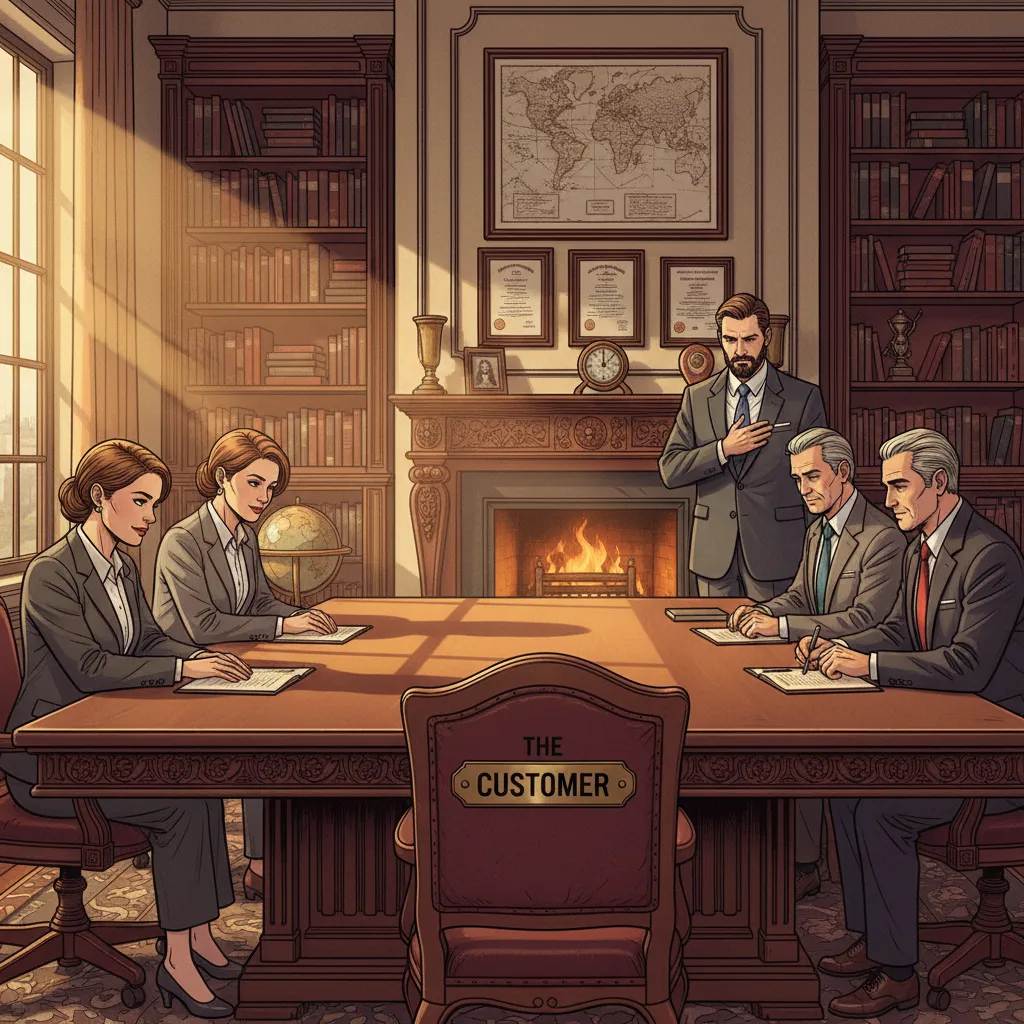
In early Amazon meetings, Bezos would place an empty chair at the conference table. The chair was the customer. Every decision, every argument, every product call had to be made with that empty chair in mind. What does the customer want? What serves them best?
It sounds like corporate theater, and honestly it is — but it worked. It’s hard to argue for your team’s pet project when there’s an empty chair staring at you, silently asking, “Yeah, but what about me?”
Six-Page Memos
Bezos banned PowerPoint at Amazon. Completely. No slides. No bullet points. No animations. Instead, before any important meeting, the presenting team has to write a six-page narrative memo — a structured, full-prose document laying out the issue, the data, the options, and the recommendation.
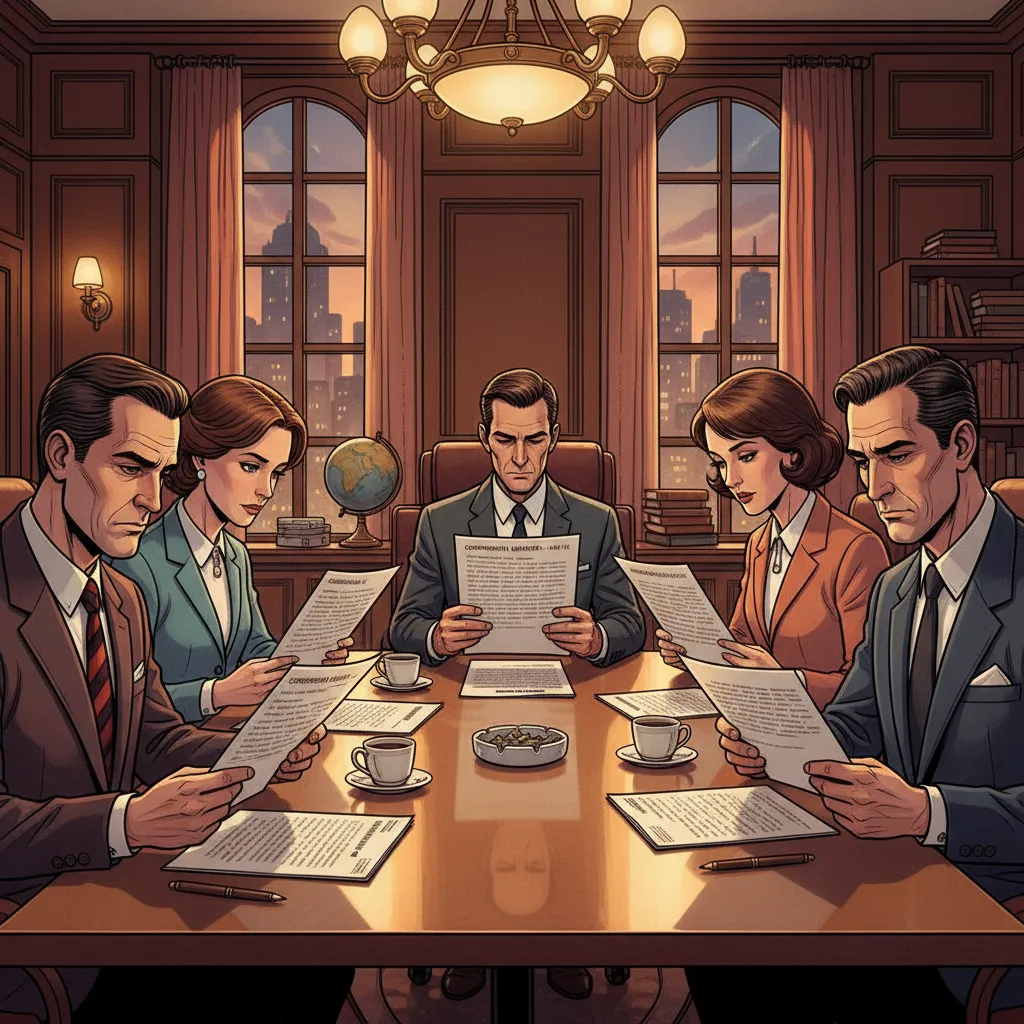
At the start of the meeting, everyone sits in silence for twenty to thirty minutes, reading the whole thing front to back. Only after everyone has read every word does the conversation begin.
Bezos’s logic is brutal: bullet points let you hide bad thinking behind nice formatting. You can bluff your way through a slide deck. But try writing six pages of coherent prose about a half-baked idea. You can’t. The writing forces you to actually think. And because everyone reads the same document before talking, the discussion starts from shared facts instead of one person’s carefully curated spin.
The six-page memo has become one of the most influential management ideas of the century. Companies from Google to Stripe now use versions of it.
Two-Pizza Teams
Bezos declared that no Amazon team should be bigger than what two pizzas could feed — roughly six to ten people. The rule was designed to fight the bureaucratic bloat that kills big companies. Small teams communicate faster, decide faster, and have nowhere to hide when things go wrong.
Each two-pizza team owns a specific product, feature, or service end-to-end. This structure lets Amazon — a company with over 1.5 million employees — somehow still move with the speed and accountability of a startup. At least in theory.
The Question Mark Emails
Bezos reads customer complaint emails. When he finds one that bugs him, he forwards it to the responsible executive with a single addition: ”?”

One character. That’s it. And receiving a question-mark email from Bezos was one of the most terrifying things that could happen to an Amazon executive. It meant the CEO had personally seen a customer problem, and he wanted an explanation and a fix — yesterday. People who got these emails dropped everything. The practice meant that any customer complaint, no matter how small, could skip every layer of bureaucracy and land directly on the desk of the person responsible. Nowhere to hide.
The Bezos Daily Routine
Here’s a fun contradiction: despite running one of the most intense companies on Earth, Bezos is fanatical about protecting his mornings. He “putters” — reads the newspaper, has breakfast with his family, thinks without urgency. He schedules no meetings before 10 a.m. and makes his most important decisions before lunch, when his energy peaks.
He sleeps eight hours a night. Let that land for a second. The man who built a company where warehouse workers have reportedly resorted to wearing diapers during Prime Day, according to multiple news investigations, because of difficulty getting bathroom breaks… sleeps eight hours a night because, in his words, sleep deprivation leads to bad decisions.
“If I have three good decisions a day, that’s enough. They should just be as high-quality as I can make them.” — Jeff Bezos
The Laugh
No profile of Bezos is complete without mentioning The Laugh. It’s explosive, sudden, and completely unhinged — described variously as a “barking seal,” a “jackhammer,” and “the mating call of a very wealthy dinosaur.” It erupts without warning in meetings, interviews, and casual conversations. Former employees have described being startled by it in quiet hallways. Journalists have called it “the most famous laugh in business.”
It’s the kind of laugh that makes you wonder if the person is genuinely delighted or if they’re a Bond villain who just activated the laser. Probably both. Either way, it’s unmistakably, indelibly him. If you’ve heard it once, you will never, ever forget it.
🚀 Chapter 9: Blue Origin — The Quiet Space Obsession (2000–Present)
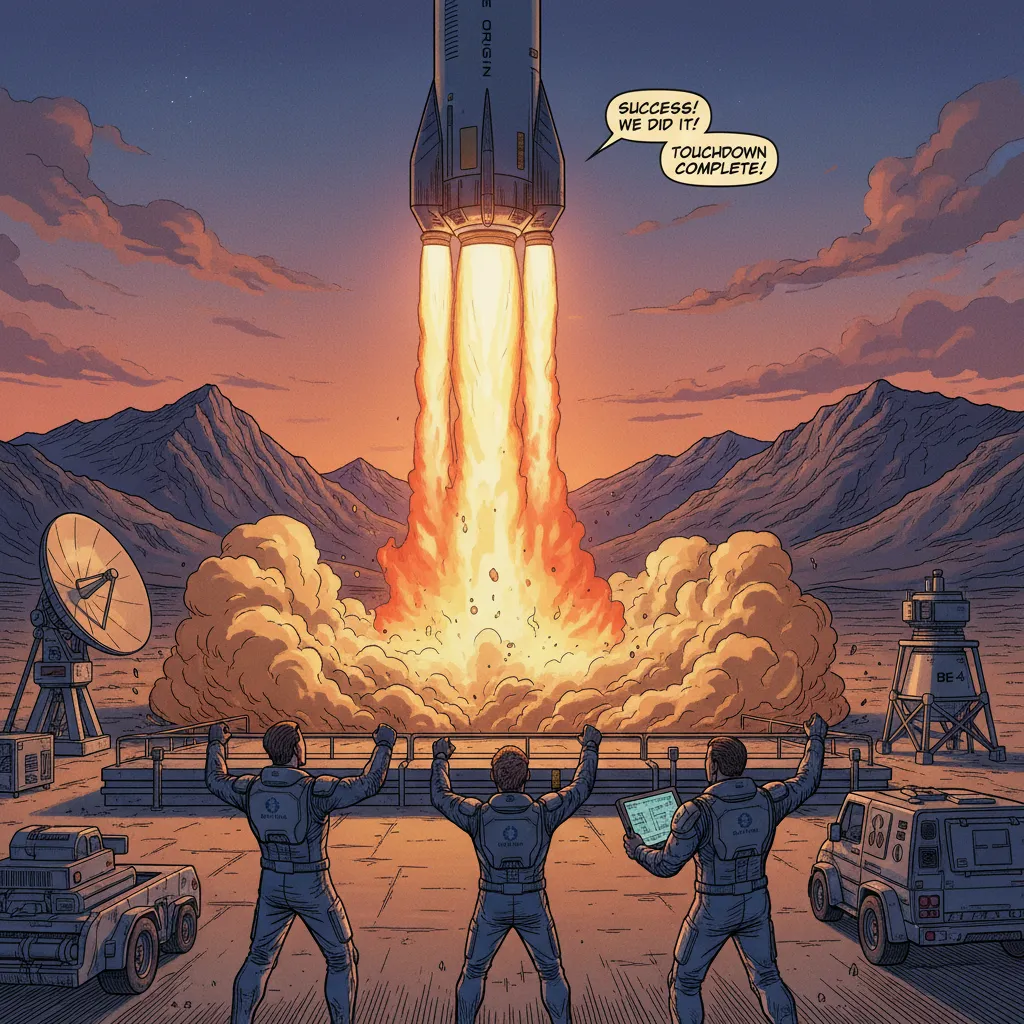
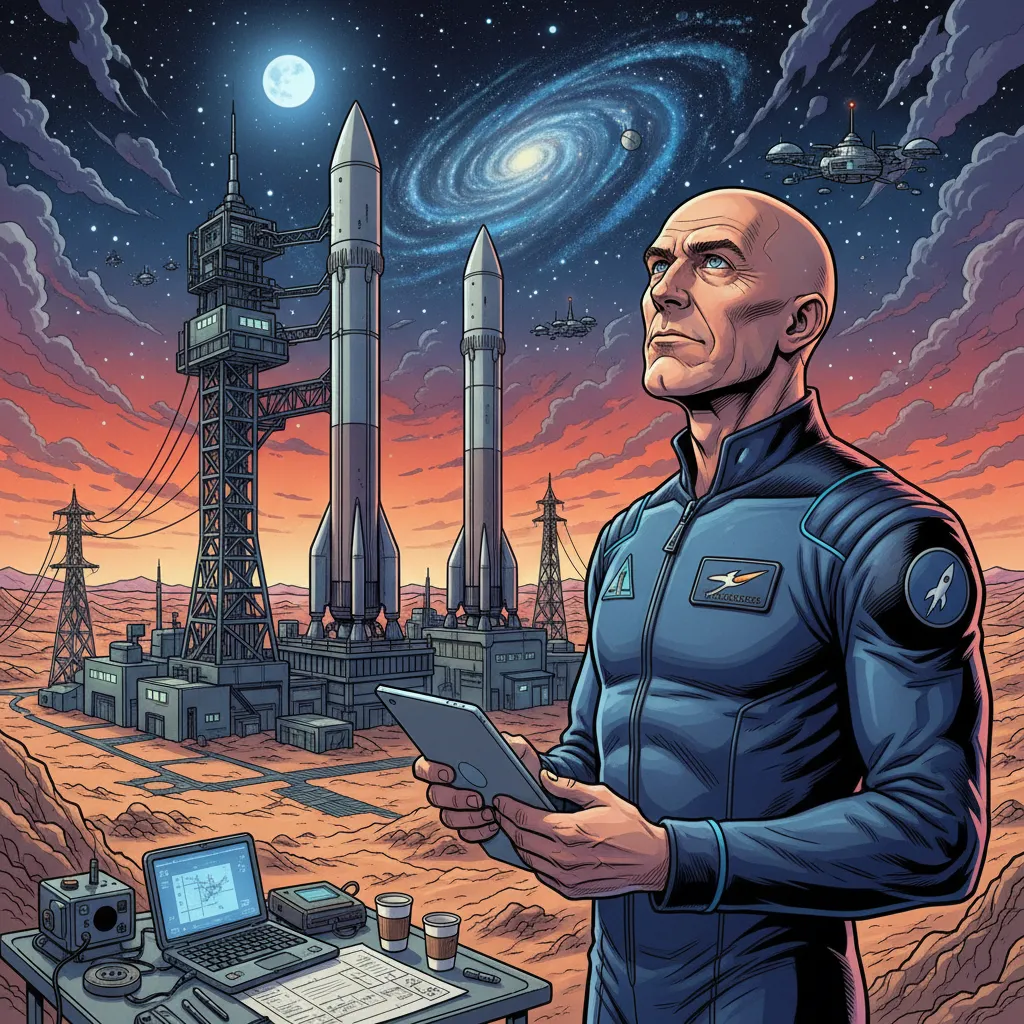
Most people know Bezos started Amazon. Fewer know that he launched his space company, Blue Origin, just two years later — in September 2000 — and that he considers it the most important work of his life. Not Amazon. Space. Let that recalibrate your understanding of the guy.
Gradatim Ferociter
Blue Origin’s motto is “Gradatim Ferociter” — Latin for “step by step, ferociously.” Unlike SpaceX, which operated in public and embraced spectacular explosions as learning opportunities, Blue Origin spent its first decade in near-total secrecy. Bezos funded it personally, pouring over $1 billion per year from his Amazon stock into the company.
Bezos’s space vision diverges sharply from Musk’s. Musk wants to colonize Mars. Bezos wants to move heavy industry off Earth entirely. He envisions a future where millions of people live and work on massive orbiting space stations — the exact same vision he described in his high school valedictory speech decades earlier. In Bezos’s framework, Earth becomes a residential zone — protected and preserved — while manufacturing, energy production, and resource extraction happen in orbit. The dude has been consistent about this since he was eighteen.
New Shepard and the Flight
On July 20, 2021 — the anniversary of the Apollo 11 Moon landing, because of course — Bezos rode his own New Shepard rocket to the edge of space. He brought his brother Mark, 82-year-old aviator Wally Funk (oldest person ever to fly to space), and 18-year-old Oliver Daemen (youngest person ever to fly to space).
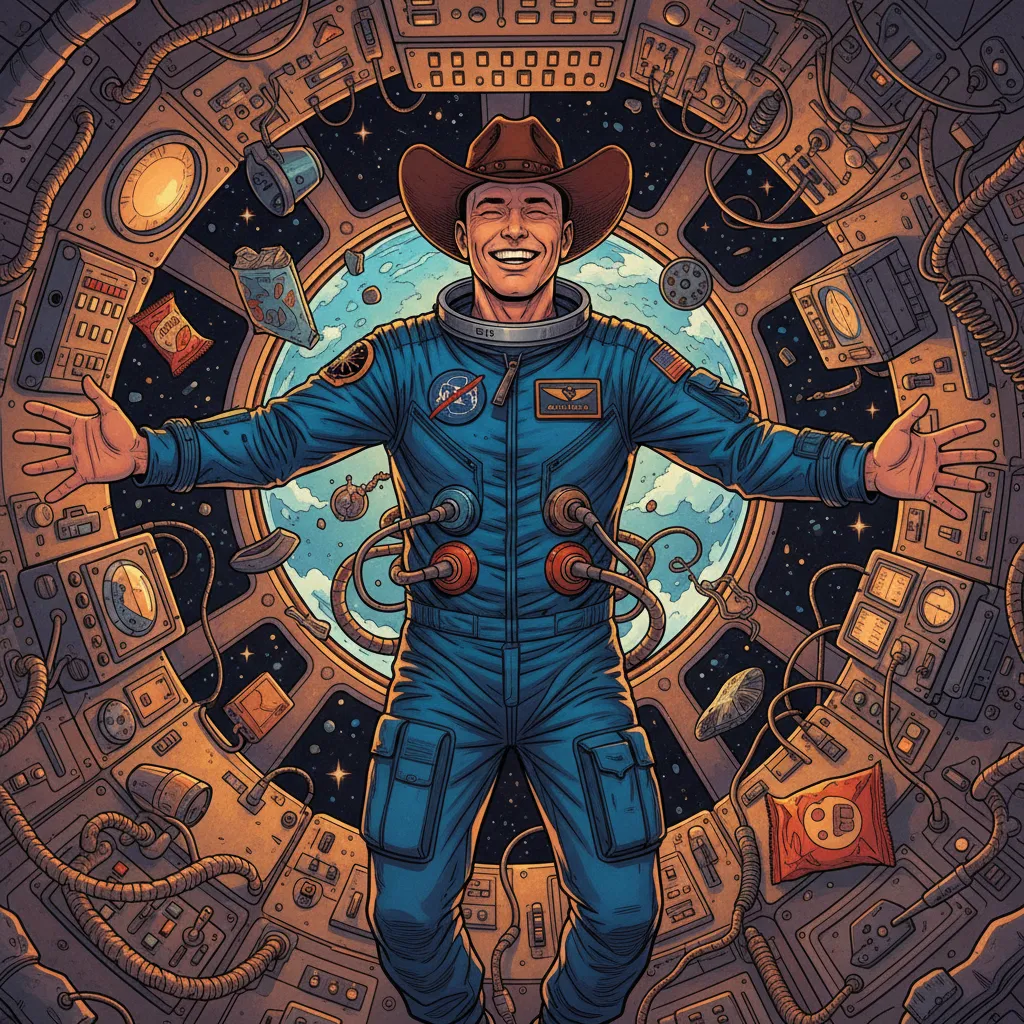
After landing, he slapped on a cowboy hat and, grinning from ear to ear, thanked Amazon employees and customers for making it possible. “You guys paid for all this,” he said. The internet lost its collective mind. Workers earning $15 to $19 an hour in warehouses — the same ones who had reportedly been urinating in bottles to hit rate targets — were not charmed by the sentiment.
The Musk Rivalry
The Bezos-Musk relationship started with a dinner in 2004 where they talked about their shared love of space. It went downhill from there. Fast. According to Musk, Bezos’s plans for Blue Origin were “not very good.” According to Bezos, Musk was reckless and impatient. Two billionaire egos in a room — shocking that it didn’t go well.
Over the years, the rivalry escalated through patent fights, competing NASA contract bids, and — inevitably — social media snark. When Blue Origin lost a major NASA lunar lander contract to SpaceX in 2021, Blue Origin filed a protest with the Government Accountability Office and then a lawsuit in federal court, delaying the program by months. Musk responded with mocking memes. Billionaire beef at its finest.
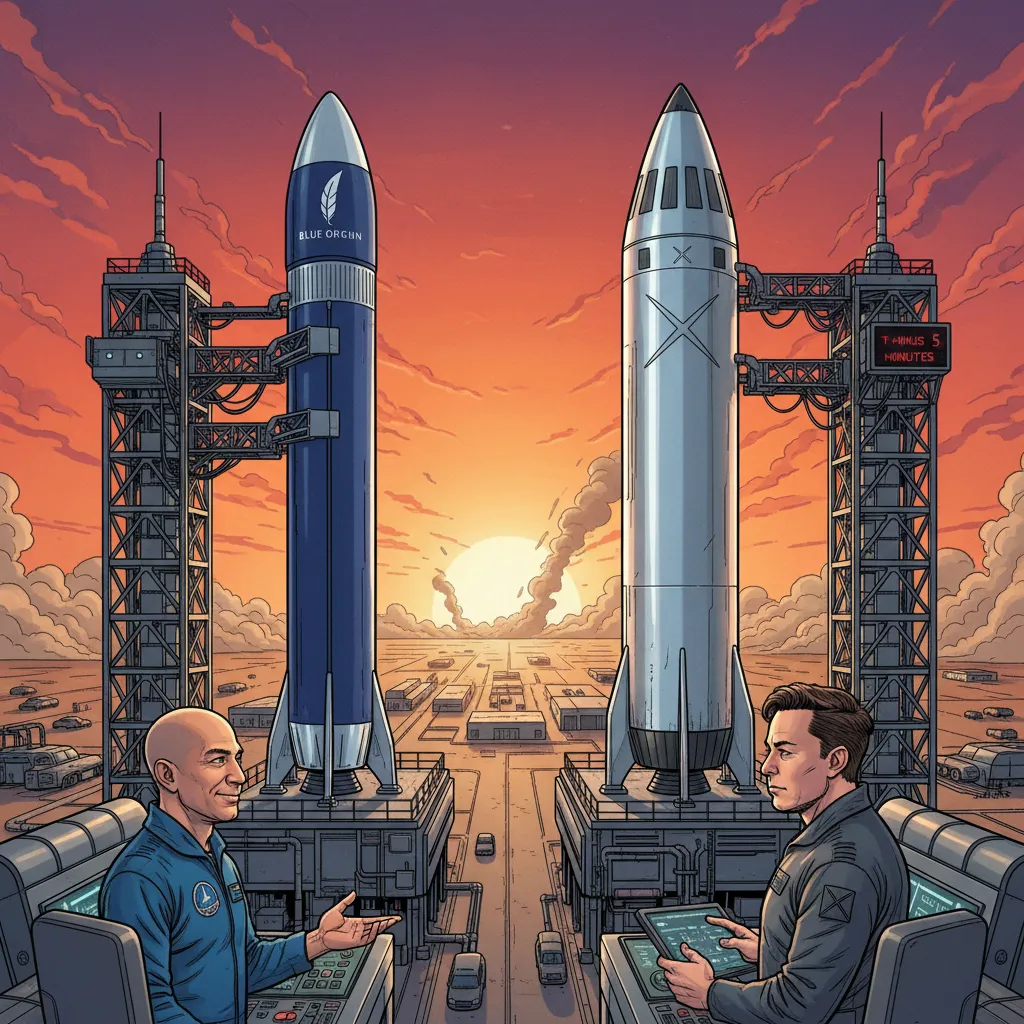
At its core, this is a philosophical clash. Musk moves fast, blows things up in public, iterates, and moves again. Bezos moves methodically, tests obsessively behind closed doors, and only shows up when he’s confident it’ll work. As of 2026, SpaceX is years ahead in orbital capability, but Blue Origin’s New Glenn heavy-lift rocket has started flying, and the tortoise might still have something to say to the hare.
💔 Chapter 10: Personal Life — Love, Divorce, and the Tabloid War (2019)
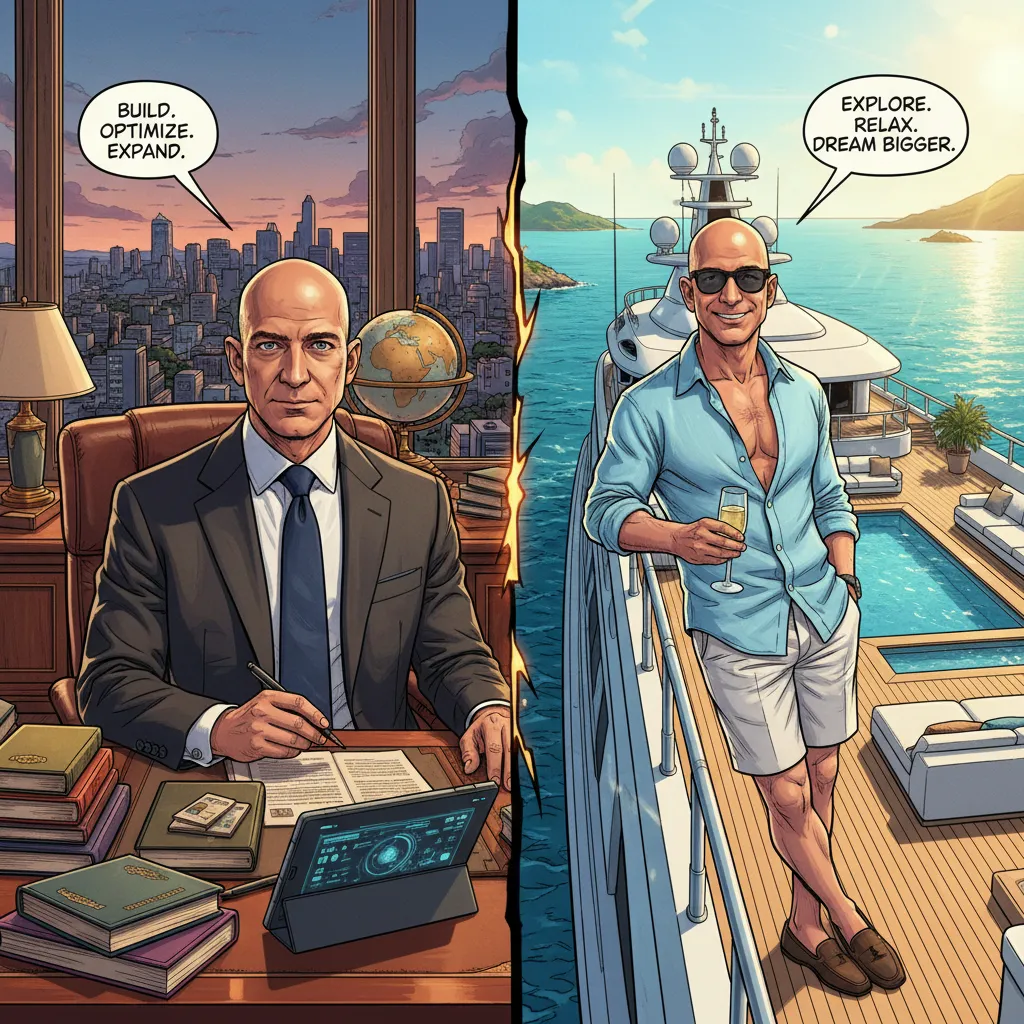
For most of his career, Bezos kept his personal life locked down. He married MacKenzie Tuttle in 1993, a year before founding Amazon. She was a Princeton grad and aspiring novelist who’d worked at D.E. Shaw, where they met. She became his first employee at Amazon — doing the books and helping pack and ship orders from the garage. Together they had four children, three biological sons and a daughter adopted from China. By all accounts, they had a rock-solid partnership that lasted twenty-five years.
Then it blew up in the most spectacularly public way imaginable.
The Divorce
In January 2019, Jeff and MacKenzie announced their divorce. But here’s the part that makes it sting: according to published reports, the details of Bezos’s relationship with Lauren Sanchez became public through the National Enquirer before the couple could fully control the narrative. While you’re the spouse of the richest man on the planet. With the entire internet watching.
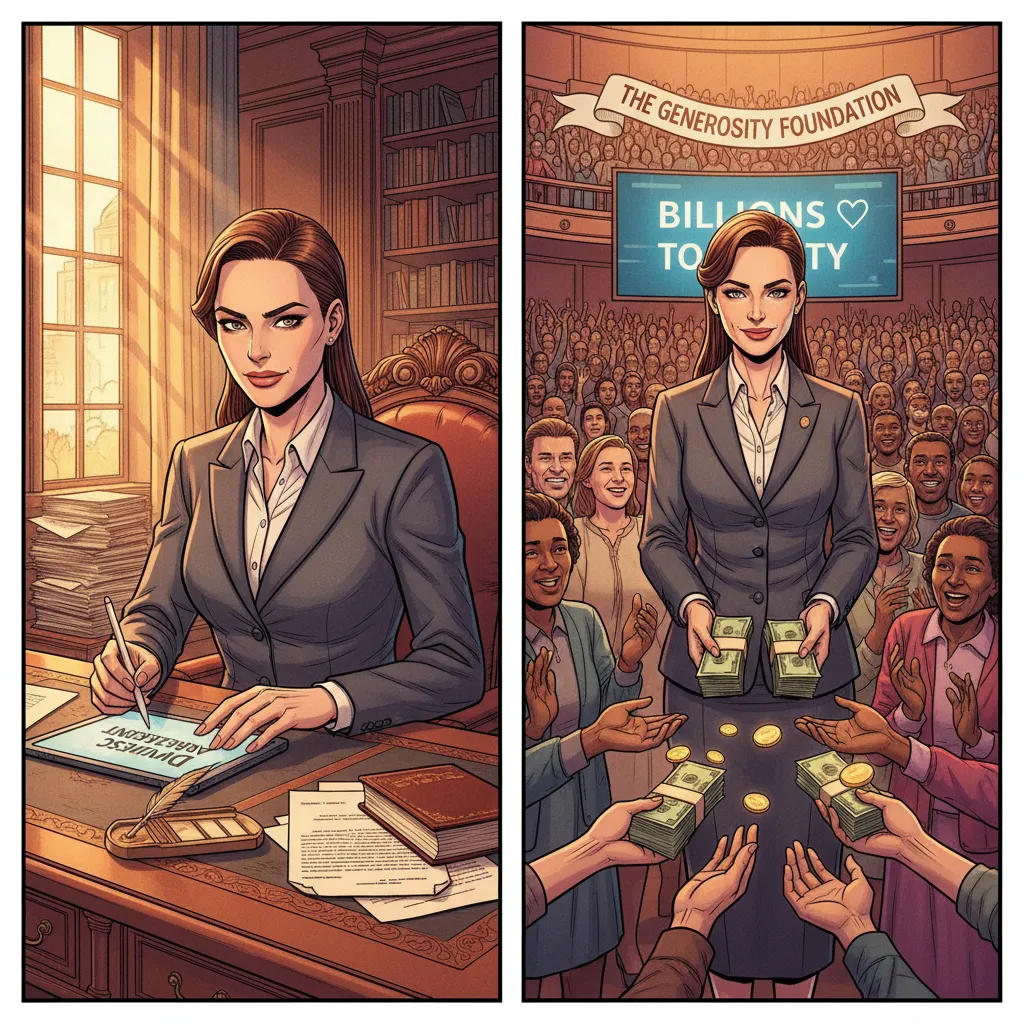
It was, by any measure, the most expensive divorce in history. MacKenzie received roughly $38 billion in Amazon stock — about 4% of the company — instantly becoming one of the wealthiest women alive.
And then MacKenzie Scott, as she became known, did something remarkable. While her ex-husband was investing in superyachts and space ventures, she started giving her fortune away at a pace that made traditional philanthropy look like it was moving through molasses. She signed the Giving Pledge and began donating at an unprecedented clip — more than $14 billion in just a few years to over 1,600 organizations, often with no strings attached, no naming rights, and no desire for a press tour. Fast, trust-based, deliberately quiet. The contrast with her ex-husband’s lifestyle was… noticeable.
Lauren Sanchez and the National Enquirer
The divorce was triggered by the public exposure of Bezos’s relationship with Lauren Sanchez, a television personality, helicopter pilot, and entertainment reporter. The National Enquirer published intimate text messages between them.
What happened next was genuinely one of the wildest sequences in modern media history.
Bezos hired private investigator Gavin de Becker to figure out how the Enquirer got his private messages. The investigation pointed toward political motivations — the Enquirer’s parent company, American Media Inc. (AMI), was closely allied with President Donald Trump, who had been publicly feuding with Bezos over The Washington Post’s unflattering coverage of his administration.
Then AMI got greedy and stupid. They tried to blackmail the richest man on Earth. AMI threatened to publish additional intimate photos — we’re talking explicit personal photos — unless Bezos publicly stated that the Enquirer’s coverage wasn’t politically motivated.
Let’s pause and appreciate this: a tabloid tried to leverage a billionaire’s private photos to make him lie about their political connections. They picked the wrong billionaire.
Bezos refused. Instead, he published the entire blackmail attempt — every email, every threat, every demand from AMI’s lawyers — in a blog post on Medium with the absolutely legendary title “No thank you, Mr. Pecker” (a reference to AMI’s CEO, David Pecker, because sometimes reality writes better comedy than any screenwriter could).
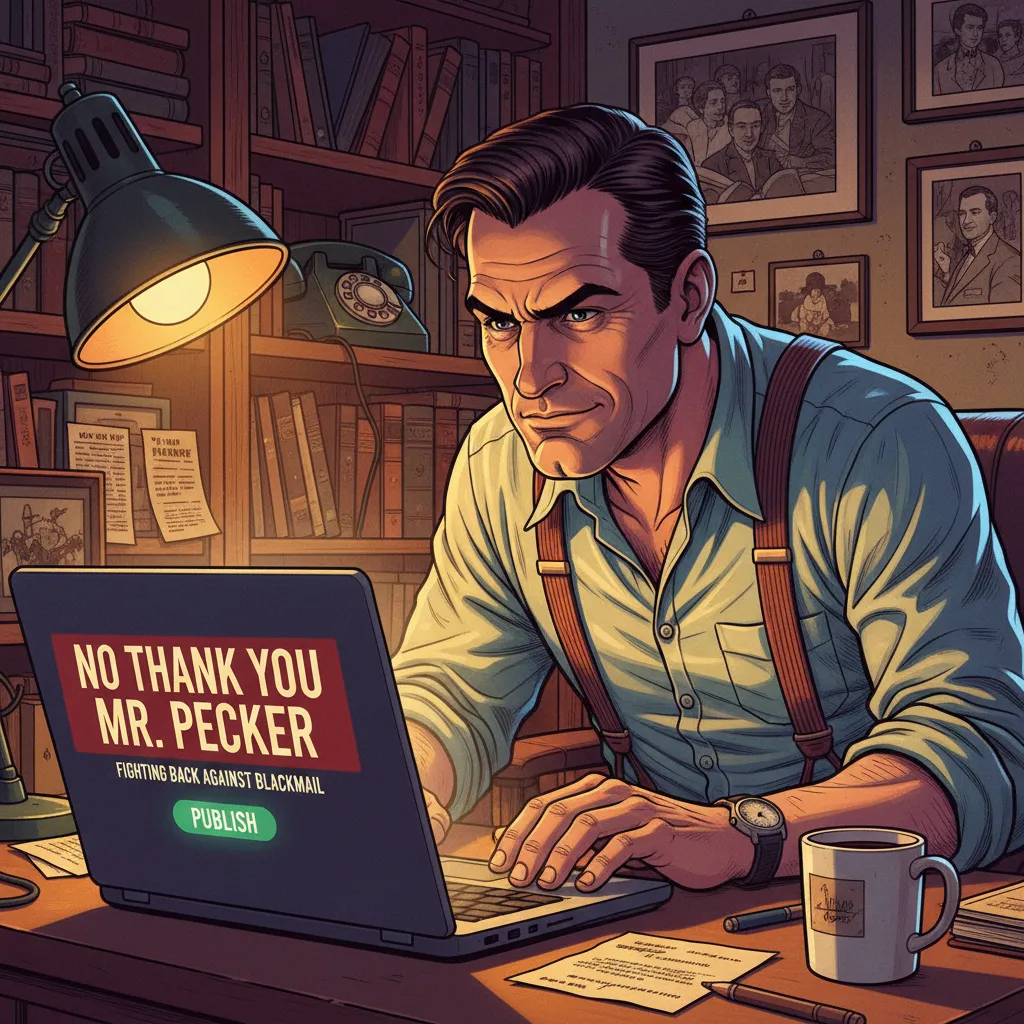
The move was outrageous. The richest man in the world voluntarily made his most embarrassing personal scandal completely public rather than bend the knee to extortion. He essentially said: “You want to publish my intimate photos? Go ahead. I’ll do it for you. Now let’s talk about why you’re really doing this.” The backlash cratered AMI, not Bezos. Pecker’s reputation was incinerated. The Enquirer’s already-threadbare credibility vanished entirely.
Say whatever you want about Jeff Bezos, but the man has titanium-grade nerve.
Bezos and Lauren Sanchez got engaged in 2023 and have since become one of the most photographed couples on the planet — frequently spotted on Bezos’s $500 million superyacht, which is so absurdly large it required a support yacht to accompany it. Yes. A yacht for the yacht. At some point, wealth stops being a number and becomes performance art.
⚠️ Chapter 11: Controversies — The Cost of the Everything Store

Look, you can’t build the Everything Store without breaking some things — and some people. The criticisms of Amazon are numerous, well-documented, and ongoing. Here’s what you need to know.
Warehouse Conditions
Amazon’s fulfillment centers are engineering marvels. They’re also, according to numerous investigations by journalists, labor advocates, and government agencies, among the most punishing workplaces in corporate America. Those investigations — by outlets including The New York Times, The Verge, and the Strategic Organizing Center — have documented:
- Workers walking 10 to 15 miles per day through warehouse aisles
- Injury rates significantly higher than the industry average — in some facilities, reportedly more than double, according to OSHA data
- Algorithmically enforced performance targets so relentless that workers reportedly get penalized for taking bathroom breaks
- Multiple reports of workers urinating in bottles because leaving their station would tank their rate metrics
- Reports of workers wearing diapers during peak periods like Prime Day
- Allegations of extreme heat in facilities where adequate climate control was reportedly insufficient
Amazon initially denied the bottle claims. Then photos surfaced. Then internal documents surfaced. Amazon subsequently acknowledged the issue in a 2021 blog post and said it was working to improve conditions.

The company points to its $15 minimum wage (raised before the federal minimum required it), benefits packages, and investments in workplace safety. And to be fair, Amazon does pay more than many retail and warehouse competitors. But the gap between “we pay $15 an hour” and “our workers can’t take bathroom breaks” is a canyon you could drive a Prime delivery van through.
Anti-Union Efforts
In 2021 and 2022, Amazon faced its first serious unionization efforts, and the company’s response was, by many accounts, aggressive. At a warehouse in Bessemer, Alabama, Amazon deployed what labor organizers and the NLRB described as a comprehensive anti-union campaign: mandatory meetings where managers explained why unions were unnecessary, anti-union messaging posted in bathroom stalls (so you’d literally think about it while you peed), and — in a move that drew significant criticism — successfully petitioning the USPS to install a mailbox on company property to collect union ballots, which critics and the NLRB’s regional director argued was designed to make workers feel surveilled.
The first Bessemer vote went Amazon’s way. But in 2022, workers at a Staten Island warehouse (JFK8) voted to form the Amazon Labor Union, led by Chris Smalls — a former Amazon employee who’d been fired after organizing a walkout over COVID-19 safety. An internal Amazon memo, obtained by Vice News, reportedly described a strategy to make Smalls “the face of the entire union/organizing movement” because executives considered him “not smart or articulate.” Amazon has not denied the memo’s authenticity. Smalls then beat Amazon in the most consequential union vote in a generation. Not smart or articulate enough for you?
Amazon has since challenged the results and stalled contract negotiations. The fight continues.
Tax Avoidance
In 2017 and 2018, Amazon paid zero federal income tax — on $11 billion in profit, according to analyses by the Institute on Taxation and Economic Policy. Zero. The world’s most valuable company, run by the world’s richest man, paid less in federal income tax than a teacher making $55,000 a year. Amazon used a perfectly legal cocktail of tax credits, stock-based compensation deductions, and reinvestment write-offs to zero out its bill. Legal? Yes. A great look? Absolutely not.
Antitrust Concerns
Amazon’s dominance has drawn regulatory heat worldwide, and the core issue is genuinely troubling: Amazon runs the marketplace and competes as a seller on that marketplace. Imagine if the company that owns the mall could also see exactly which stores are selling what, how much they’re charging, and which products are hot — and then open its own store selling cheaper knockoffs of the best stuff. That’s the accusation, as detailed in the FTC’s complaint and in reporting by the Wall Street Journal.
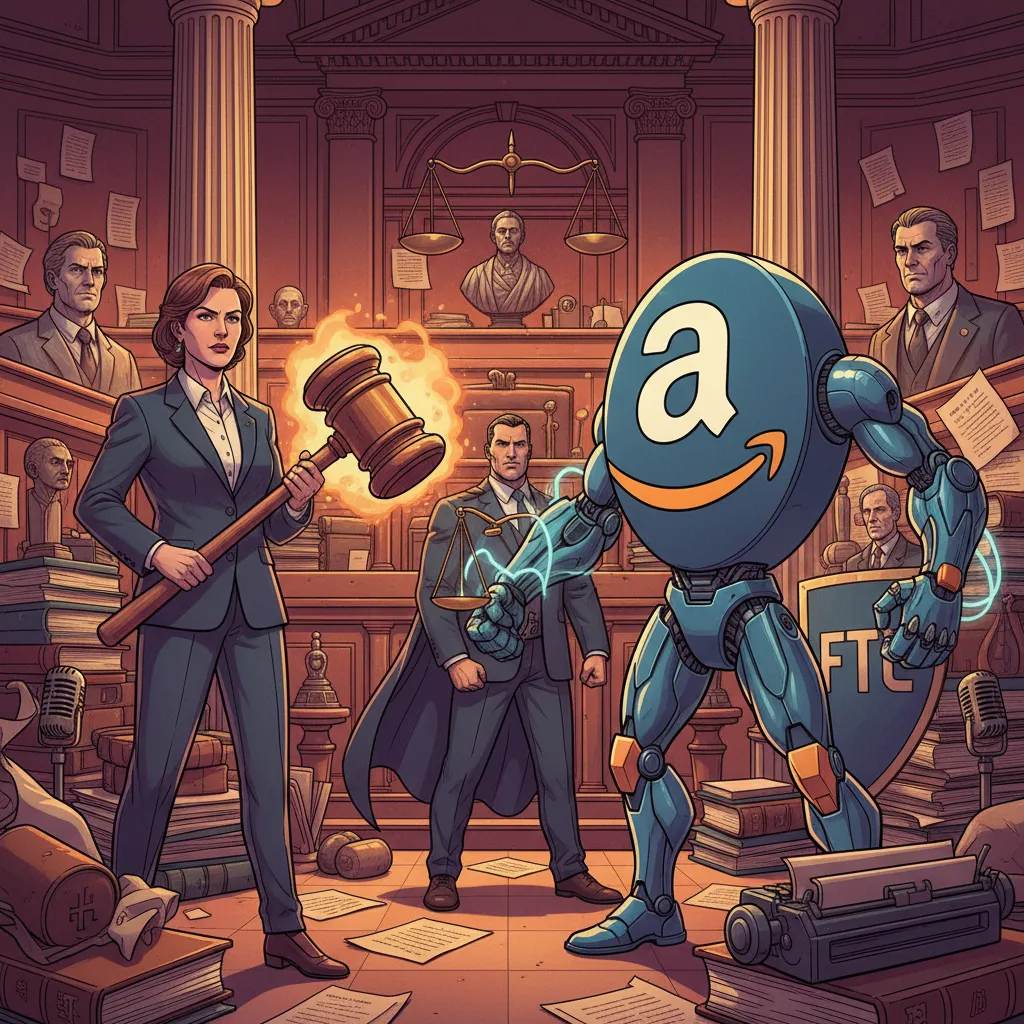
The FTC, led by Chair Lina Khan — who literally built her career on a 2017 Yale Law Review article called “Amazon’s Antitrust Paradox” — filed a landmark antitrust lawsuit against Amazon in September 2023. The case remains ongoing and could reshape how platform companies operate for decades.
Small Business Impact
Amazon’s rise has coincided with the closure of tens of thousands of small retailers across the country. Bookstores, toy stores, electronics shops, and general merchandise stores have been gutted as consumer spending shifted online. Did Amazon cause this, or did it just accelerate an inevitable shift? Reasonable people disagree. But if you’ve watched your local downtown hollow out over the past twenty years, Amazon is at minimum a leading suspect.
👑 Chapter 12: Stepping Down and the Legacy of Wealth (2021–Present)
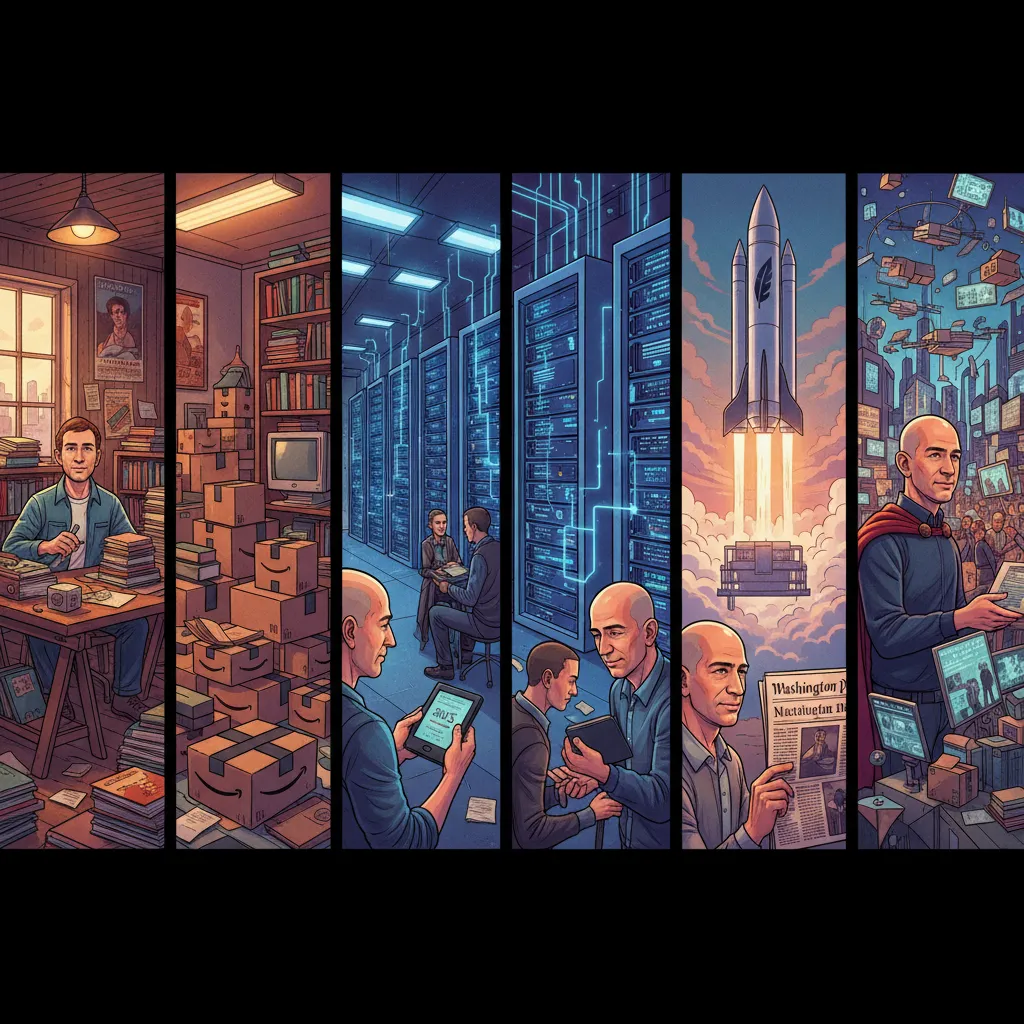
On July 5, 2021 — exactly twenty-seven years after founding Amazon — Bezos stepped down as CEO. He handed the keys to Andy Jassy, the guy who’d built AWS from an internal project into a $100 billion juggernaut. Bezos kept the title of Executive Chairman and remained Amazon’s biggest individual shareholder. He wasn’t gone. He was just… ascending.
The Richest Man on Earth
Between 2017 and 2025, Bezos has repeatedly held the title of the world’s wealthiest human being, with a net worth exceeding $200 billion. Most of it is Amazon stock, though he’s sold tens of billions over the years to fund Blue Origin and other ventures.
Here’s a number that will break your brain: if Bezos spent $1 million every single day, it would take him over 500 years to spend his fortune. And that’s without any returns on investment. His wealth isn’t a number anymore — it’s a geological formation.
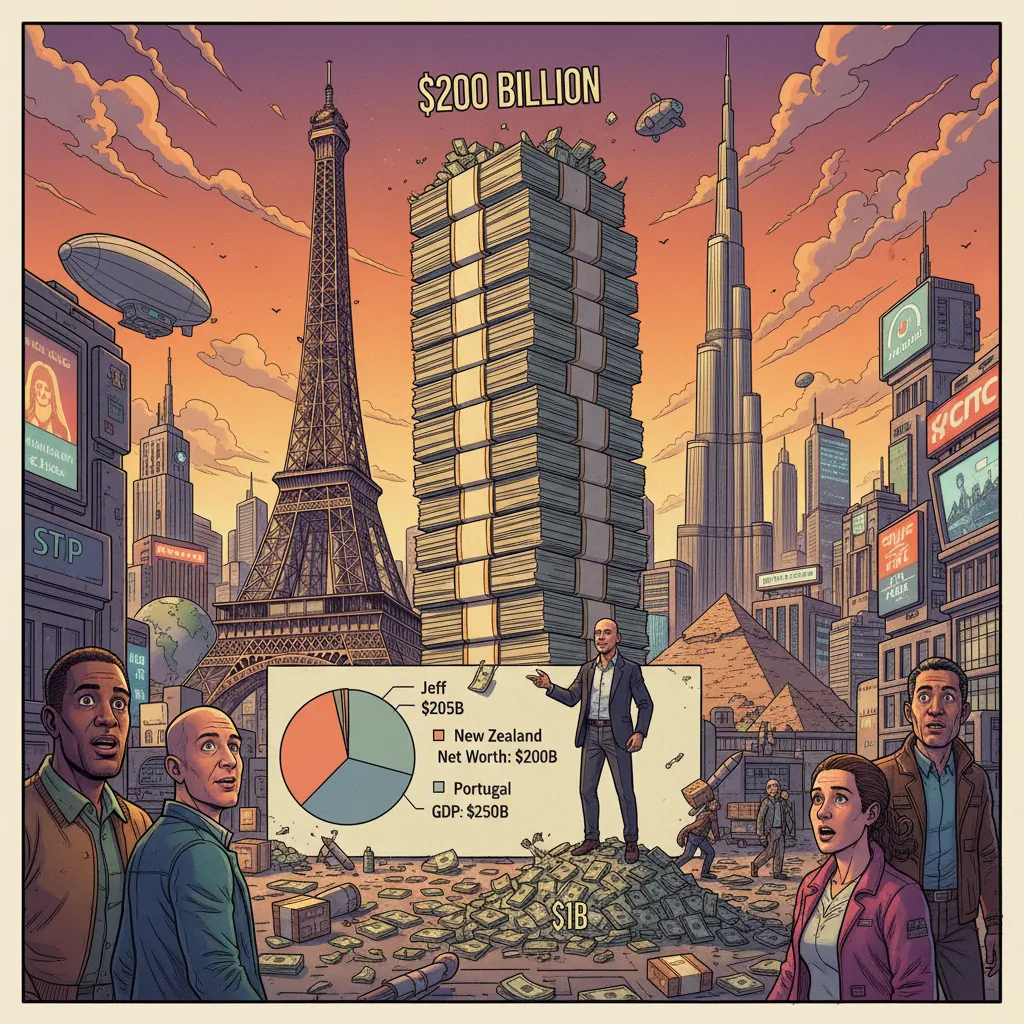
And what does post-CEO Bezos do with this unfathomable wealth? He transformed himself from a geeky bald bookworm into a jacked, yacht-hopping, cowboy-hat-wearing billionaire who looks like the final boss in a video game about capitalism. The internet noticed. The memes wrote themselves.
What He’s Doing Now
Since stepping down, Bezos has focused on:
- Blue Origin — chasing his lifelong space dream, with the New Glenn orbital rocket now flying and contracts to build NASA’s Artemis lunar lander
- The Bezos Earth Fund — a $10 billion commitment to fight climate change (announced 2020)
- The Washington Post — continuing to shape the paper’s digital strategy
- The Day One Fund — focused on homelessness and early childhood education, with over $2 billion committed
- Living his best life — superyachts, superyacht support yachts, Lauren Sanchez, and a move from Seattle to Miami (for tax purposes, naturally — Florida has no income or estate tax)
The Bezos Philosophy
Strip away the controversies and the yacht photos, and Bezos’s worldview distills to a few core ideas:
Customer obsession over competitor focus. Most companies watch what their rivals are doing and try to out-execute them. Bezos thinks that’s backwards. Focus on the customer and you’ll invent things nobody else has thought of. Focus on competitors and you’ll always be playing catch-up.
Long-term thinking. Bezos makes decisions based on where the world will be in seven years, not seven months. This is how he invested in AWS years before the cloud market existed, launched Prime when the per-unit economics seemed suicidal, and endured a full decade of Wall Street mockery about profitability. He was playing a different game on a different timescale, and by the time everyone else figured that out, the race was over.
Embrace failure. Amazon has had spectacular face-plants — the Fire Phone ($170 million write-down), Amazon Auctions, zShops, Amazon Destinations, and plenty more. Bezos considers these the unavoidable tax you pay for inventing things. If you know something will work before you try it, it’s not really an experiment.
“If the size of your failures isn’t growing, you’re not going to be inventing at a size that can actually move the needle.” — Jeff Bezos
Disagree and commit. Bezos popularized this one, and it’s genuinely useful. When a team can’t reach consensus, a leader says: “I disagree, but I commit. Let’s do it your way and I’ll give it everything.” It kills endless debate without killing anyone’s ideas. More companies should steal this.
🔭 Chapter 13: The Measure of the Man
So what do you do with Jeff Bezos?
He took one simple insight — the internet is growing insanely fast, and books have more titles than anything else — and over thirty years, turned it into a company that touches nearly every corner of modern life. You buy from Amazon. You watch Amazon. You store your data on Amazon. Your favorite apps run on Amazon’s servers. Your packages arrive in Amazon’s trucks. Alexa is listening in your kitchen.
The scope of what he built is staggering. But so is the wreckage in the wake — the warehouse workers reportedly pushed past their physical limits, the small businesses that struggled to compete, the communities that saw their retail cores hollow out, the labor organizers fought at every turn.
Bezos is not a simple figure, and anyone who tells you he is — hero or villain — is selling you something. He’s a man who obsesses over customer experience and presides over warehouses with what OSHA data shows are elevated injury rates. A man who pledges $10 billion to fight climate change while jetting around on a $65 million Gulfstream. A man who had the audacity to publish his own blackmail rather than submit to a tabloid, and who has aggressively opposed unionization efforts at every turn. A man whose ex-wife responded to their divorce by giving away $14 billion while he bought a yacht that needs its own yacht.
He is, like all moguls, a bundle of contradictions held together by extraordinary willpower and a vision so massive it bent the world toward it.
But here’s what’s undeniable: a kid from Albuquerque, raised by a teenage mother and a Cuban immigrant stepfather, tinkered with electronics in a garage, drove cross-country with a laptop and a dream, and built a machine that fundamentally changed how humanity buys, reads, watches, computes, and imagines its future.
Whether that makes him a visionary or a cautionary tale probably says more about you than it does about him.
It’s still Day 1.
📅 Timeline
| Year | Age | Event |
|---|---|---|
| 1964 | 0 | Born Jeffrey Preston Jorgensen in Albuquerque, New Mexico |
| 1968 | 4 | Mother marries Miguel Bezos; Jeff is adopted and takes his name |
| 1982 | 18 | Graduates as valedictorian from Palmetto Senior High; enters Princeton |
| 1986 | 22 | Graduates Princeton summa cum laude in computer science and electrical engineering |
| 1990 | 26 | Becomes youngest-ever senior VP at D.E. Shaw & Co. |
| 1993 | 29 | Marries MacKenzie Tuttle |
| 1994 | 30 | Quits D.E. Shaw; drives cross-country to Seattle; begins building Amazon in a garage |
| 1995 | 31 | Amazon.com launches on July 16; sells books in all 50 states within 30 days |
| 1997 | 33 | Amazon IPO at $18/share; publishes first shareholder letter (“It’s still Day 1”) |
| 1999 | 35 | Named Time Person of the Year; Amazon stock hits $100+ |
| 2000 | 36 | Founds Blue Origin; dot-com crash sends Amazon stock below $6 |
| 2001 | 37 | Amazon posts first quarterly profit ($5M) |
| 2005 | 41 | Launches Amazon Prime at $79/year |
| 2006 | 42 | Launches Amazon Web Services (S3 and EC2) |
| 2007 | 43 | Releases the Kindle e-reader |
| 2013 | 49 | Personally purchases The Washington Post for $250M |
| 2014 | 50 | Launches Amazon Echo with Alexa voice assistant |
| 2017 | 53 | Acquires Whole Foods for $13.7B; becomes world’s richest person |
| 2018 | 54 | Amazon reaches $1 trillion market cap; Bezos net worth tops $150B |
| 2019 | 55 | Divorce from MacKenzie ($38B settlement); National Enquirer blackmail attempt |
| 2020 | 56 | Announces $10B Bezos Earth Fund for climate change |
| 2021 | 57 | Flies to space on New Shepard; steps down as Amazon CEO; Andy Jassy takes over |
| 2022 | 58 | Amazon Labor Union formed at Staten Island warehouse |
| 2023 | 59 | FTC files landmark antitrust lawsuit against Amazon; engaged to Lauren Sanchez |
| 2025 | 61 | Net worth exceeds $200B; Blue Origin’s New Glenn begins orbital flights |
💡 Key Insights
- ▸ Bezos didn't stumble into e-commerce — he methodically identified the internet's growth rate (2,300% per year in 1994), listed 20 product categories, and chose books because they had more SKUs than any other product on Earth. The founding of Amazon was an act of quantitative analysis, not entrepreneurial romance.
- ▸ AWS — now a $100B+ annual business and the backbone of half the internet — started because Amazon needed to solve its own infrastructure problems. The most transformative products often begin as internal tools built out of necessity.
- ▸ Bezos banned PowerPoint inside Amazon and replaced it with six-page narrative memos read in silence at the start of every meeting. His reasoning: slides let presenters hide behind bullet points. Prose forces clear thinking. The format you choose for communication shapes the quality of the decisions it produces.
- ▸ The 'regret minimization framework' — imagining yourself at 80 and asking which choice you'd regret not taking — is deceptively simple. But it cut through every rational argument Bezos's boss at D.E. Shaw made about why he should stay. Sometimes the right decision framework isn't the most sophisticated one. It's the one that bypasses your fear.
- ▸ Bezos spent the first decade of Amazon being mocked by Wall Street for refusing to show profits. His secret: he was pouring every dollar back into infrastructure, logistics, and AWS. By the time competitors understood his strategy, Amazon had built a moat so wide it was essentially uncatchable.
Sources
- Brad Stone — The Everything Store: Jeff Bezos and the Age of Amazon ↗
- Brad Stone — Amazon Unbound: Jeff Bezos and the Invention of a Global Empire ↗
- Bloomberg Billionaires Index — Jeff Bezos ↗
- Amazon SEC Filings — Annual Reports and Shareholder Letters ↗
- Walter Isaacson — Invent and Wander: The Collected Writings of Jeff Bezos ↗
- The Washington Post — Bezos Acquisition and Ownership ↗