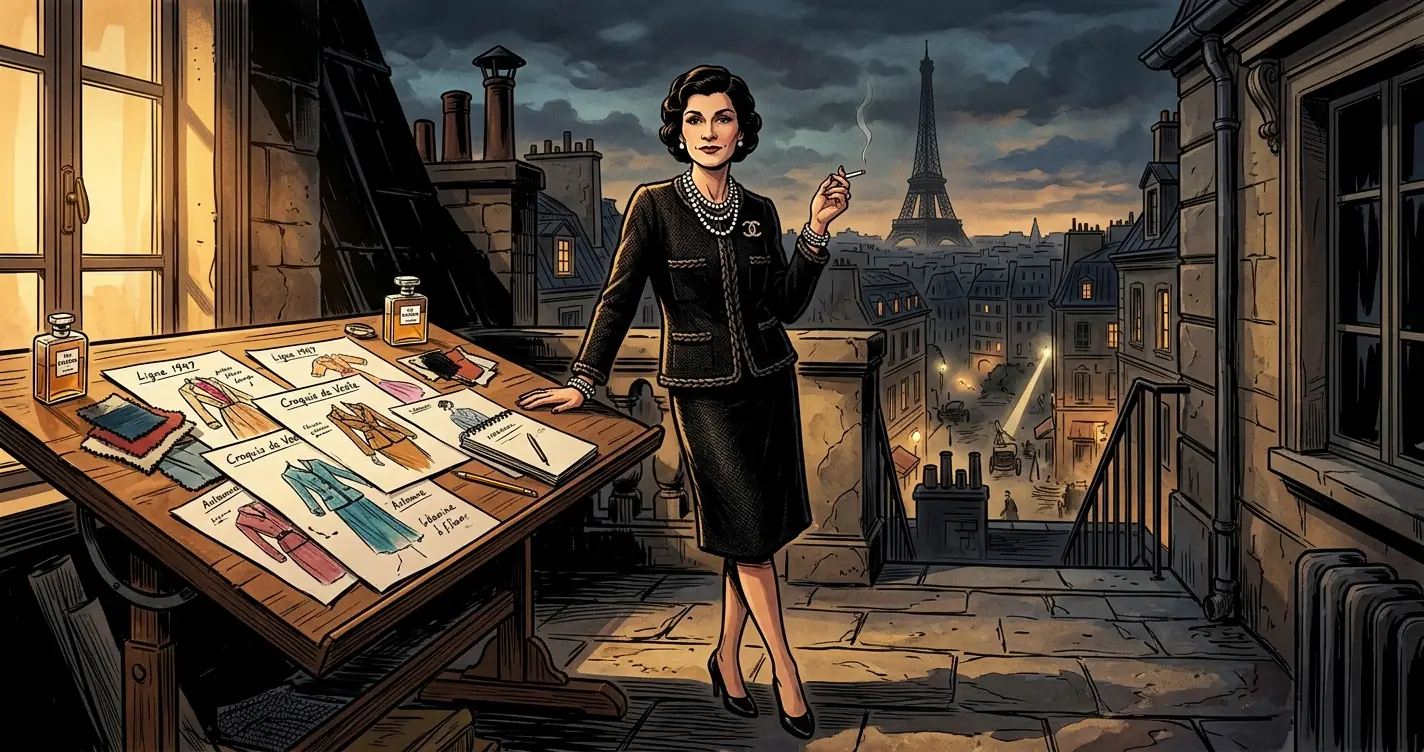
Coco Chanel: From Orphan to Fashion's Greatest Name
Abandoned by her father at age 12, raised in a convent, dismissed by society as a nobody — Gabrielle 'Coco' Chanel didn't just break into the fashion world. She burned it down and rebuilt it in her image. This is the story of how a penniless orphan from rural France created the most iconic luxury brand in history.
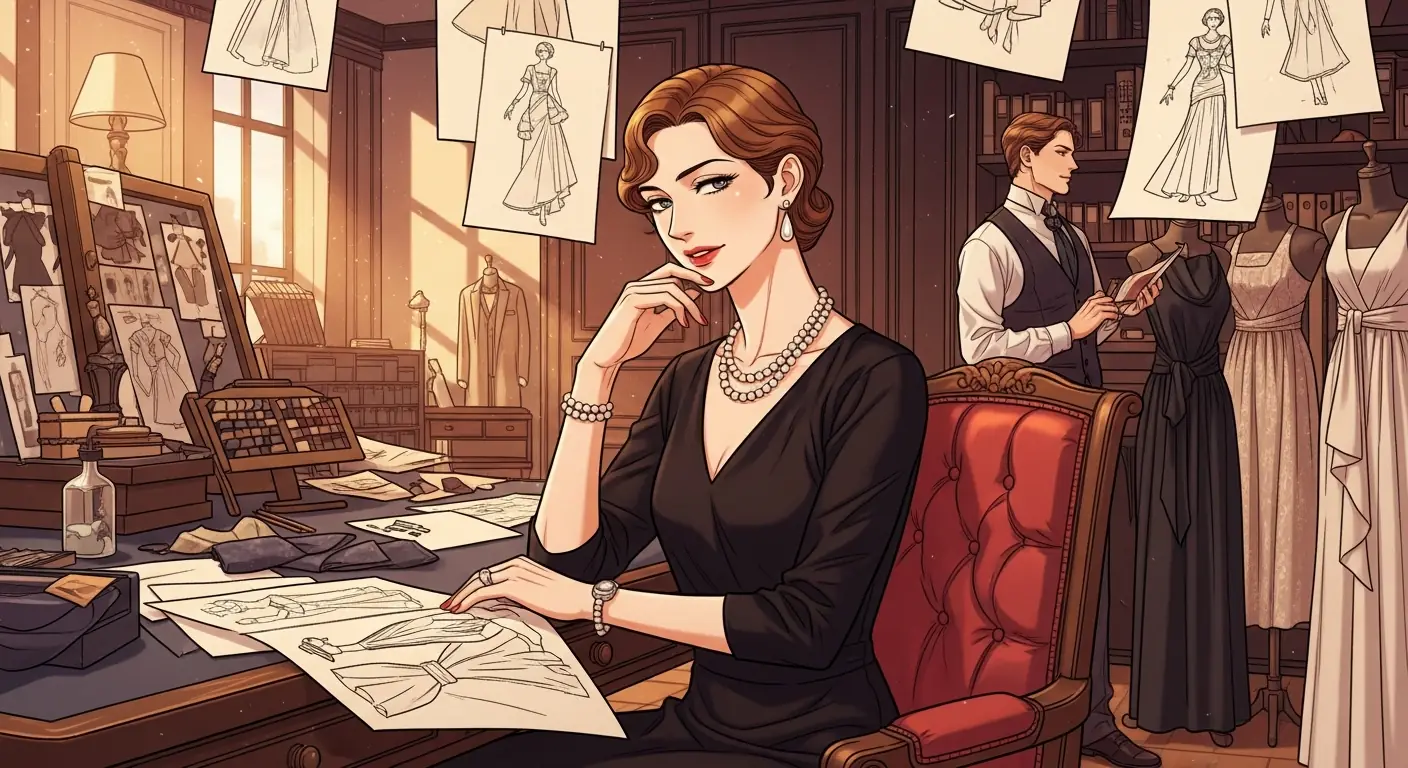
View all stories about this mogul
🏚️ Chapter 1: The Orphan
The story Coco Chanel told the world about her childhood was a lie. A beautiful, carefully constructed, strategically maintained lie.
In Chanel’s version, she was raised by two maiden aunts who taught her to sew in a comfortable provincial home. The reality was far uglier. Gabrielle Bonheur Chanel was born on August 19, 1883, in a poorhouse in Saumur, France. Her mother, Eugenie, was a laundrywoman. Her father, Albert, was an itinerant street vendor.
The family lived in poverty. Albert was rarely present. Eugenie died of tuberculosis in 1895 at age 32. Gabrielle was 12.
Albert drove his three daughters to the Aubazine abbey — a Catholic orphanage — and never came back. Not the next week. Not ever.
“I lost my mother when I was twelve. My father left me in an orphanage and disappeared. After that, everything else was just weather.”
The orphanage gave Gabrielle two invaluable things: sewing skills from the nuns and an aesthetic sensibility shaped by the abbey’s austere beauty. The Aubazine abbey was a 12th-century Cistercian monastery — all clean lines, geometric patterns, and unadorned stone. No ornament. No excess. Just structure and simplicity.
If that sounds like Chanel’s design philosophy, it should. The orphanage she spent a lifetime denying was the source code of her entire aesthetic.
🎭 Chapter 2: The Singer and the Soldiers
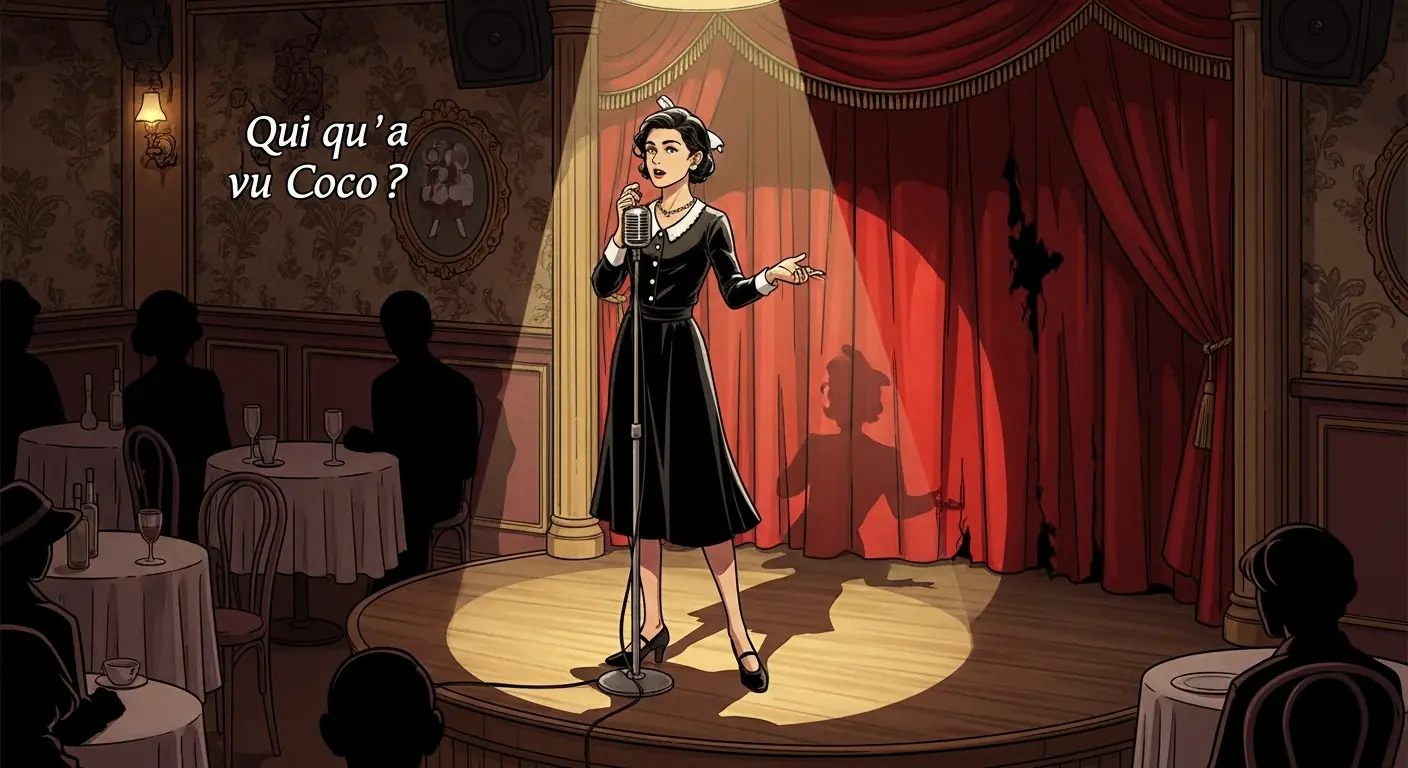
Gabrielle left the orphanage at 18 and found work as a seamstress in Moulins, a garrison town. By night, she sang at a local cabaret. She had two songs in her repertoire, including “Qui qu’a vu Coco?” about a lost dog. The soldiers started calling her “Coco.”
The name stuck. The singing career didn’t. But the cabarets gave her something more valuable: access to men with money.
Her first significant patron was Etienne Balsan, a wealthy textile heir. Through Balsan, she met Arthur “Boy” Capel — a wealthy English polo player who became the love of her life. Capel recognized her talent and financed her first shop.
“These women were wearing corsets that prevented them from breathing, hats that required an engineering degree, and dresses that weighed more than they did. I looked at them and thought: I can do better.”
Boy Capel was the invisible co-founder of the Chanel empire. Without his money and connections, Coco Chanel might have remained a seamstress. When he died in a car accident in 1919, she was devastated.
“I lost everything when I lost Boy,” she told a friend. “After that, nothing could touch me.”
✂️ Chapter 3: The Revolution
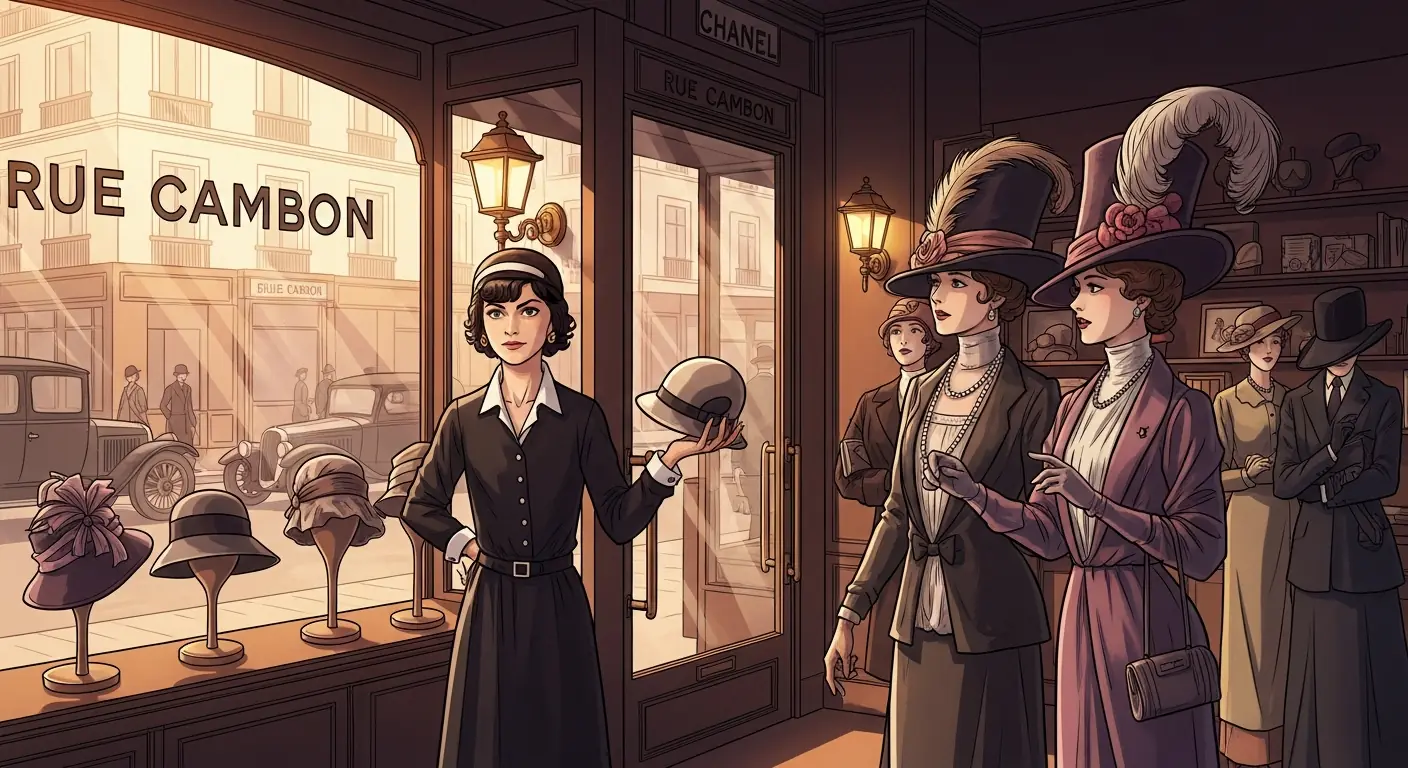
Chanel opened her first hat shop on the rue Cambon in Paris in 1910. Her hats were different — simple, clean, elegant — in an era of towering ornate confections.
With Capel’s backing, she expanded to Deauville (1913) and Biarritz (1915), where she began designing clothes. She used jersey — a stretchy knit traditionally used for men’s underwear. Nobody made women’s clothing from jersey. Chanel didn’t care. It was comfortable, it draped beautifully, and it moved with the body.
“I make fashion from what I want to wear. I hate corsets. I hate enormous hats. I hate being unable to move. So I make clothes that let women move. Is that so radical?”
It was incredibly radical. Chanel was proposing a complete overthrow of how women dressed. For centuries, women’s fashion had been designed around restriction. Chanel reversed the equation entirely, prioritizing the wearer over the spectator.
The timing was perfect. World War I had disrupted gender roles. Women working in factories needed clothes that allowed them to move. Chanel provided exactly that.
By the war’s end, she had repaid Capel’s loans and was financially independent for the first time. She was 35.
👗 Chapter 4: The Little Black Dress and Chanel No. 5
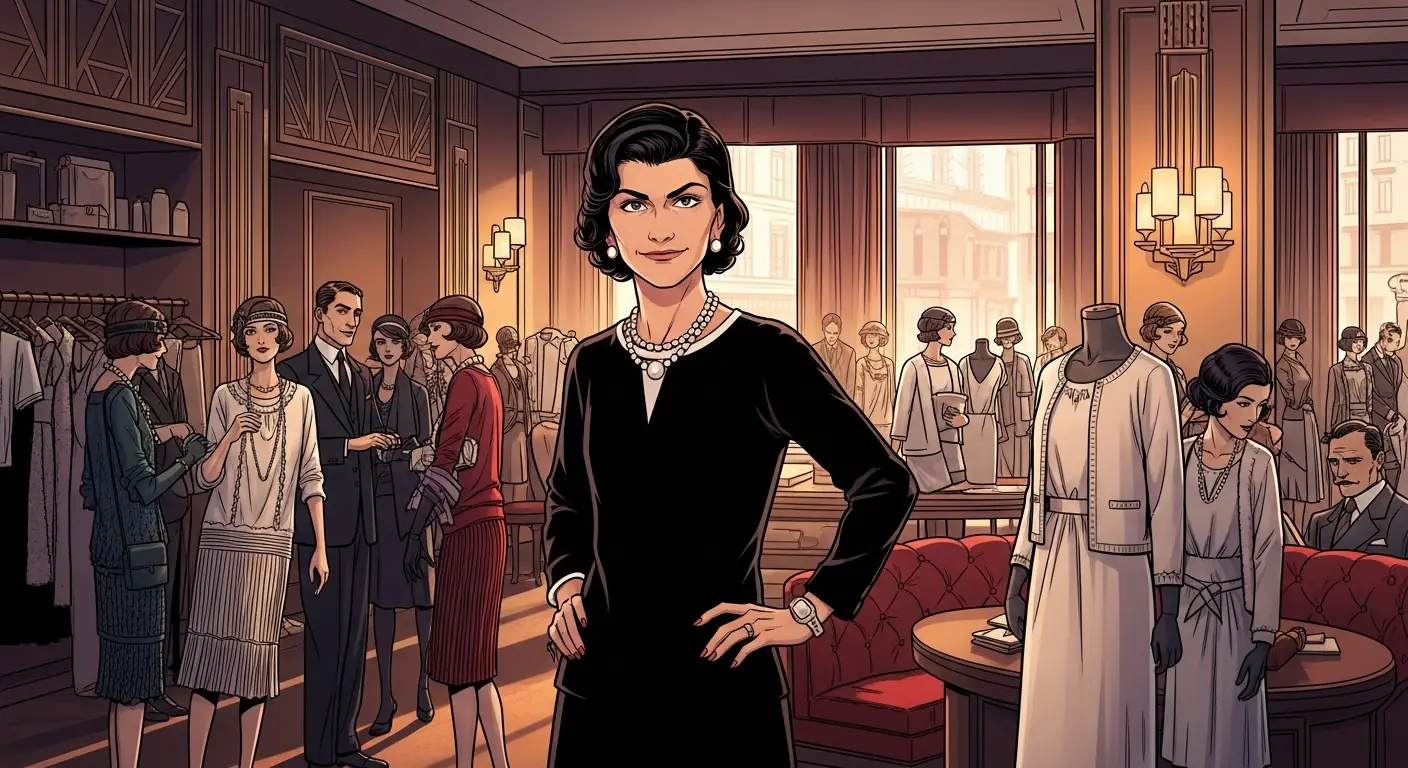
The 1920s were Chanel’s decade.
She introduced the “little black dress” in 1926 — Vogue called it “the Ford of fashion.” Before Chanel, black was the color of mourning. After Chanel, black was the color of everything.
She introduced the Chanel suit. She popularized costume jewelry. And in 1921, she launched Chanel No. 5.
“I wanted to give women a perfume that smelled like a woman, not like a flower.”
Created by Ernest Beaux, Chanel No. 5 was the first perfume to use aldehyde compounds significantly, creating an abstract scent unlike anything on the market. The name came from the fifth sample presented. It became the best-selling perfume in the world.
The business model was brilliant: clothing provided prestige and aspiration; perfume provided profits and accessibility. You might not afford a $5,000 suit, but you could afford a $100 bottle of No. 5. This model — luxury goods subsidized by accessible luxury accessories — became the template for every major fashion house.
🌑 Chapter 5: The Collaboration
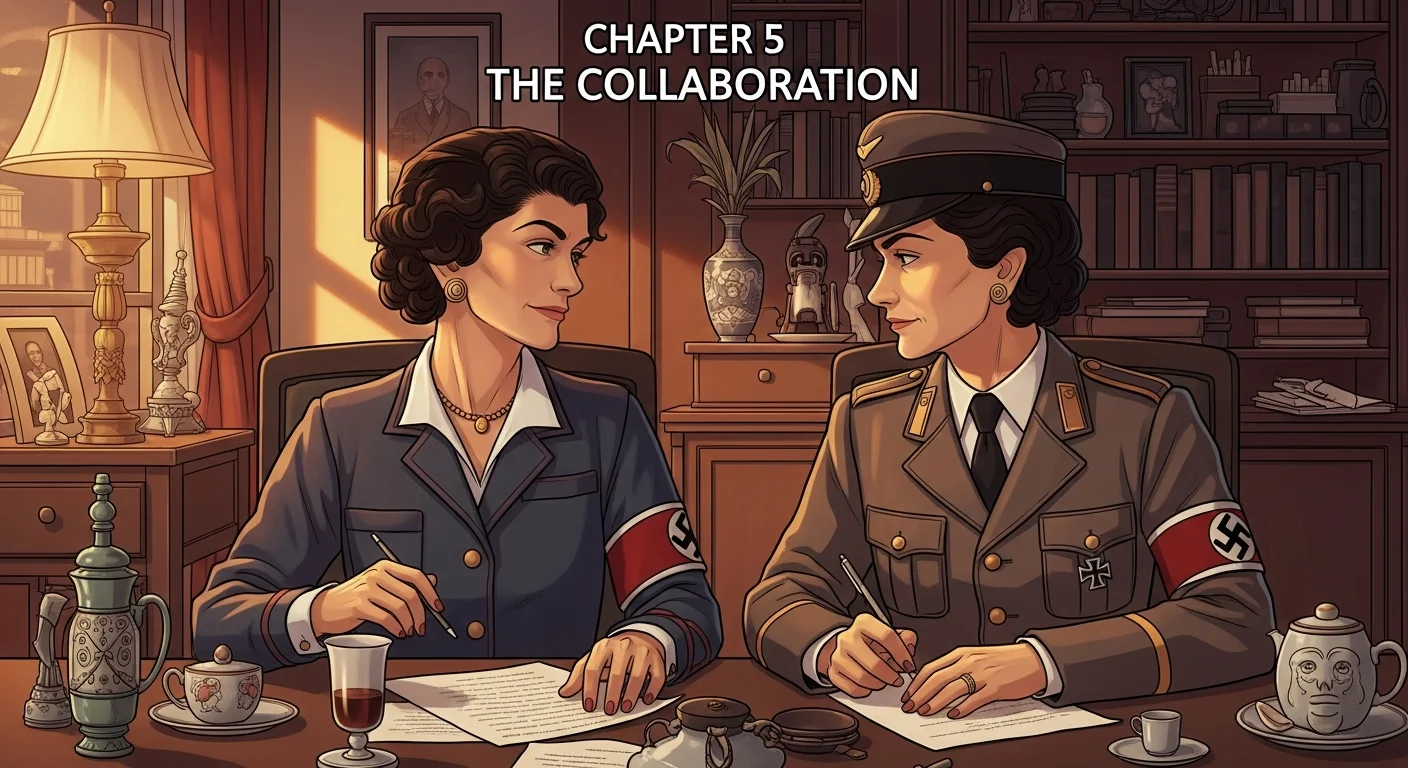
During World War II, Chanel had a romantic relationship with Baron Hans Gunther von Dincklage, a German intelligence officer. Documents uncovered decades later suggest she was assigned agent number F-7124 by German military intelligence, code name “Westminster.”
The extent of her activities is debated, but she participated in at least one mission: “Operation Modellhut,” an attempt to open peace negotiations with Britain through Churchill.
When Paris was liberated, Chanel was briefly detained but released — reportedly after Churchill’s intervention. She fled to Switzerland and remained in exile for 15 years while other French women who had relationships with German soldiers were publicly humiliated.
“Chanel’s wartime activities remain controversial because the full truth has never been established. What is clear is that she had a relationship with a German officer and was registered by German intelligence.”
This period is the great dark stain on Chanel’s legacy.
🔄 Chapter 6: The Comeback
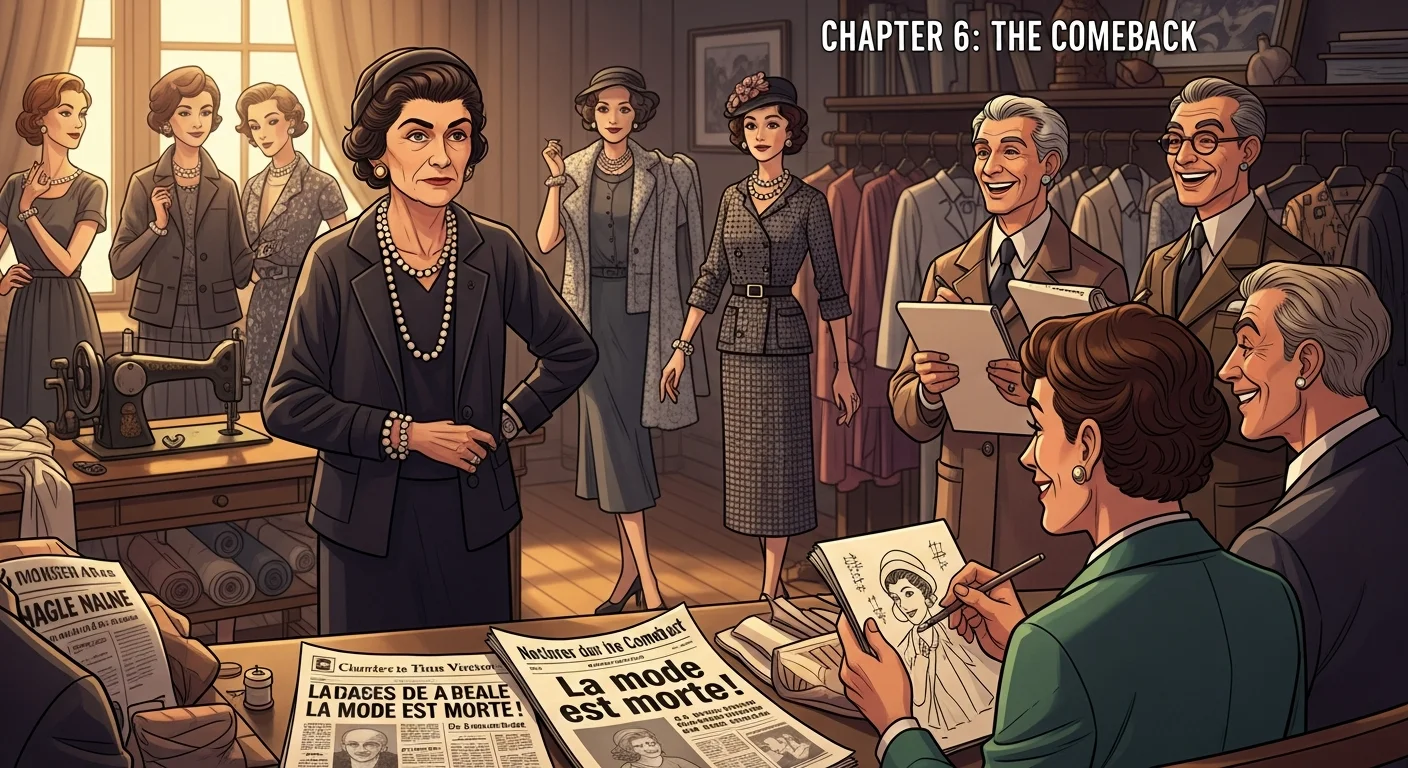
In 1954, at age 71, Chanel came back. The initial French reviews were savage. But American editors loved her designs. Within two years, she was back on top.
Jackie Kennedy was wearing a pink Chanel suit on the day President Kennedy was assassinated — one of the most famous photographs of the 20th century.
Chanel worked through her 70s and 80s, maintaining absolute creative control. She died on January 10, 1971, at the Ritz Hotel in Paris at age 87, having worked on her spring collection until the day before.
“Fashion passes. Style remains. I don’t design for fashion editors. I design for women who want to look elegant and feel comfortable.”
💎 Chapter 7: The Empire After Coco
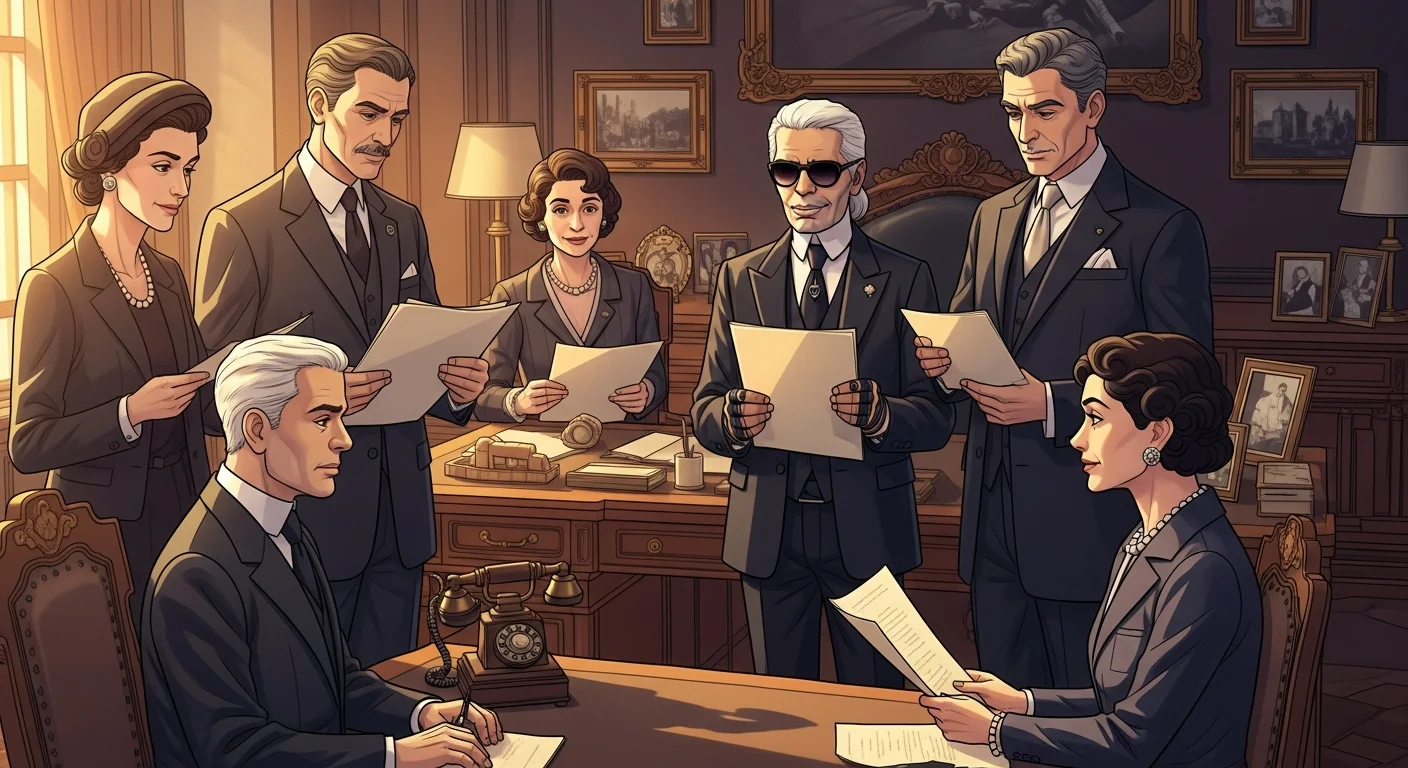
The Wertheimer family — Chanel’s business partners since 1924 — took full control after her death. They hired Karl Lagerfeld as creative director in 1983.
Lagerfeld understood Chanel’s codes — the tweed, the chains, the camellias — and reinterpreted them for each generation. Under his direction (until his death in 2019), Chanel grew into a global luxury empire with estimated revenue exceeding $17 billion.
After Lagerfeld, Virginie Viard maintained momentum. The Wertheimer family remained sole owners, with combined wealth estimated at over $90 billion.
Chanel refused to sell online, maintaining that the boutique experience was inseparable from the brand. The iconic Classic Flap bag increased from $2,500 in 2010 to over $10,000 by 2024. Each price increase drove more demand, not less.
“Luxury is not about having things. It’s about the experience of having things. If you can buy a Chanel bag with the same click you use to buy toilet paper, it stops being luxury.”
🪞 Chapter 8: The Myth vs. The Woman
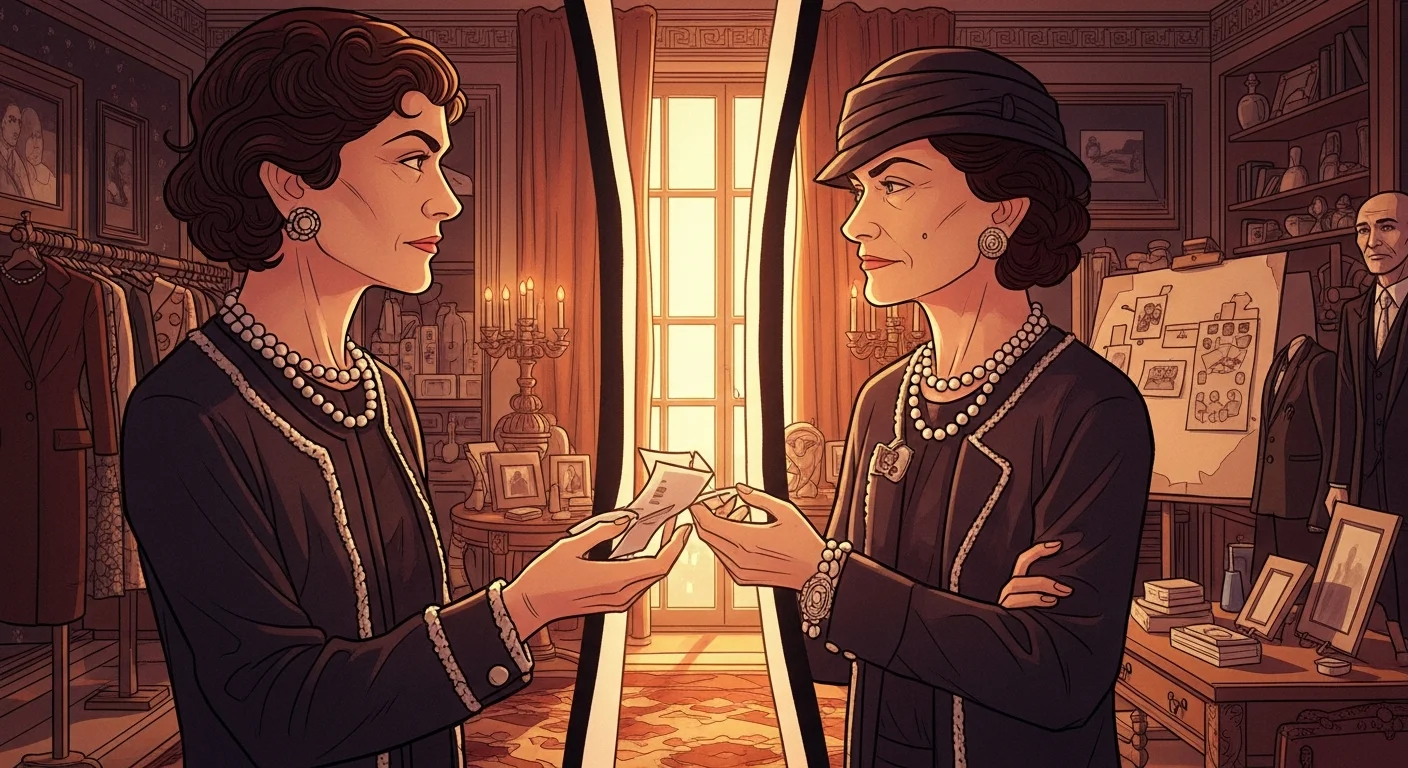
The gap between the Chanel myth and reality is vast.
The myth: a visionary who emerged from modest circumstances through pure talent. The reality: an orphan who used wealthy lovers, collaborated with Nazis, spent decades in legal wars with partners, and fabricated her personal history.
Both versions are true. And that’s what makes the story fascinating.
Chanel understood that a luxury brand requires a luxury mythology. The truth would have undermined the aspiration. She chose the brand over the truth.
The feminist dimension is equally complex. She liberated women from corsets and was a self-made businesswoman in an era of near-zero female economic power. But she also depended on wealthy men and collaborated with an occupying enemy.
“Chanel understood something most people don’t: the story IS the product. Nobody pays $10,000 for a bag because of the leather. They pay for the story, the history, the mythology.”
🏆 Chapter 9: The Legacy
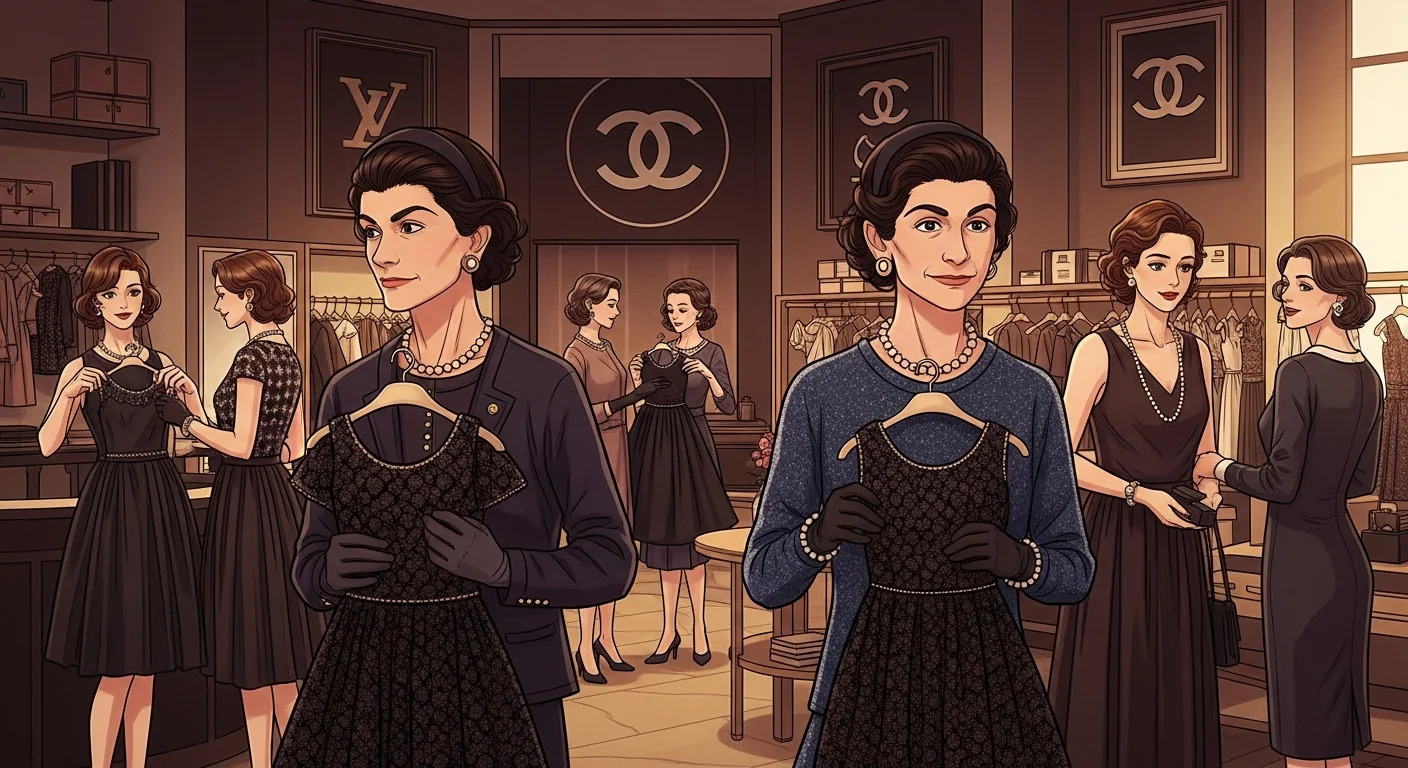
More than fifty years after her death, Chanel’s influence is undiminished. Every little black dress owes something to her. Every luxury brand using accessible products to fund exclusive ones follows her playbook.
The brand generates over $20 billion in annual revenue. Chanel No. 5 remains a global bestseller over a century after creation. The interlocking C’s are among the most recognized logos on Earth.
The Chanel Playbook:
- Simplicity is the ultimate luxury. In a world of excess, restraint is revolutionary.
- Create the category, then own it. The little black dress, the Chanel suit, the luxury perfume — category creators capture disproportionate value.
- Scarcity creates desire. Controlled scarcity is a superpower in a world where everything is available everywhere.
- Your origin story is a brand asset. Edit it ruthlessly for maximum aspiration.
- Survive. Chanel survived poverty, abandonment, heartbreak, war, exile, and irrelevance. She came back every time.
“A girl should be two things: who and what she wants.”
Coco Chanel was both. She was the orphan from Aubazine and the queen of Parisian fashion. She was the collaborator and the liberator. She was the liar and the legend. She was, in the end, exactly what she wanted to be.
Chanel remains privately held by the Wertheimer family. Annual revenue is estimated at over $20 billion. The brand operates over 600 boutiques worldwide and employs approximately 36,000 people.
💰 Chapter 10: The Business Brain (1920s-1930s)
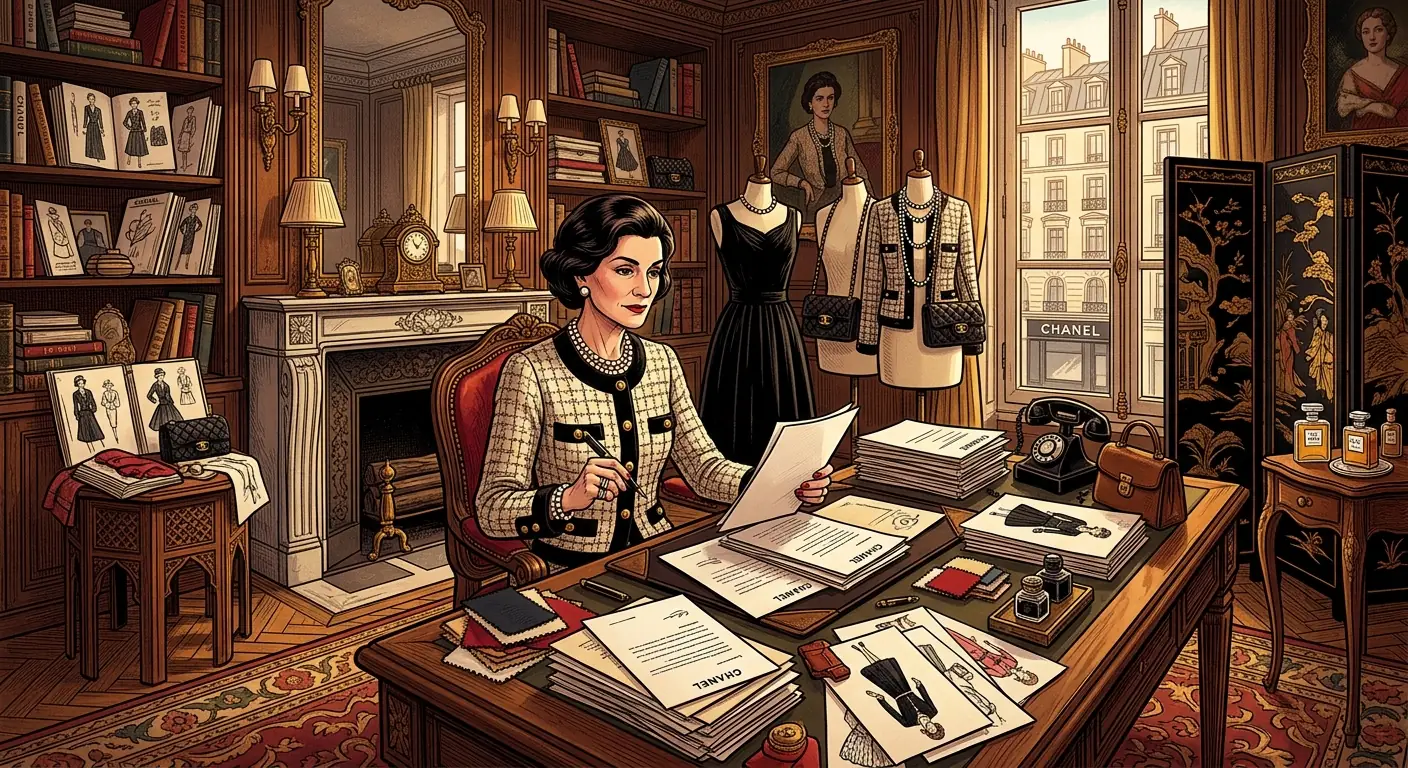
By the early 1920s, Coco Chanel was no longer just a talented designer; she was a shrewd businesswoman with an eye for opportunity that rivaled her flair for fashion. She didn’t just want to dress women; she wanted to brand them. And that meant expanding beyond haute couture into the lucrative world of fragrance. The story of Chanel No. 5, as iconic as the scent itself, is also the story of a pivotal business decision that would define the financial future of her empire – and nearly unravel it.
The Perfume Gambit
When Coco met perfumer Ernest Beaux in 1921, she challenged him to create a scent that smelled like a woman, not a flower garden. The result was Chanel No. 5, a revolutionary aldehyde-rich fragrance that was instantly a hit. But here’s the kicker: Chanel herself didn’t have the capital or the distribution network to produce and market it on a global scale. Enter Théophile Bader, owner of the Galeries Lafayette department store, who introduced her to Pierre Wertheimer, a savvy businessman who owned Bourjois, a major cosmetics and perfume manufacturer.
In 1924, they struck a deal that would become the stuff of legend – and future lawsuits. Chanel formed Parfums Chanel with the Wertheimer brothers, Pierre and Paul. The deal? The Wertheimers received 70% of the company, Bader received 10%, and Coco Chanel, the creative genius whose name was on the bottle, got a mere 10%. On paper, it looked like a raw deal for Coco. She retained control over all creative aspects (perfume formulas, packaging, advertising), but the lion’s share of the profits went to the Wertheimers. Why accept such a lopsided arrangement? Because she wanted to focus on fashion, and the Wertheimers had the manufacturing expertise and global reach to make No. 5 a worldwide phenomenon. It was a trade-off: less control, but massive scale. And boy, did it scale. Chanel No. 5 became, and remains, one of the best-selling fragrances of all time, generating billions of dollars over the decades.
The Wertheimer Wrangle
Coco, however, quickly regretted the deal. She felt cheated, believing her 10% was a pittance compared to the perfume’s stratospheric success. This grievance fueled a lifelong, often bitter, battle with the Wertheimers. She saw them as exploiting her name and talent, even referring to them as “pirates.” The irony, of course, is that without their business acumen and infrastructure, Chanel No. 5 might have remained a niche, Parisian novelty.
“A woman’s perfume with the scent of a woman… the Wertheimers gave me no credit for that.”
She tried various maneuvers to regain control, including attempting to create her own perfume company, “Société des Parfums Chanel,” to compete directly. This failed, and the legal tussles continued for decades. It was a fascinating dynamic: the creative icon and the business titans, locked in a perpetual dance of dependency and resentment. Despite the friction, the partnership endured, proving that sometimes, even strained alliances can yield unimaginable wealth. The Wertheimer family still owns the House of Chanel today, a testament to that initial, incredibly shrewd, if contentious, business decision.
Beyond Couture
Beyond the perfume empire, Chanel also made strategic moves to expand her fashion influence. In the late 1920s and early 1930s, she dabbled in textiles, creating her own fabrics to ensure quality and exclusivity. She even explored a partnership with Hollywood, traveling to Los Angeles in 1931 at the invitation of Samuel Goldwyn to design costumes for MGM stars like Gloria Swanson and Greta Garbo. While her austere designs didn’t always translate well to the silver screen’s glamour, the exposure further solidified her global reputation. She was building a brand, brick by elegant brick, and every calculated risk, every bold decision, whether in design or business, contributed to the colossal empire bearing her name. She wasn’t just a designer; she was a force of nature in tweed and pearls.
⚔️ Chapter 11: High Stakes & Dark Shadows (1930s-1940s)
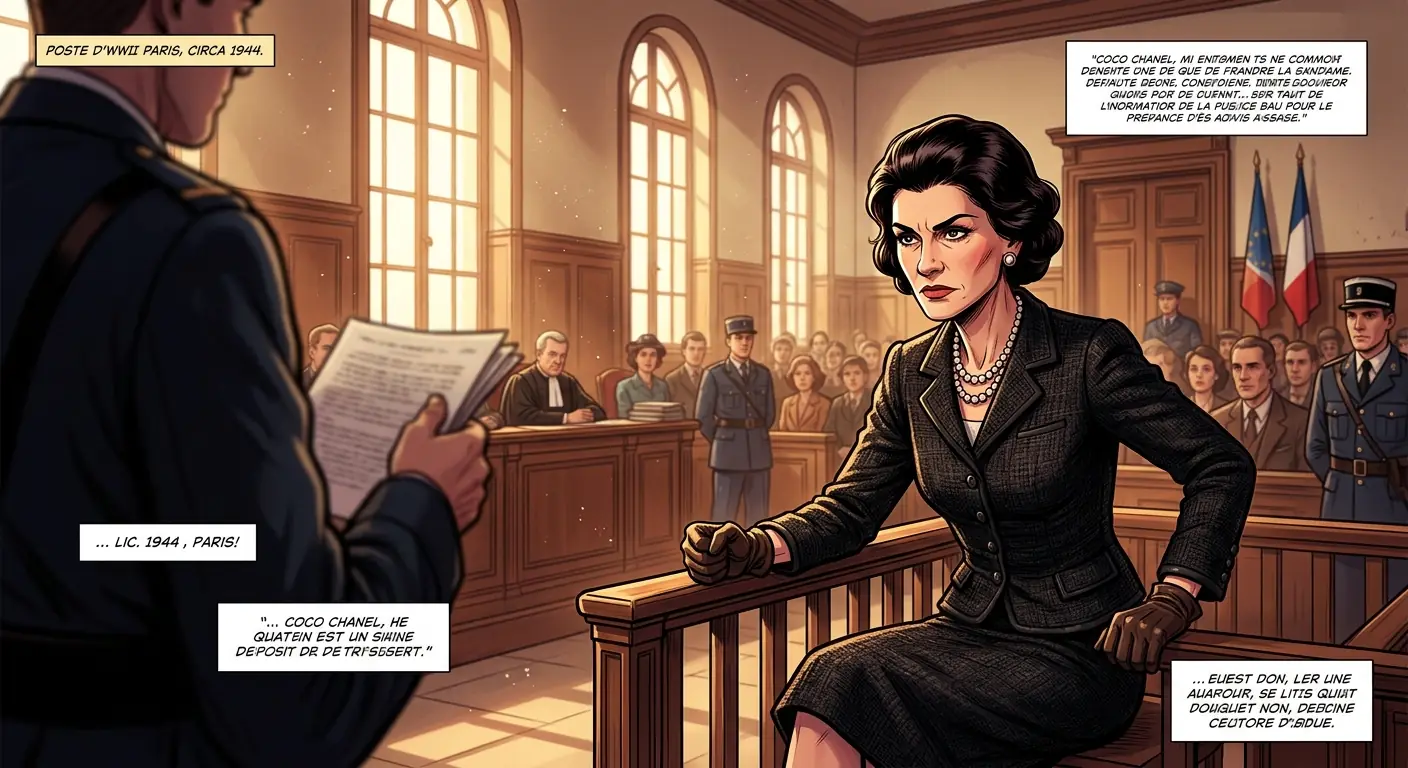
The 1930s and 1940s were tumultuous times for the world, and for Coco Chanel, they were a period marked by intense rivalries, questionable alliances, and deeply controversial decisions that would forever stain her legacy. While her fashion house shuttered during World War II, her personal actions during the conflict revealed a darker, more pragmatic, and deeply troubling side to the woman who liberated women’s fashion.
The Schiaparelli Showdown
Before the war plunged Europe into darkness, Paris fashion was a battleground, and Coco Chanel had a formidable rival: Elsa Schiaparelli. While Chanel championed understated elegance, Schiaparelli was a surrealist provocateur, known for her “shocking pink” and collaborations with artists like Salvador Dalí. Their rivalry was legendary, a clash of aesthetics and personalities. Chanel famously dismissed Schiaparelli as “that Italian artist who makes clothes,” while Schiaparelli reportedly called Chanel “that boring dressmaker.”
“Schiap produces clothes. I create elegance.” – Coco Chanel, likely with a sniff of disdain.
Chanel’s work was about timelessness; Schiaparelli’s was about daring novelty. This rivalry was more than just stylistic; it represented a fundamental disagreement about the role of fashion and art. Chanel, ever the realist, often saw Schiaparelli’s theatrical designs as frivolous. This pre-war tension highlights Chanel’s fiercely competitive nature and her often-ruthless approach to maintaining her position at the top. She saw competitors not just as rivals, but as threats to be neutralized, a trait that would manifest in far more dangerous ways during the occupation.
Wartime Entanglements
When World War II broke out, Chanel closed her fashion house in 1939, famously stating, “This is not a time for fashion.” However, she remained in Paris, residing at the Ritz Hotel, which had become a luxurious haven for German officers. It was here that she began a relationship with Hans Günther von Dincklage, a high-ranking German intelligence officer. This wasn’t merely a romantic liaison; it was a deeply compromising entanglement.
Chanel, code-named “Westminster” (after her former lover, the Duke of Westminster) by the Abwehr (German military intelligence), was allegedly involved in a mission called “Operation Modellhut” (Operation Model Hat) in 1943. The goal was to establish contact with Winston Churchill to broker a separate peace between Britain and Germany. Whether she was a willing collaborator, a naive pawn, or a desperate opportunist trying to protect her interests, her actions were undeniably problematic. The idea that one of France’s greatest cultural icons was actively involved with the enemy during its darkest hour sent shockwaves through post-war society. While never formally charged with collaboration, the accusations lingered like a dark cloud over her name, forcing her into a self-imposed exile in Switzerland after the war.
The Perfume Plot
Perhaps the most cynical of her wartime actions was her attempt to exploit Nazi anti-Semitic laws to seize control of Parfums Chanel from the Wertheimer family. The Wertheimers were Jewish, and under the Vichy regime’s “Aryanization” laws, Jewish-owned businesses could be legally confiscated. In 1941, Chanel wrote to German officials, asserting her “right of priority” to the brand, claiming the Wertheimers were “Jewish parvenus” who had “robbed” her.
“The Wertheimers are Jewish, and I am the owner… It’s time to get back what belongs to me.”
However, the Wertheimers, anticipating such moves, had shrewdly transferred ownership of Parfums Chanel to a non-Jewish French businessman, Félix Amiot, before fleeing to the United States. Amiot then legally transferred it back to them after the war. Chanel’s attempt was foiled, but the intent was clear: she was willing to use the horrific apparatus of Nazi persecution for personal gain. This chilling episode reveals a ruthless, calculating side to Chanel, where personal ambition seemed to trump all moral considerations. It’s a stark reminder that even icons can harbor profoundly flawed, even reprehensible, character traits.
❤️ Chapter 12: The Iron Lady’s Loves & Losses (Throughout Life)
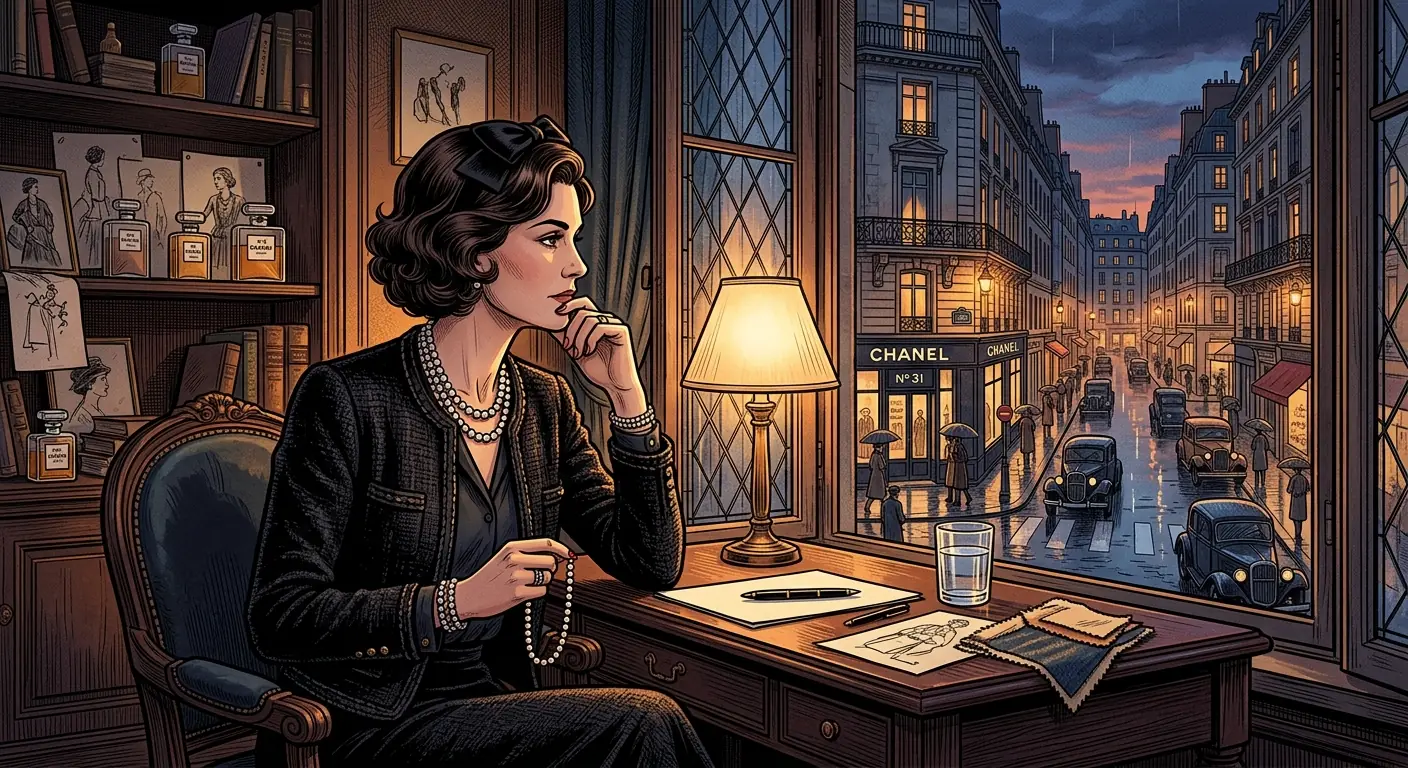
Behind the formidable façade of the fashion icon, the shrewd businesswoman, and the controversial figure, lay a woman whose personal life was a complex tapestry of passionate affairs, strategic alliances, and profound loneliness. Coco Chanel, despite her immense success and constant companionship, famously never married, a choice that defined her independence but also left an indelible mark on her emotional landscape.
The Duke and the Devotion
After the tragic death of Boy Capel, the love of her life, Coco Chanel found solace and companionship in a string of powerful, wealthy men. Perhaps the most significant of these was Hugh Grosvenor, the Duke of Westminster, one of the richest men in the world at the time. Their affair, which began in 1923 and lasted for a decade, was intense and passionate. The Duke showered her with extravagant gifts – diamonds, pearls, even property in London and the French Riviera. He introduced her to a world of aristocratic privilege, yachting, hunting, and the English countryside, all of which subtly influenced her designs, adding a touch of sporty, tweed-clad elegance to her repertoire.
“There have been several dukes of Westminster. There is only one Chanel.”
The Duke proposed marriage multiple times. Each time, Chanel refused. Her famous retort, “There have been several dukes of Westminster. There is only one Chanel,” perfectly encapsulates her fiercely independent spirit. She understood that marriage, even to a duke, would mean relinquishing a degree of control over her burgeoning empire and her own life. She valued her freedom and her identity as “Chanel” above all else, a decision that was both empowering and, perhaps, isolating. She built her world on her own terms, unwilling to be defined as merely a duke’s wife.
Unmarried, Unbound
Chanel’s refusal to marry was a radical statement for a woman of her era. In a society where a woman’s status was often tied to her husband, Chanel carved out a path where her identity was solely her own creation. She surrounded herself with artists, writers, and powerful figures, engaging in relationships that were often intellectual and professional as much as they were romantic. Her lovers, from the Russian Grand Duke Dmitri Pavlovich (who introduced her to Ernest Beaux, the perfumer of No. 5) to the poet Pierre Reverdy, served as muses, confidantes, and connections to influential circles.
These relationships were often intense but ultimately fleeting. Chanel was, in many ways, a solitary figure. Her work was her true passion, her truest companion. She funneled her emotional energy and drive into her creations, using fashion as her ultimate form of self-expression and control. This choice, while empowering, also meant she navigated life’s challenges largely on her own, without the traditional comfort of a marital partner. Her independence was her armor, but it also kept her at a certain distance from true intimacy.
The Price of Solitude
Despite her glittering success and the procession of influential men in her life, there’s a pervasive sense of loneliness that often surfaces in accounts of Chanel’s later years. Her drive for control, her cutting wit, and her often-abrasive personality kept many at arm’s length. She built an empire, but perhaps at the cost of genuine emotional connection. Her relationships, while passionate, never seemed to fulfill a deeper need for lasting partnership.
In her old age, she remained at the Ritz, a creature of habit, often dining alone or with a small, trusted circle. The woman who dressed millions of women, who understood their desires for freedom and elegance, remained, in many ways, an enigma, even to herself. Her life was a testament to ambition and self-creation, but also a poignant illustration of the sacrifices demanded by such singular focus. The orphan who built an empire, forever chasing the elusive dream of belonging, ultimately found her truest, most enduring companion in the legend she meticulously crafted: Coco Chanel herself.
👑 Chapter 13: Enduring Iconoclast (Post-Comeback & Beyond)
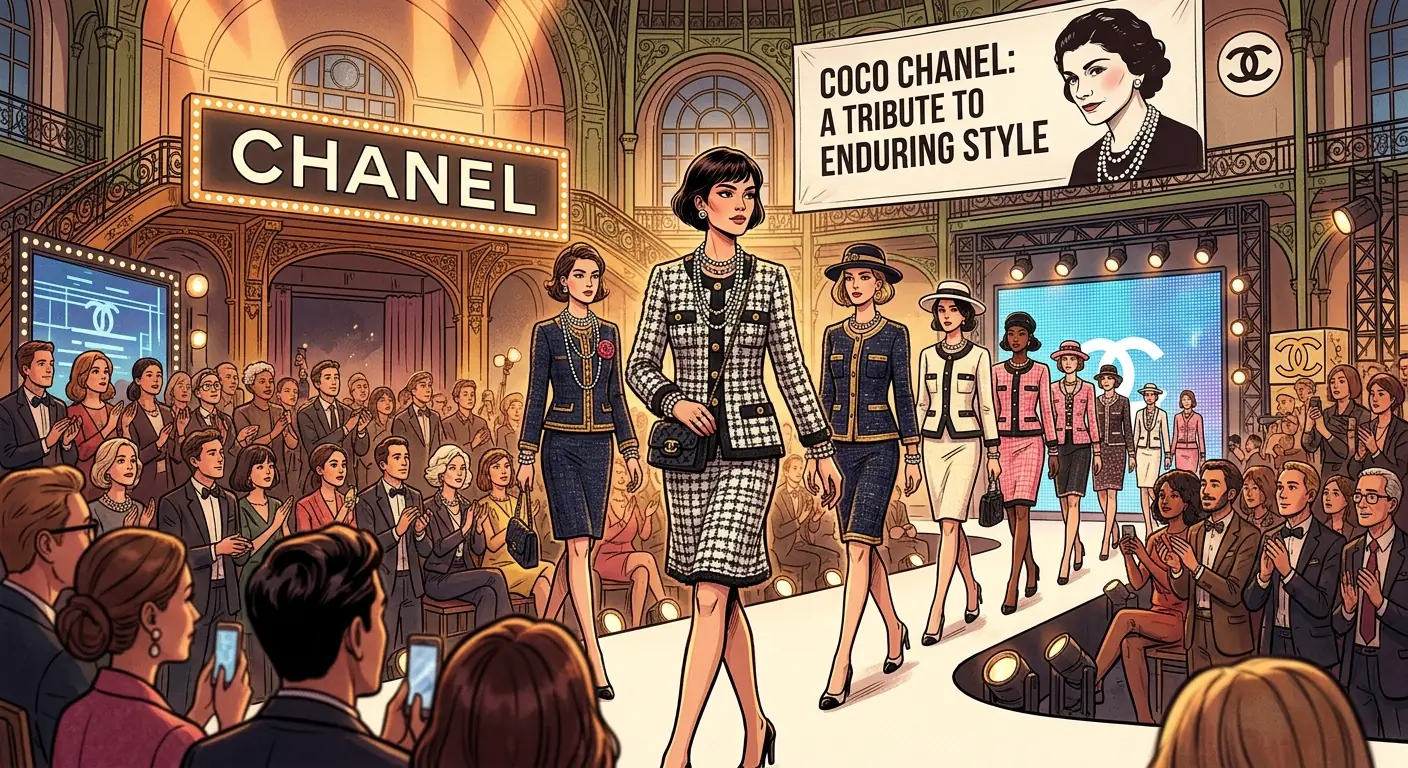
Coco Chanel’s death in 1971, at the grand old age of 87, didn’t mark the end of her empire; it merely transitioned it into a new era. The woman who had fiercely controlled every aspect of her brand, down to the last button, left behind a legacy so powerful that it continues to shape fashion and luxury today. Her final years were characterized by a continued, almost militant, dedication to her craft and a sharp critique of anything she deemed “bad taste.”
The Grand Dame’s Dictums
Even in her 80s, Coco Chanel remained a formidable presence, a tireless worker who would descend her famous mirrored staircase at 31 Rue Cambon to oversee fittings, often with a pin in her mouth and a critical eye. She was notorious for her sharp tongue, frequently dismissing contemporary fashion trends with disdain. She hated miniskirts (“They are terrible. Legs are ugly!”), believed blue jeans were vulgar, and scoffed at designers who prioritized novelty over wearability.
“Fashion fades, only style remains.”
Her pronouncements were often absolute, reflecting her unwavering belief in her own aesthetic principles. She continued to refine her iconic tweed suits, the two-tone shoes, the quilted bags, and of course, Chanel No. 5. Her focus remained on timelessness, comfort, and the liberation of women through clothing. She was an iconoclast to the end, refusing to compromise her vision for fleeting trends. This relentless commitment to her core philosophy ensured that the House of Chanel remained anchored in her distinct style, even as other fashion houses struggled to find their footing after their founders departed. She was, in essence, her own most enduring design.
Karl’s Kingdom
After Coco’s death, the House of Chanel faced the daunting challenge of existing without its irreplaceable founder. The brand struggled somewhat through the 1970s, with various designers trying to capture her essence. The true revival came in 1983 when the Wertheimer family (who still owned the brand) made a stroke of genius decision: they appointed Karl Lagerfeld as creative director.
Lagerfeld, a flamboyant German designer, was an unexpected choice. He revered Chanel’s legacy but wasn’t afraid to irreverently reinterpret it. He famously said, “What I do, Coco would have hated. The idea is to take something she loved and twist it.” He injected new life into the brand, updating the tweed suits with modern silhouettes, introducing new accessories, and creating spectacular runway shows that brought a theatricality Chanel herself might have deemed excessive, but which captivated a new generation. Lagerfeld’s genius lay in his ability to constantly evolve Chanel’s codes while maintaining their unmistakable identity. He kept the spirit of Coco alive by continually reinventing her, proving that a founder’s vision can be both preserved and pushed forward. Under his nearly 36-year tenure, Chanel became arguably the most successful luxury brand in the world, generating estimated annual revenues of over $12 billion by 2018.
The Timeless Touch
Today, under the creative direction of Virginie Viard (Lagerfeld’s former right-hand), Chanel continues to thrive, a testament to the enduring power of Gabrielle “Coco” Chanel’s original vision. The brand remains privately owned by the Wertheimer family, a rarity in the luxury sector, allowing it to maintain a fiercely independent strategy. Her designs—the little black dress, the tweed suit, the quilted bag, the two-tone shoe—are not merely vintage pieces; they are foundational elements of the modern woman’s wardrobe, constantly reinterpreted and celebrated.
The legacy of Coco Chanel is multifaceted: she was a revolutionary who liberated women from corsets, a shrewd businesswoman who built a global empire, and a complex woman whose personal choices were often controversial. Yet, her impact on fashion, culture, and female empowerment is undeniable. She taught women to dress for themselves, to prioritize comfort and understated elegance, and to find strength in simplicity. Her myth, carefully cultivated and fiercely protected, continues to inspire, reminding us that true style is eternal, and true vision, even with its shadows, can shape the world.
💡 Key Insights
- ▸ Chanel's genius was understanding that fashion is not about decoration — it's about liberation. She replaced corsets with comfort, ornament with simplicity, and constraint with movement. By freeing women's bodies, she captured their loyalty and their wallets for a century. The lesson: the most powerful brands don't sell products — they sell freedom.
- ▸ Chanel's willingness to fabricate her own origin story — hiding her poverty, her orphanage years, her dependence on wealthy lovers — was not just vanity. It was brand architecture. She understood that a luxury brand requires a luxury mythology. The truth of her past would have undermined the aspiration of her brand. She chose the brand over the truth, and the brand won.