Leonard Lauder: The Heir Who Turned a Cosmetics House Into a Global Power Brand
Leonard Lauder inherited a famous beauty name, but his real achievement was scaling Estée Lauder from a family prestige label into a global brand machine with category discipline, acquisitions, and retail psychology.
View all stories about this mogul
Leonard Lauder did not build Estée Lauder from zero, but he did something that can be just as difficult: he took an intimate family beauty business and turned it into a global prestige machine without stripping away the illusion of intimacy. That is a rarer skill than people admit. Plenty of heirs preserve. Plenty of operators scale. Very few can do both while keeping the brand mythology intact.
That is why Leonard Lauder belongs in Legacy. His story is not one of founder myth in the purest sense. It is a story about second-generation power used exceptionally well — with discipline, patience, and a deep understanding that beauty is sold through aspiration long before it is sold through chemistry.
Chapter 1: He Inherited a Name, Not a Finished Empire
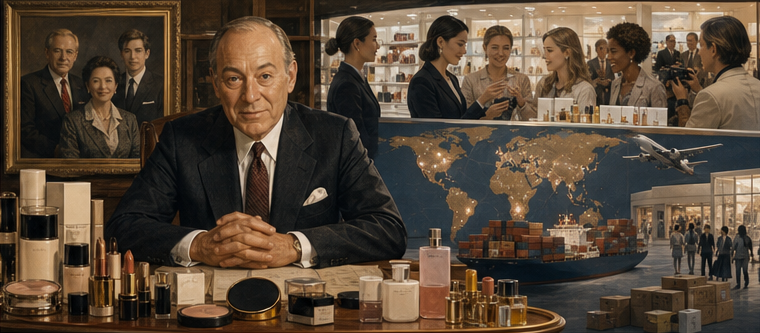
When people hear the Lauder name, they often flatten the story into dynastic inevitability. That misses the point. Estée Lauder was already respected when Leonard entered the business, but prestige beauty was not yet a fully globalized corporate architecture. It was still a field in which brand, retail, personal selling, and category expansion needed much more deliberate scaling.
Leonard Lauder joined the family company in the 1950s and spent decades inside the work rather than simply above it. That matters. He did not operate like a decorative heir placed atop a healthy cash machine. He learned the mechanics of distribution, merchandising, sales psychology, and the importance of retail theater.
He inherited a strong platform. He still had to decide what kind of institution it would become.
Chapter 2: Prestige Beauty Is Really a Distribution Game in Disguise
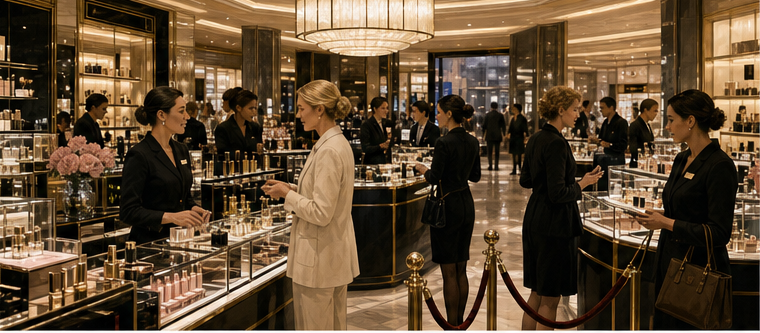
The glamorous version of cosmetics history focuses on product, packaging, and celebrity. The harder truth is that beauty fortunes are often built on placement, repetition, and channel control. Leonard understood this better than most.
Prestige beauty depends on trust signals. Consumers do not buy only what a cream does. They buy what a counter, a department store, a consultant, and a reputation say about who they could become. Leonard grasped that if you could control how the brand appeared in stores, how it trained staff, how it was replenished, and how it expanded into adjacent categories, you could compound a customer’s lifetime value without making the brand feel cheap.
That is operational sophistication hidden beneath a luxury surface.
Chapter 3: He Helped Turn a Founder-Led Aesthetic Into a Repeatable Corporate System
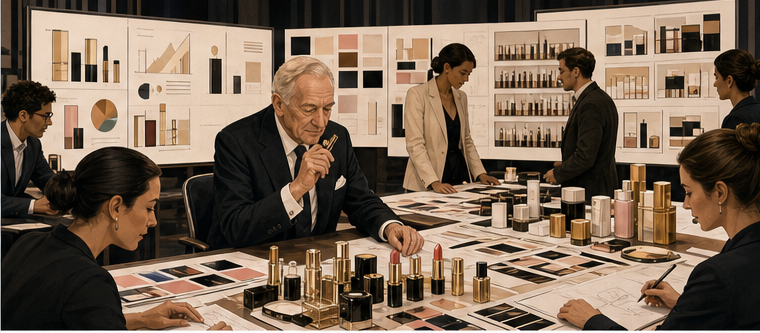
Family businesses often stumble when the founder’s intuition cannot be translated into process. Estée Lauder herself was a powerful merchandising and product force, but intuition alone does not create a multinational operating system.
Leonard’s gift was institutionalization. He helped create a company that could preserve brand standards while scaling internationally, adding professional management, and entering more categories. The move from founder-driven charisma to durable corporate capability is where many beauty houses either lose their soul or fail to grow.
He navigated that transition better than most heirs ever do. Estée Lauder Companies became not just a house for one name, but a platform capable of supporting multiple premium identities.
Chapter 4: The Lipstick Index Was More Than a Cute Soundbite
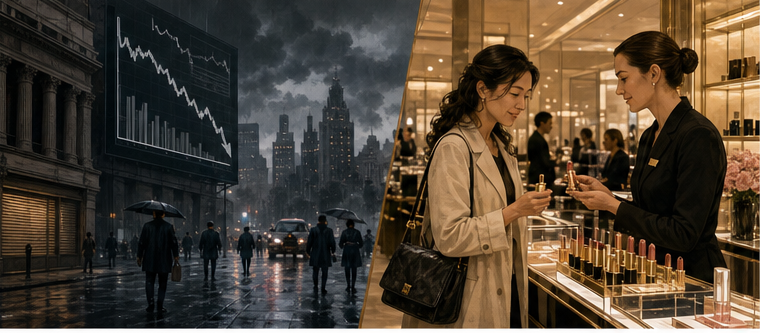
Leonard Lauder is often associated with the “lipstick index,” the idea that in harder economic times consumers may still indulge in smaller luxuries like lipstick. Whether people treat it as a perfect law or not is almost beside the point. What matters is that the idea captured something central about his worldview.
He understood that beauty was resilient because it sat at the intersection of emotion, routine, and affordable aspiration. In downturns, consumers might postpone large expenditures, but they often still want a manageable upgrade to identity. Beauty can serve that role.
That framing was strategically useful because it helped position prestige cosmetics not as frivolous excess, but as a category with unusual psychological durability.
Chapter 5: Brand Architecture Was His Real Power Move
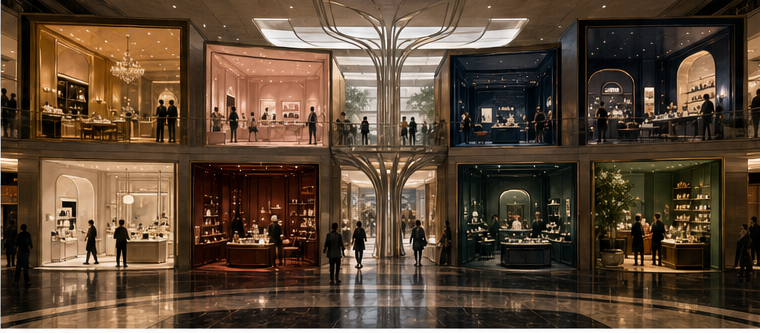
One of Leonard Lauder’s most important contributions was helping shape Estée Lauder Companies into a portfolio business. This meant understanding that not every beauty customer wanted the same story, price point, or aesthetic code.
A single flagship brand can be powerful, but a house of brands is stronger when managed well. Different labels can address different demographics, styles, and channels while sharing back-end capabilities in manufacturing, international distribution, marketing infrastructure, and retail relationships.
This portfolio mindset is how prestige companies become more than brands. They become ecosystems.
Chapter 6: Acquisitions Expanded the Empire Without Diluting the Thesis

Acquisitions in consumer businesses often fail because executives buy trendiness while underestimating integration. Leonard Lauder had a better instinct for what belonged under the broader prestige umbrella.
Over time, Estée Lauder Companies expanded through acquisitions and brand additions that widened its reach while preserving the underlying model: premium identity, disciplined distribution, and strong narrative control. The company did not need every label to look identical. It needed each label to feel culturally specific while still benefiting from shared corporate horsepower.
That is a subtle form of empire-building. It is not about imposing sameness. It is about extracting scale from difference.
Chapter 7: Global Expansion Worked Because the Product Traveled With Status

Many consumer companies discover too late that what works domestically does not travel well. Prestige beauty had a better chance than most because aspiration is legible across borders, but it still required adaptation.
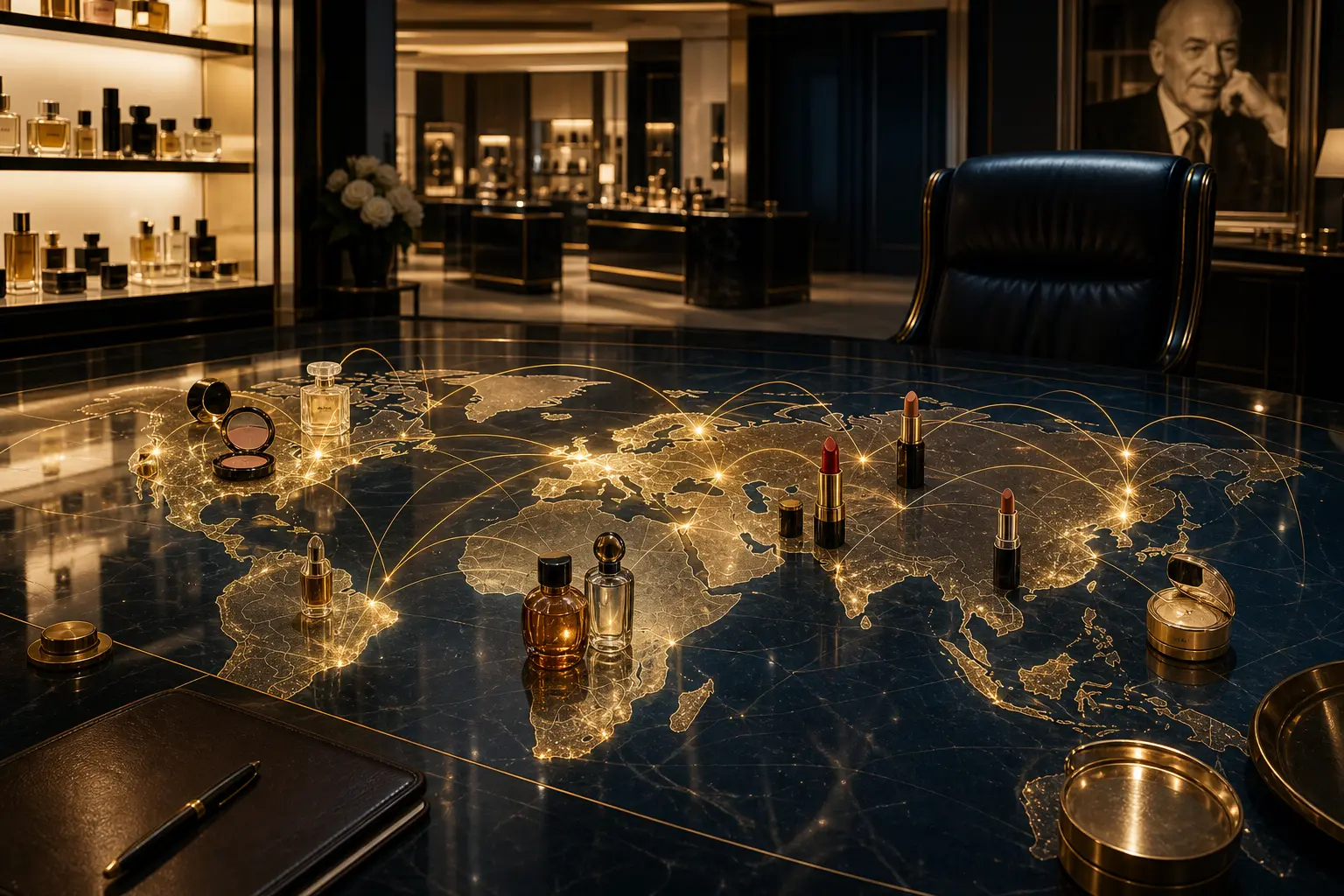
Leonard Lauder’s era saw the company push globally with more seriousness and structure. Department store partnerships, travel retail, brand localization, and international prestige positioning all mattered. Luxury-adjacent categories reward companies that can appear simultaneously universal and exclusive.
The company succeeded not by making beauty generic, but by exporting a polished version of desirability that different markets could still personalize.
Chapter 8: The Family Stayed Powerful While the Company Became Corporate

This balancing act is harder than it looks. Family-controlled firms can become insular, while professionally managed firms can lose strategic patience. Leonard Lauder helped maintain family influence without trapping the company in pure family-business limitations.
That hybrid mattered. The company could think long term because it was not governed only by quarterly panic, but it could also professionalize enough to compete globally. In many dynastic companies, control becomes a drag. In the Lauder case, control often functioned more like ballast.
That is part of Leonard’s legacy: proving that family stewardship can coexist with institutional scale when the governance culture is disciplined.
Chapter 9: He Sold Aspiration With Unusual Operational Seriousness
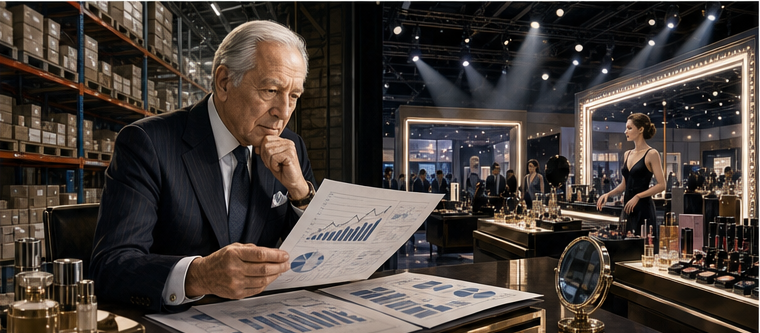
What makes Leonard Lauder interesting as a mogul is that his surface business looks soft while his underlying system was extremely hard-edged. Cosmetics can invite lazy analysis because outsiders see glamour first. They miss the inventory management, retail economics, pricing power, and obsessive brand sequencing underneath.
Leonard did not merely preserve elegance. He operationalized it. He helped build a company where prestige could be managed at scale without losing the feeling of selectivity. That is one of the great consumer-business tricks.
The best moguls often make difficult systems look effortless. Leonard Lauder belongs in that category.
Chapter 10: His Legacy Is a Playbook for Scaled Taste
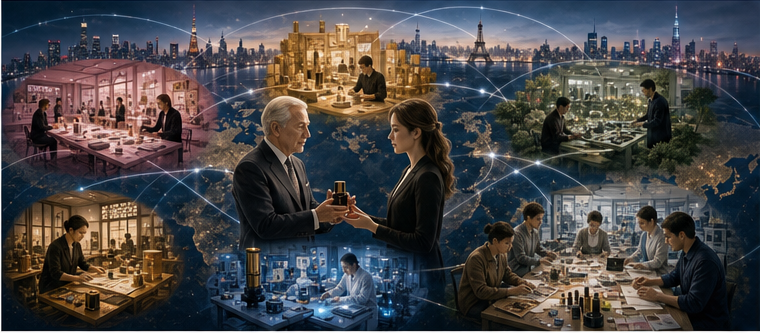
Leonard Lauder’s real achievement was showing that taste businesses do not need to remain small to remain powerful. With the right structure, they can expand globally, hold pricing power, absorb acquisitions, and keep generating desire across generations.
That is why his story belongs here. He was not the loudest mogul, not the most theatrical, and not the most culturally chaotic. He was something more durable: an institutionalizer of aspiration.
He turned a famous beauty house into a modern prestige conglomerate while preserving the emotional code that made customers care in the first place. That is not flashy. It is formidable.
💡 Key Insights
- ▸ Leonard Lauder's edge was not inventing glamour from scratch. It was systematizing prestige beauty so that brand aura, retail placement, and global distribution reinforced one another.
- ▸ He treated beauty less like a simple product business and more like a portfolio of identities, where each label needed its own mythology but shared the same operating muscle.
- ▸ His legacy comes from proving that consumer luxury compounds fastest when taste, discipline, and acquisition timing are all managed like strategy rather than instinct.