Brian Niccol: The Turnaround Operator Who Made Chipotle Cool Again
Brian Niccol did not invent Chipotle, but he rebuilt its momentum by turning a damaged fast-casual brand into a cleaner, sharper, more digitally fluent growth machine.
View all stories about this mogul
Brian Niccol did not rescue Chipotle with one slogan, one menu tweak, or one quarter of good luck. He rebuilt the chain by making it feel modern, operable, and desirable again at the same time. That combination is much rarer than it sounds. Plenty of executives can cut costs. Plenty can juice marketing. Fewer can restore momentum to a damaged consumer brand without hollowing it out.
That is why Niccol belongs in Rise. His reputation was forged not in founding mythology but in high-pressure operating work. He took over a company whose public confidence had been badly shaken and helped turn it back into a growth story people wanted to believe in.
Chapter 1: He Arrived at Chipotle When the Glow Was Gone
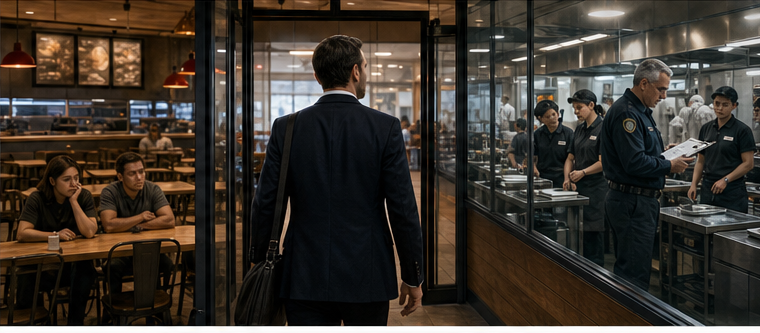
Chipotle did not need Brian Niccol at the moment of effortless ascent. It needed him after the brand had already lost altitude. Food-safety crises had damaged trust, investor patience had thinned, and the company no longer felt like the obvious premium growth machine it once was.
Reuters captured that tone in 2018 when investors described low-hanging fruit for the incoming CEO. That phrase is useful because it sounds easy while actually implying the opposite. Low-hanging fruit exists only because execution had become visibly suboptimal. The easier fixes had not been made. The brand was no longer getting the benefit of the doubt.
Niccol was stepping into a business that still had cultural equity, but its operating rhythm had fractured.
Chapter 2: His Advantage Was Pattern Recognition From Taco Bell
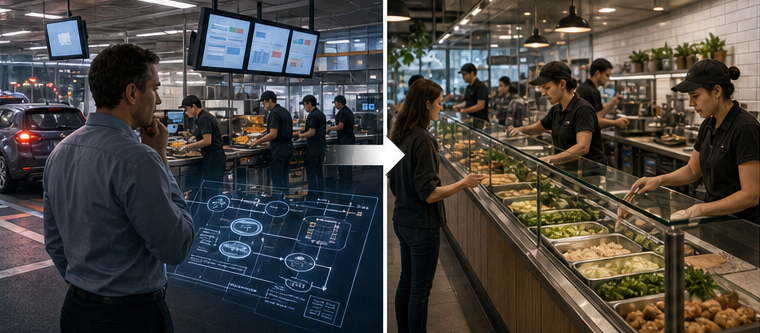
Chipotle’s 2018 announcement highlighted Niccol’s prior success at Taco Bell, where he had been associated with a strong business turnaround. That background mattered because it gave him a deep feel for how restaurant brands can regain energy without losing commercial discipline.
He understood that restaurants are not revived only through menu engineering. They are revived through a coordinated mix of brand clarity, operational consistency, convenience, and system-wide confidence. If even one of those remains weak, the story tends to stall.
Niccol did not come in as a chef-visionary figure. He came in as a modern restaurant operator who understood how consumer behavior, technology, and throughput connect.
Chapter 3: Turnarounds Need More Than Safety Language
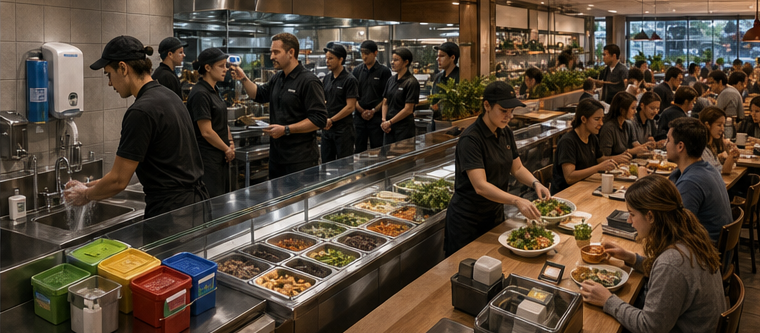
After a trust shock, companies often over-index on reassurance. That is understandable, but insufficient. Customers do not want to live forever inside a crisis narrative. They want evidence that the brand has become worth choosing again.
Niccol’s real challenge was therefore twofold. First, keep the company credible on operational fundamentals. Second, make the customer proposition feel alive rather than defensive. A chain cannot run forever on apology energy.
Chipotle needed to become legible again as a place of convenience, flavor, and habit, not merely a company trying to prove it had learned lessons.
Chapter 4: Digital Was a Growth Engine, Not a Side Feature
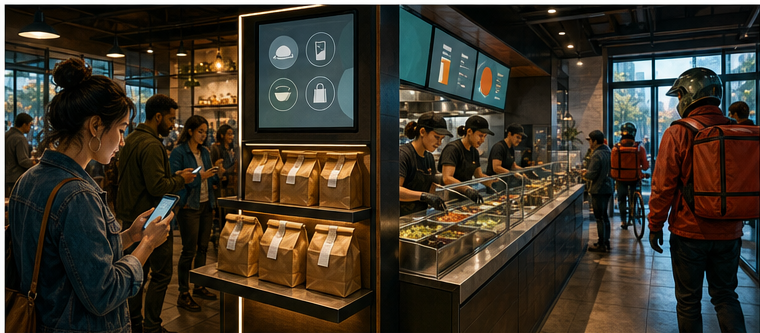
One of Niccol’s most important moves was understanding that digital ordering was not some adjacent enhancement. It was central to the modern restaurant experience. Mobile ordering, delivery, pickup flows, and digital convenience changed the shape of how consumers interacted with the brand.
This mattered because turnaround narratives often fail when executives cling to the old format. Niccol instead helped shift Chipotle toward a more digitally fluent operating model. That made the business easier to use and easier to scale.
A restaurant brand that feels inconvenient starts losing relevance even if the food is still respected. Niccol made convenience part of the brand’s comeback logic.
Chapter 5: Brand Coolness Came Back Through Execution, Not Hype Alone
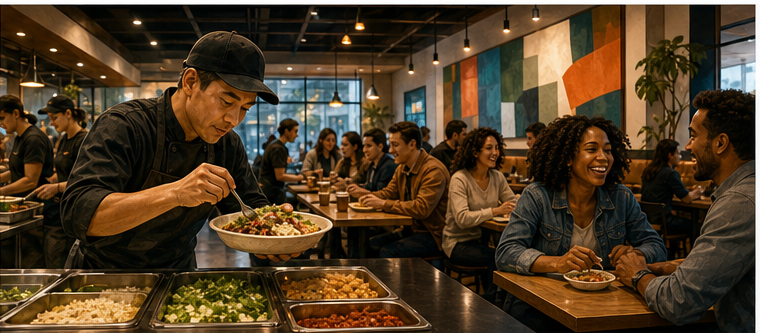
People sometimes talk about restaurant turnarounds as if coolness can be manufactured by ad campaigns. That is backwards. Sustainable coolness usually returns only when the underlying experience becomes reliably good enough to support renewed attention.
Niccol understood this. Under his leadership, Chipotle became easier to order from, more disciplined operationally, and more coherent in how it presented itself. Marketing can amplify that kind of improvement. It cannot substitute for it for long.
This is why his rise mattered. He did not merely make the company louder. He made it cleaner.
Chapter 6: Throughput Is Strategy in Restaurant Clothing
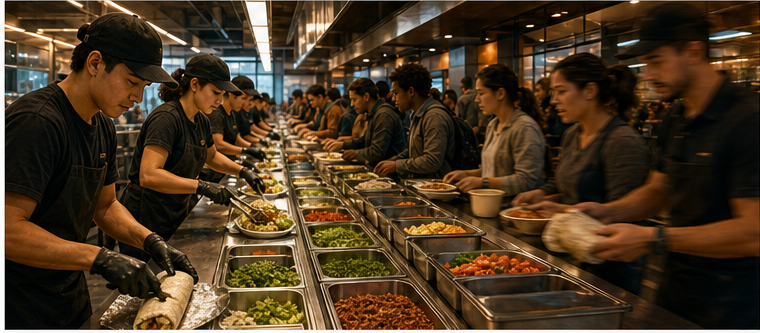
In restaurants, strategy often hides in very unglamorous details. How quickly can customers be served? How many orders can be handled without breaking quality? How efficiently does digital demand feed into kitchen reality? These questions sound operational because they are. They are also strategic.
Niccol’s Chipotle was increasingly associated with sharper focus on throughput, store performance, and repeatable execution. That is not flashy, but it is exactly how restaurant empires regain trust with investors and customers alike.
The best consumer operators understand that a brand is only as strong as its busiest hour.
Chapter 7: Expansion Worked Because the System Felt Stronger

Growth through new locations is dangerous when the operating core remains unstable. Open more stores too early, and you scale your weaknesses. Do it after discipline returns, and expansion becomes proof of health.
Niccol benefited from leading Chipotle during a period when the business increasingly looked like it had regained strategic footing. New formats, digital integration, and tighter execution gave expansion a different texture. It no longer felt like wishful multiple-chasing. It felt more like system confidence.
That is how turnarounds move from narrative to structure.
Chapter 8: His Exit Strengthened the Legend
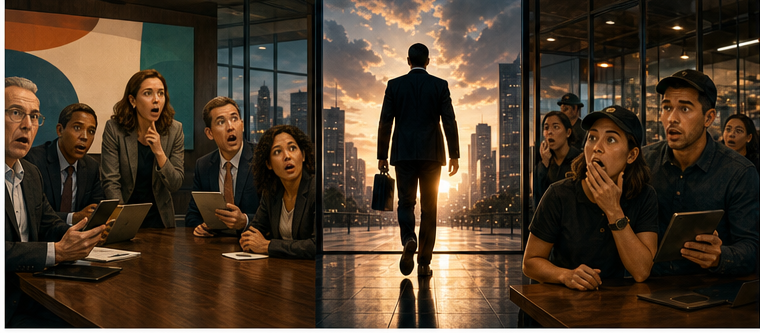
One reason Niccol’s rise looks durable is that his later move to Starbucks was framed by Reuters as the recruitment of an executive known for reviving Chipotle. In other words, the market had already decided what his reputation meant.
That is powerful. A turnaround is one thing. Becoming the kind of operator other major companies poach to run their own repair cycle is something else. It means your skill has become portable in investors’ minds.
Niccol stopped being only the CEO of a recovering burrito chain. He became a recognized turnaround archetype.
Chapter 9: He Won by Making Strategy Operationally Real
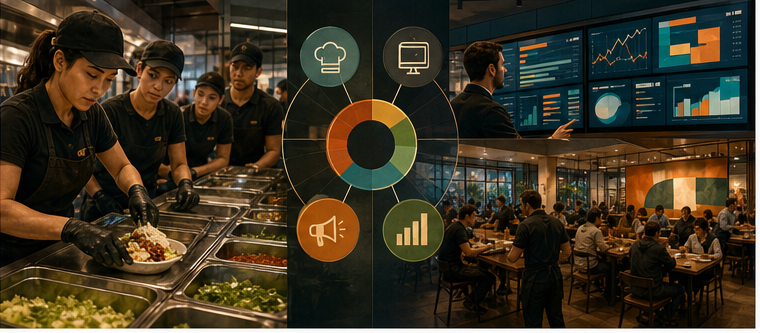
What separates strong operators from weaker ones is often their ability to turn vague strategic themes into daily repeatable behavior. “Improve the brand” is vague. “Make ordering easier, stores faster, and customer trust more habitual” is concrete.
Niccol’s success came from operationalizing relevance. He did not rely on one miracle menu item or financial gimmick. He stacked a series of practical improvements until the business started to look obviously better run.
That is not romantic founder energy. It is disciplined executive leverage.
Chapter 10: Brian Niccol’s Rise Is a Lesson in Modern Consumer Recovery
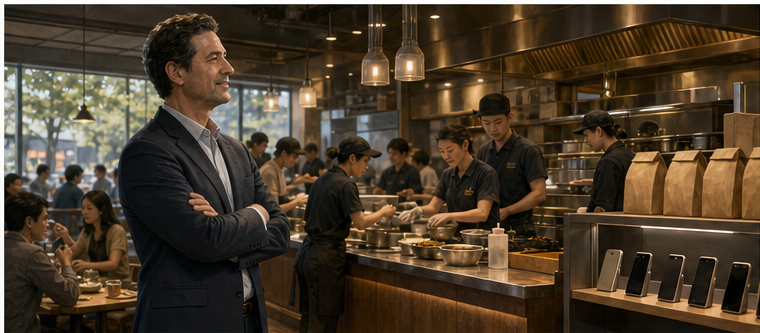
Brian Niccol matters because he showed how a damaged consumer company can regain altitude without pretending the old playbook still works. He understood that modern restaurant power depends on the fusion of operations, digital convenience, and brand vitality.
That is why his story belongs here. He did not invent Chipotle’s cultural appeal, but he restored its growth credibility and made it feel current again. In consumer business, that is a serious form of value creation.
Niccol’s rise was not about theatrical reinvention. It was about making the machine hum again — and then making the market believe the hum would last.
💡 Key Insights
- ▸ Brian Niccol's turnaround skill was not magic branding alone. It was the combination of sharper operations, cleaner positioning, and digital convenience that made growth feel reliable again.
- ▸ He understood that restoring trust after a crisis is not only about safety promises. It is about giving customers repeated reasons to come back under a brand that feels simpler and better run.
- ▸ Niccol rose by proving that in modern restaurants, operational discipline and consumer relevance are inseparable.
Sources
- Chipotle — Brian Niccol named Chief Executive Officer ↗
- Reuters — Chipotle investors see low-hanging fruit for new CEO ↗
- Reuters — Starbucks taps Chipotle's Niccol as CEO in surprise move ↗
- Chipotle Annual Report 2023 ↗
- National Restaurant News — Brian Niccol's resume illustrates why he was chosen to lead Starbucks' turnaround ↗